


-

If you’ve been using Microsoft Authenticator to store your passwords, it’s time to act. On August 1st, Microsoft will permanently delete all saved passwords and payment data from the app—ending its use as a credential vault. The app will continue to support two-factor authentication (2FA) and passkeys. But if you’ve relied on it for autofill…
-
Families of inmates at the Everglades Correctional Institution (ECI) in Florida are outraged after a serious data breach exposed their private contact details to inmates. The leak, confirmed by Florida Phoenix, happened on July 24th, 2025, and has triggered fears of extortion, threats, and harassment. According to the report, a staff member at the Level…
-
Apple may be preparing for a serious leap forward in artificial intelligence. In a recent earnings call, CEO Tim Cook revealed that the company is growing its investments in AI, hinting at new infrastructure, acquisitions, and platform-wide integration. Apple’s third-quarter earnings beat expectations with $94 billion in revenue—a 10% rise from last year. But financial…
-

Millions of cryptocurrency users are at risk as a new malware campaign uses malicious ads to trick them into downloading fake trading apps. According to Check Point Research (CPR), the attack—known as JSCEAL—has already reached millions of potential victims in the EU and beyond. The malware campaign began in March 2024 and is still active…
-

The UK Ministry of Defence is tapping into esports to level up its military’s digital edge. In partnership with the British Esports Federation, the ministry has announced the International Defence Esports Games (IDEG)—a groundbreaking tournament designed to strengthen troops’ cyber skills and modern combat readiness. Scheduled for late 2026, the IDEG will first welcome service…
-

A new investigation has uncovered that companies tied to China’s state-backed hacking group Hafnium have filed over a dozen patents for spyware and surveillance tools. These Hafnium spyware patents expose a deeper, more structured cyber espionage network than previously understood. The findings come from cybersecurity firm SentinelOne, following a 2025 indictment by the U.S. Department…
-
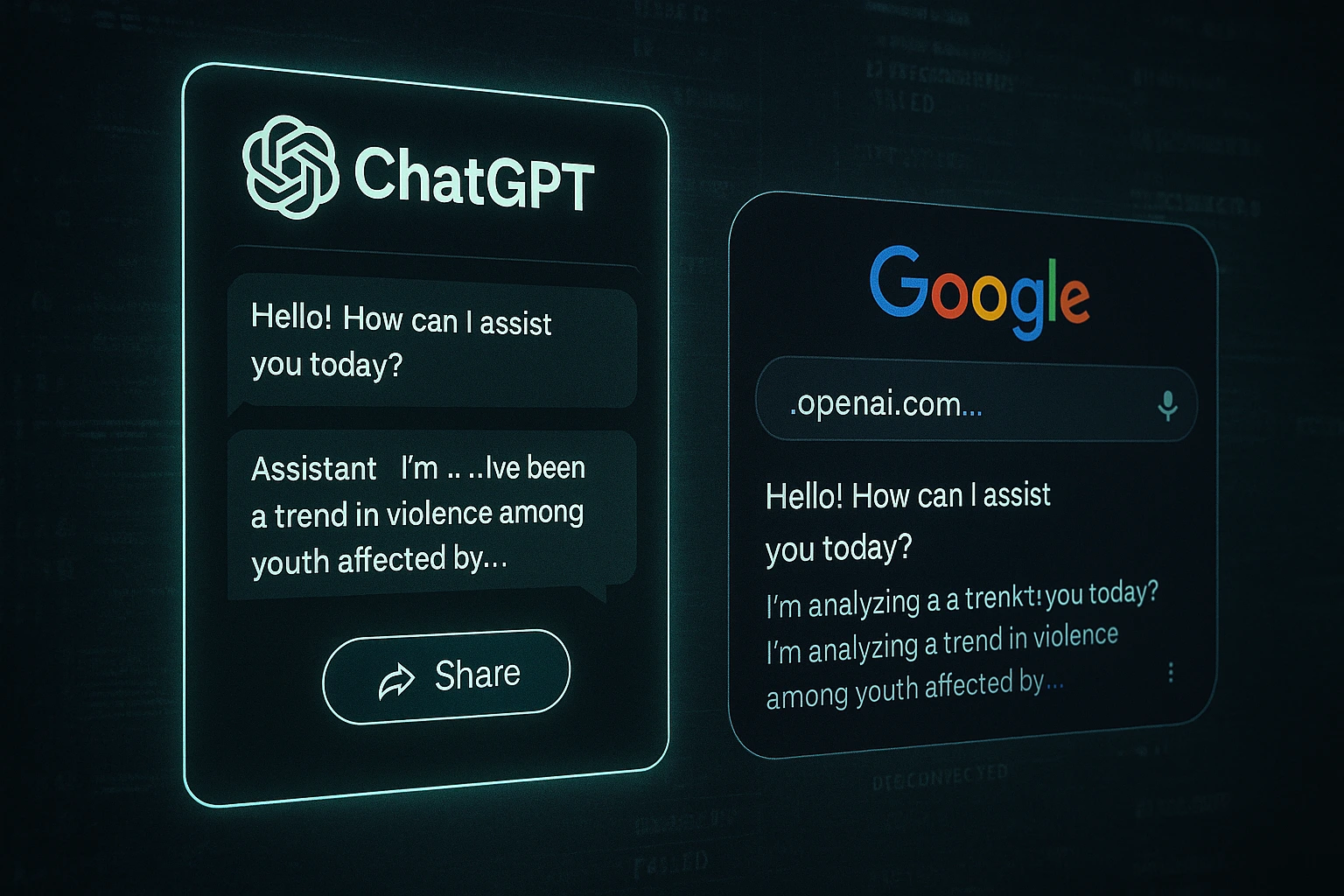
ChatGPT shared conversations are now surfacing in Google search results, shocking users who thought their AI chats were private. From job applications with full names to disturbing personal stories, thousands of shared ChatGPT links have become publicly discoverable online. OpenAI’s “Share” feature was meant to help users collaborate by generating a public link to a…
-

The developers behind Samourai Wallet have entered a guilty plea in a high-profile crypto privacy case. Keonne Rodriguez and William Lonergan Hill, co-founders of the Bitcoin privacy app, admitted to operating an unlicensed money transmitting business in a deal that avoids harsher charges. Their plea, reported by multiple outlets, drops the initial charge of money…
-

A new study on AI-generated code security has revealed a serious problem: nearly half of all code generated by large language models (LLMs) contains known security vulnerabilities. Researchers at Veracode warn that while the code often works, it’s rarely safe. The team tested 100 popular LLMs by assigning 80 programming tasks across four languages: Java,…
-

The Tea app data breach has triggered legal action after 72,000 images and personal user data were exposed online. Two lawsuits have been filed against the female-only dating and vetting platform, accusing the company of failing to protect sensitive information and violating user trust. The first lawsuit, filed by plaintiff Griselda Reyes, claims that Tea…