


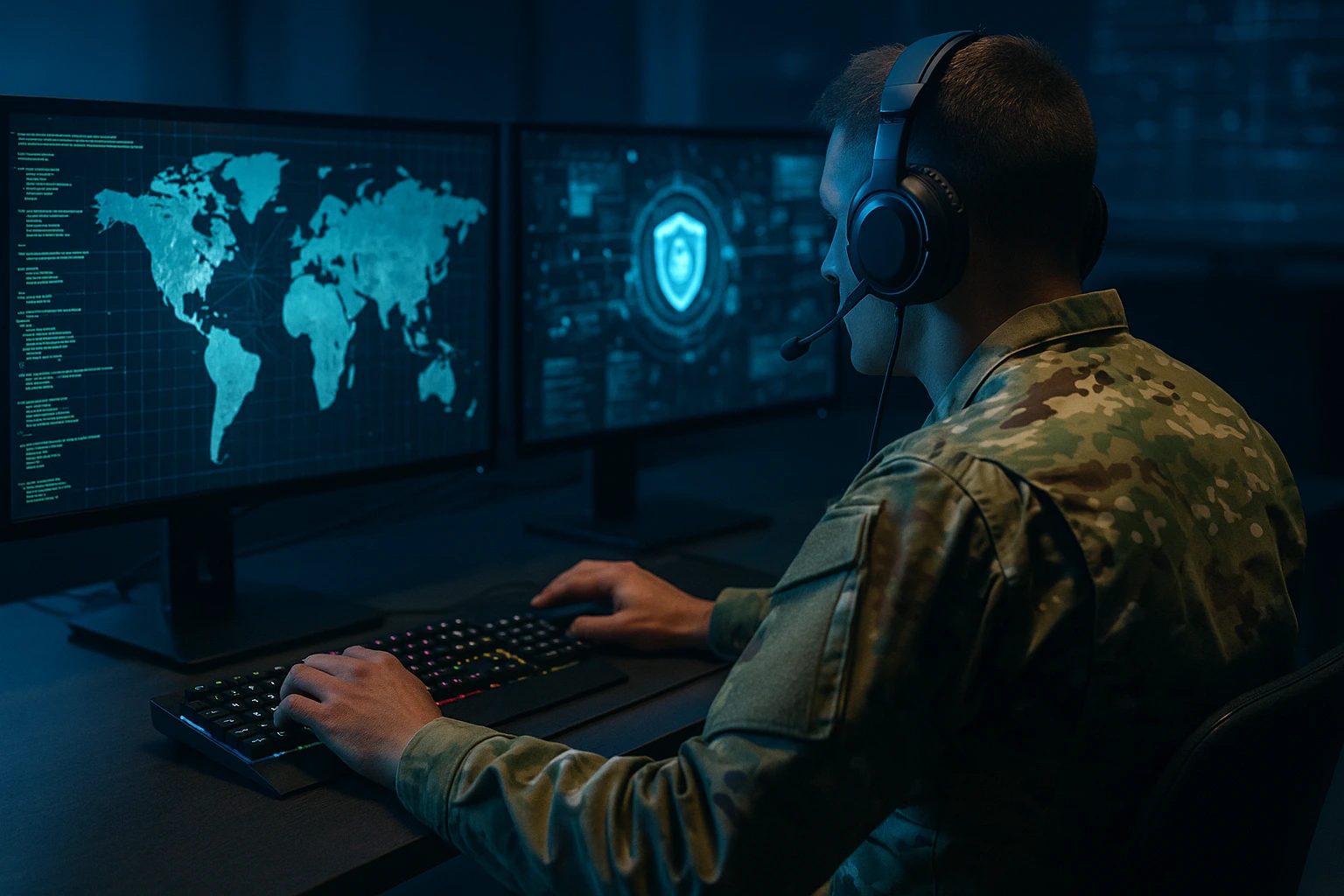
The UK Ministry of Defence is tapping into esports to level up its military’s digital edge. In partnership with the British Esports Federation, the ministry has announced the International Defence Esports Games (IDEG)—a groundbreaking tournament designed to strengthen troops’ cyber skills and modern combat readiness.
Scheduled for late 2026, the IDEG will first welcome service personnel and reservists, then expand to include cadets, civil servants, and others in the defence sector. The goal? Use gaming as a tool to boost strategic thinking, drone operation skills, and cybersecurity awareness.
Why Esports?
According to GOV.UK, the initiative draws on lessons from the war in Ukraine, where simulators and games improved drone pilots’ hand-eye coordination. British officials believe esports offers an engaging, low-risk training environment to sharpen reflexes and build digital fluency.
Minister for Veterans and People Alistair Carns DSO OBE MC MP explained the shift:
“Our people must now be as adept with code, cybersecurity and a games controller as they are with traditional combat skills.”
He emphasized that modern warfare requires agile minds that can move between digital and physical combat environments.
Training Through Play
British Esports President Chester King praised the move, saying it improves morale, strengthens cyber skills, and brings defence communities together. Military leaders echo the sentiment. Lieutenant General Sir Tom Copinger-Symes noted how esports builds adaptability and creativity across virtual and real-world operations.
“We’ve learned from our Ukrainian partners about how esports can train drone operators and cybersecurity specialists,” he added.
The competition will be backed by both major defence suppliers and emerging military tech firms, highlighting its potential impact across the entire defence industry.
Esports in the Armed Forces
The UK officially recognised esports as a military sport over a year ago. Since then, it has supported events that blend digital fluency with teamwork, reaction speed, and mental agility.
While esports tournaments remain rare in the defence space, the UK is betting that gaming has a future on the battlefield. With international allies watching and Olympic discussions ongoing, the digital controller might soon sit beside the combat boot.
Conclusion
The UK cyber skills initiative through esports shows a forward-thinking approach to defence training. By blending technology, strategy, and play, the Ministry of Defence is preparing its forces for the challenges of modern warfare—on and off the battlefield.
0 responses to “UK Cyber Skills Grow Through Esports”