


Tag: UK
-

A 68-year-old man has received a prison sentence of more than six years for running an illegal IPTV service that generated almost £1 million over three years. Police shut down illegal IPTV service The City of London Police said Milan Ibrahim operated a sophisticated illegal streaming operation from premises in Chorley. Investigators found that the…
-

The Information Commissioner’s Office (ICO) found that the company targeted people struggling with debt. Many recipients never agreed to receive marketing messages. Investigators also discovered texts that falsely warned of bailiff action to pressure people into responding. The regulator said the campaign broke UK privacy laws and deliberately targeted financially vulnerable individuals. Millions of Messages…
-

A UK social media ban for children under 16 is set to become one of the country’s most significant online safety reforms. Prime Minister Keir Starmer announced plans to block young users from accessing major social media platforms, arguing that existing protections have failed to shield children from harmful online experiences. The proposal follows months…
-
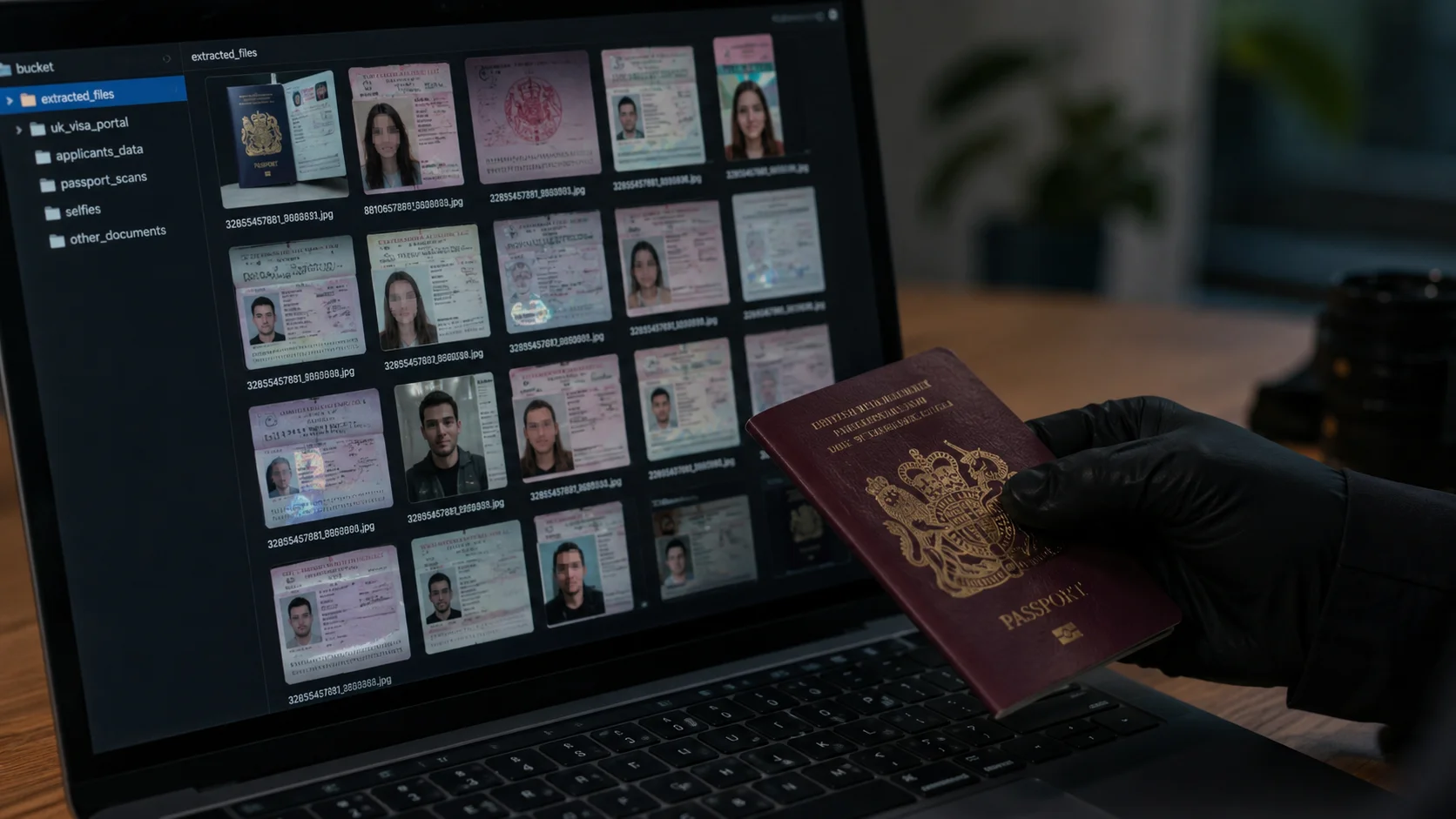
A serious UK visa leak exposed passport scans and selfie images belonging to roughly 100,000 applicants. Researchers discovered the files on an unsecured cloud storage system connected to a third-party immigration platform. The incident has raised major concerns about online identity verification services and the way private visa companies handle sensitive user data. Experts also…
-

The UK government has confirmed that UK digital ID plans will move forward as part of the latest King’s Speech, marking a renewed push toward digital identity systems and stronger cybersecurity legislation. The government’s upcoming legislative agenda includes both the Digital Access to Services Bill and the Cyber Security and Resilience Bill. Together, the proposals…
-

UK cyberattacks are putting growing pressure on essential services. Threat actors are targeting critical systems more frequently, and their actions now affect real-world operations. These attacks no longer stay contained within IT environments. They directly disrupt how services function. Essential Services Face Continuous Attacks Attackers are hitting critical sectors across the UK on a regular…
-

The Proactive Notifications Service now helps UK organisations identify exposed security vulnerabilities before attackers find them. The UK’s National Cyber Security Centre launched this initiative to offer early warnings based on publicly visible information. Because many organisations struggle to detect insecure systems promptly, this move aims to reduce risk and strengthen national cybersecurity. How the…
-

The UK cybersecurity bill introduces major new requirements to protect essential services from cyberattacks. The legislation expands reporting obligations, increases penalties for non-compliance, and gives regulators greater authority over critical infrastructure. Government officials say the bill is a necessary response to a growing wave of targeted cyber incidents against national services. Law expands protection across…