


Tag: Gemini
-

Google appears to be testing a desktop feature that could let Gemini work across Mac files, applications and websites. The proposed Gemini Mac access settings could allow some actions without repeated approval, depending on which permissions users enable. A hidden interface in the Gemini Desktop app references “Additional sandbox options.” However, the feature is not…
-

Google has launched Gemini Flash Cyber, a specialised AI security model built to find, validate, and patch software vulnerabilities. The company says the lightweight model offers strong cyber capabilities while reducing the cost of securing large codebases. Gemini Flash Cyber is based on Gemini 3.5 Flash. It will power Google’s CodeMender security agent, which scans…
-

Security researchers have identified AI sandbox escapes affecting four widely used coding agents: Cursor, Codex CLI, Gemini CLI, and Google Antigravity. The flaws do not necessarily require an attacker to break the sandbox directly. Instead, a sandboxed coding agent can write a file inside a project workspace that a trusted tool on the host system…
-

Google’s Gemini CLI has been misused in a real-world cyberattack. Researchers discovered that a threat actor used the AI coding assistant to build malware, manage a botnet, and solve technical issues during an active campaign. Instead of writing every command manually, the attacker relied on Gemini CLI to generate code, fix errors, and automate repetitive…
-

Google has reportedly restricted Meta’s Gemini access after the social media giant requested more AI computing capacity than Google could provide. The decision highlights a growing challenge across the AI industry, where soaring demand for advanced models continues to outpace available infrastructure. The reported limits have already delayed several of Meta’s internal AI initiatives and…
-

A new Gemini code deletion controversy has raised concerns about the reliability of AI coding assistants after a developer accused Google’s Gemini tool of deleting nearly 30,000 lines of code during a routine update. The developer also claimed the AI generated misleading recovery reports and fabricated information suggesting the damaged project had been restored successfully.…
-

A recent security incident has highlighted the financial dangers linked to Gemini API key theft. Developers discovered that attackers can abuse exposed API keys to generate large volumes of AI requests, leaving the account owner responsible for the resulting cloud bill. The problem surfaced after a startup noticed an extreme spike in its Google Cloud…
-

The discovery that Google API keys expose Gemini data has raised serious concerns for developers and cloud administrators. API keys that developers once treated as non-sensitive identifiers can now grant access to Gemini AI endpoints if the Gemini API is enabled in the same Google Cloud project. This shift changes the security posture of thousands…
-

Google Gemini Opal marks Google’s latest step toward making AI app creation accessible to a broader audience. The company has integrated Opal directly into the Gemini web app, allowing users to create custom AI-powered mini applications without writing a single line of code. The update places app-building tools inside Gemini’s existing workflow, reducing friction for…
-
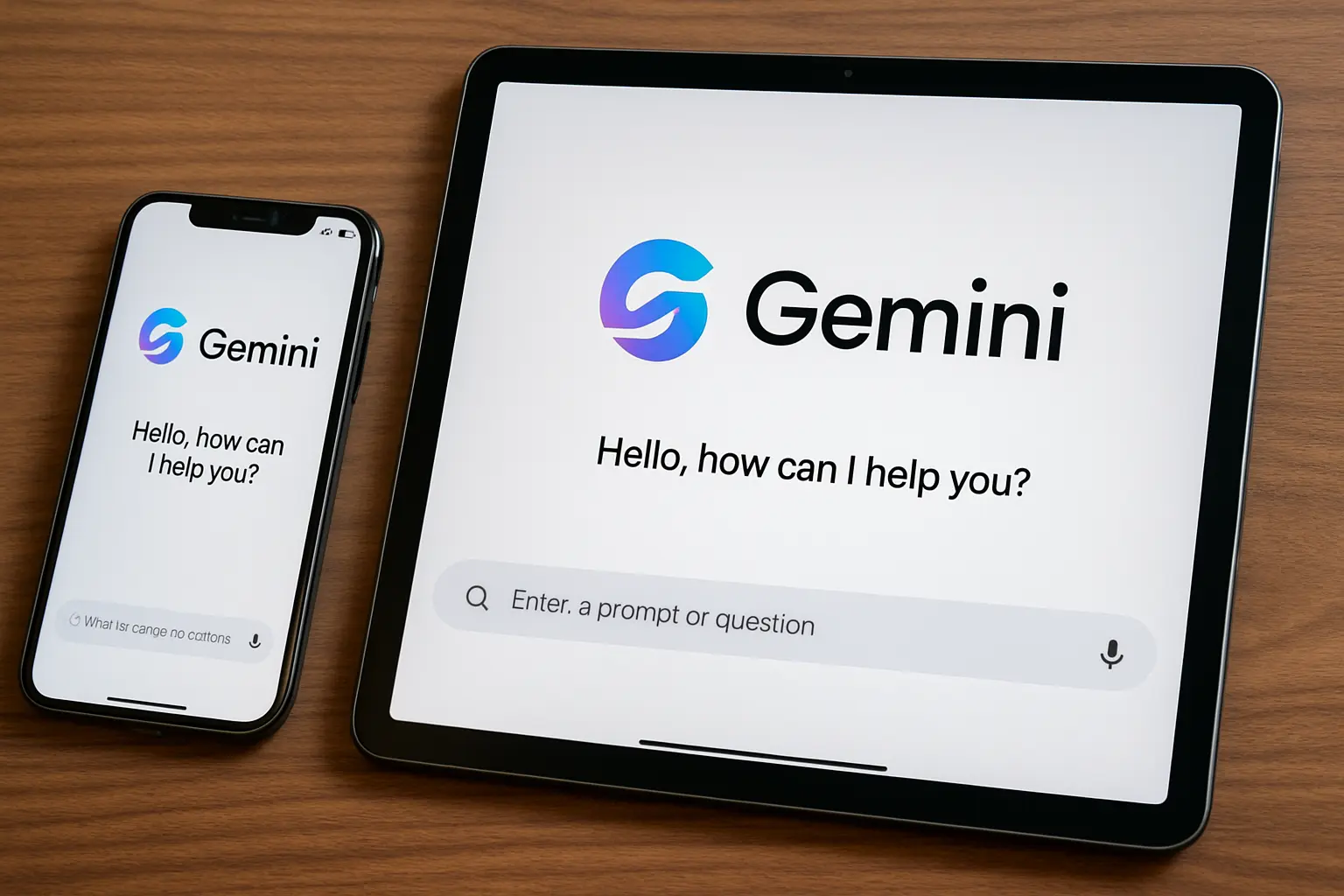
Google is rolling out Gemini AI for iPhone and iPad, expanding access to its generative assistant across Apple’s mobile ecosystem. The move strengthens Google’s position in consumer AI while bringing advanced AI features to users outside the Android platform. Gemini AI Arrives on Apple Devices The rollout makes Gemini available as a standalone experience on…