


Category: Cyber Security
-

An Arizona woman has been sentenced to over eight years in prison for her role in a massive North Korean IT fraud operation that stole more than $17 million from U.S. companies. A Global Scheme with U.S. Roots Christina Marie Chapman, 50, pleaded guilty to helping North Korean nationals pose as U.S.-based remote developers. From…
-

The largest FCC fraud case in history has ended with prison time for the former CEO of Q Link Wireless. Issa Asad was sentenced to five years in prison for stealing over $110 million from government programs meant to help low-income families and businesses. How the Scheme Worked Between 2012 and 2021, Q Link Wireless…
-
ByteDance is facing backlash after a developer accused its AI-powered coding tool, Trae IDE, of spying on users. The tool, launched as a free competitor to Cursor, Copilot, and VS Code, allegedly collects invasive telemetry—even when users opt out. Trae IDE: An AI Assistant with Strings Attached? The tool gained traction for offering access to…
-

The UK is launching a new police unit to monitor social media for signs of violent protests before they erupt. Housed within the National Police Coordination Centre (NPoCC), the team will scan online platforms to detect and prevent anti-migrant demonstrations and other public unrest. A Digital Approach to Civil Unrest The announcement comes after last…
-

The Steam malware attack has alarmed gamers after threat actor EncryptHub compromised an early access title on Steam. The survival crafting game Chemia was found to contain info-stealing malware, putting unsuspecting players at serious risk. How the Attack Happened Security researchers at Prodaft report that the compromise began on July 22. EncryptHub (also tracked as…
-

The The Com cybercrime network is not your typical gang. It’s a growing, decentralized online subculture targeting youth aged 11 to 25. The FBI has issued multiple warnings, calling it one of the most dangerous cyber threats facing young people today. From hacking to physical violence-for-hire, this network thrives in secrecy across Discord, Telegram, and…
-

The keyphrase Itch.io NSFW content is now at the center of a major controversy. The popular indie game platform has removed adult games from search after backlash surrounding the game No Mercy. This disturbing visual novel triggered public outrage and scrutiny from payment processors, prompting a platform-wide response. Why Did Itch.io Act Now? Itch.io came…
-

The Hikvision Ireland security risk is raising alarms as hundreds of surveillance cameras made by the controversial Chinese firm remain active across the country. Despite repeated warnings from security experts, councils, hospitals, and universities continue to use these devices. A new report by the Irish Council for Civil Liberties (ICCL) reveals that most local authorities…
-
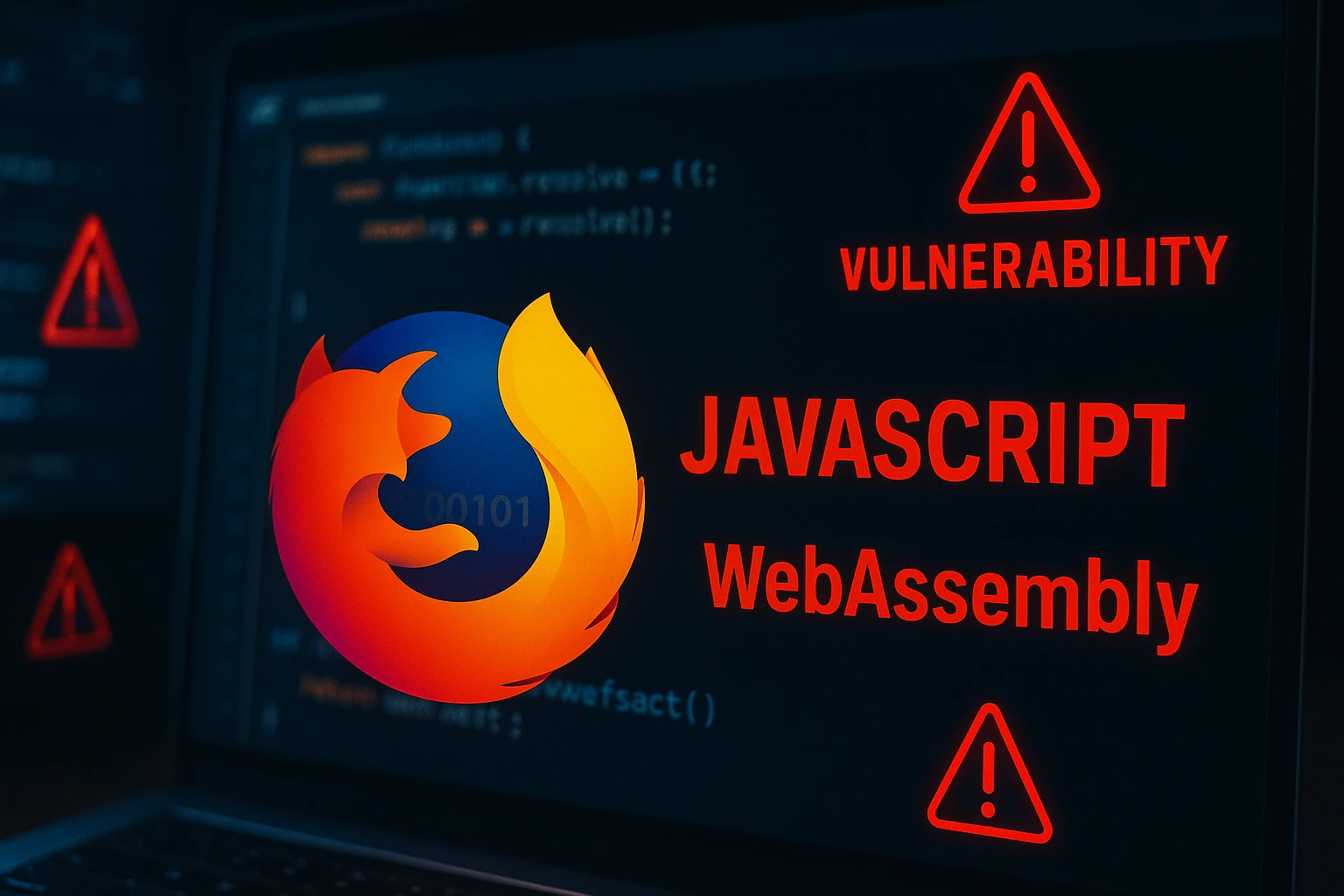
The Firefox 141 security update is here—and if you’re using Mozilla’s browser, it’s time to patch up. This new release fixes 18 vulnerabilities, some of which could allow attackers to run malicious code on your system. Mozilla’s latest update addresses both critical and moderate-level issues. Mozilla urges users on 64-bit Windows, Linux, and ARM64 to…
-
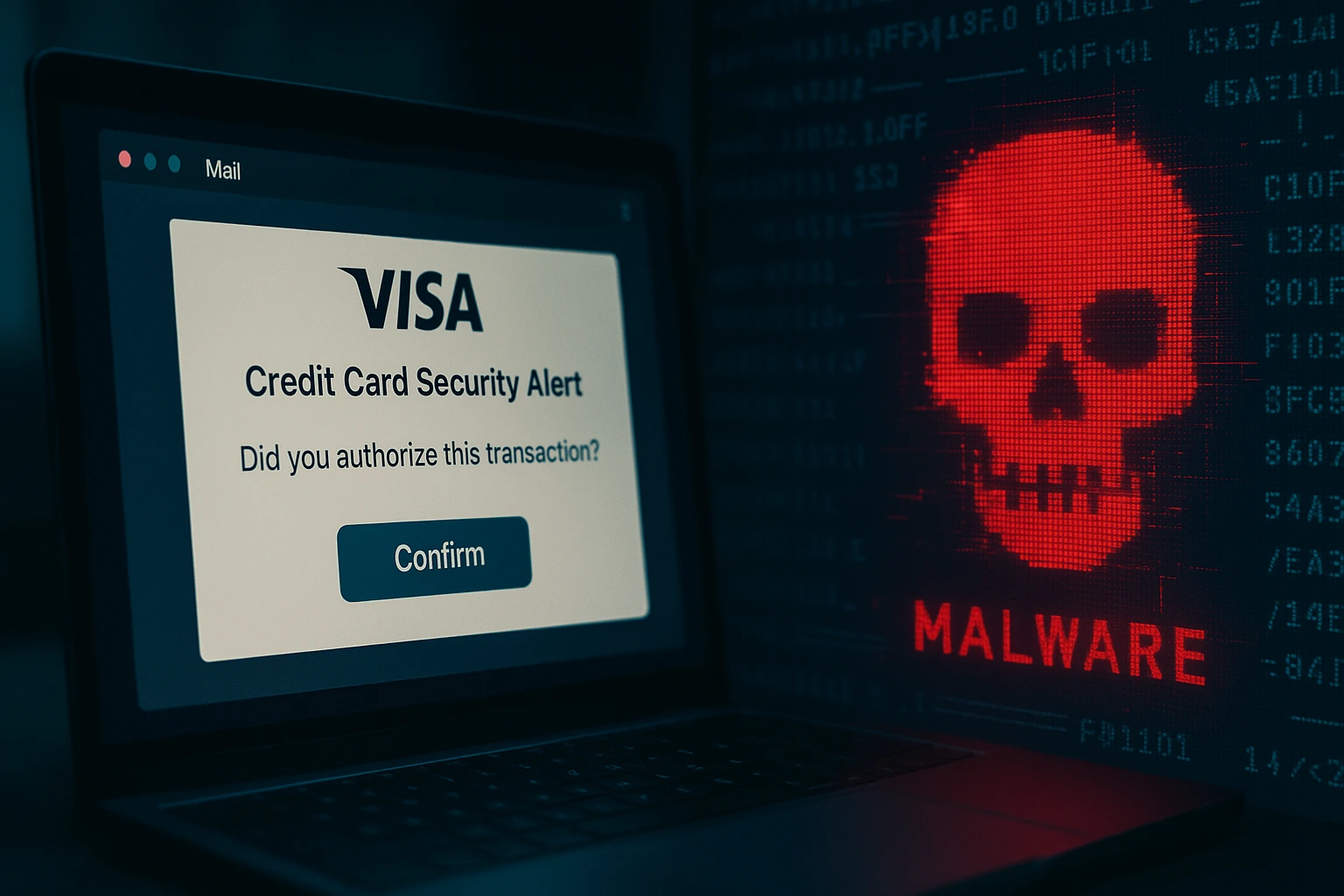
The credit card security email scam is back—and this time, it’s more dangerous than ever. Cybercriminals are sending fake alerts that pretend to come from Visa or Mastercard. These emails ask you to confirm a suspicious purchase. But hidden inside is a malicious shortcut file (.lnk) designed to infect your system with password-stealing malware. Fake…