


Category: Cyber Security
-

AI GPU rentals are reshaping the security landscape by giving attackers unprecedented power. Once considered secure, bcrypt password hashing now struggles to withstand the brute-force potential of modern rented GPUs. The rise of affordable cloud computing has turned what was once an expensive endeavor into a serious threat for both organizations and individuals. How AI…
-

Liverpool City Council has disclosed repeated cyberattacks from a Russian-state-linked group over the past two years. These attacks aimed to disrupt municipal systems and services using large botnets. They demonstrate increasing cyberwarfare risk in UK local government. Who is behind the attacks The attacks come from Noname057(16), a pro-Russian hacktivist group. They typically target Western…
-
Android ad fraud has been uncovered on a massive scale. Security researchers found 224 apps involved in a scheme that tricked advertisers while affecting millions of users. These apps, downloaded more than 38 million times, secretly generated fake ad views and impressions. How the SlopAds scheme worked The campaign, known as SlopAds, hid its malicious…
-

Scattered Spider cyberattacks have returned with renewed focus, this time targeting financial services. Despite announcing they had ceased operations, the group remains active. Their latest activity shows how adaptable and persistent they are, especially when exploiting human and technical weaknesses in high-value sectors. How the attacks unfold The group continues to use social engineering as…
-

The vibe coding contaminated content problem highlights growing risks for developers. AI code assistants can unknowingly pull poisoned data from external sources. When this happens, generated code may contain malware, hidden backdoors, or serious vulnerabilities. Developers who trust AI too much risk damaging their projects and exposing sensitive data. How Contaminated Content Slips In AI…
-

The BreachForums founder resentenced case has ended with a three-year prison term for Conor Brian Fitzpatrick. Known online as “Pompompurin,” Fitzpatrick created one of the largest hacker forums for stolen data. His resentencing follows an appeal that overturned his earlier, much lighter sentence. Background of the Case Fitzpatrick originally pleaded guilty in 2023. Charges included…
-

The Poland cybersecurity response has intensified as Russian-linked hackers target hospitals and water systems. Authorities report dozens of attacks daily. To counter the growing risk, Poland increased its cybersecurity budget to €1 billion for 2025. Escalating Cyberattacks Hospitals remain frequent targets of Russian hackers. Breaches forced some facilities to suspend operations, putting patients and staff…
-

The NPG Media ransomware attack has exposed sensitive employee and executive data at News-Press & Gazette Company (NPG). The Termite ransomware group claims responsibility for the incident. If verified, the breach could affect more than 800 employees and compromise critical business documents. What Happened Termite, a ransomware gang linked to Russia, claims it breached NPG…
-
Google has removed 224 Android malware apps linked to the SlopAds fraud campaign. These malicious apps generated more than 2.3 billion ad requests every day. They were downloaded over 38 million times before being taken down. The campaign used advanced methods to avoid detection and targeted users worldwide. How SlopAds Fraud Worked The SlopAds fraud…
-
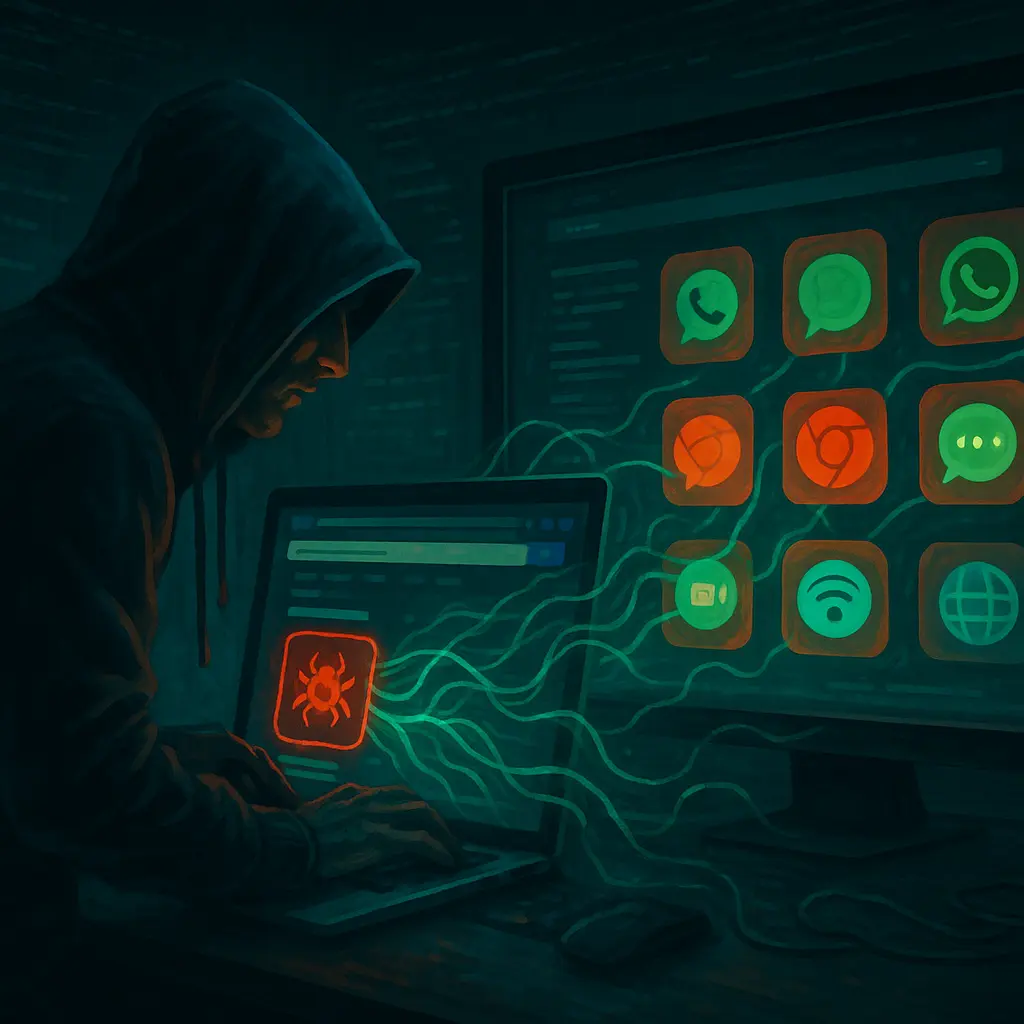
Hackers are using SEO poisoning fake apps to trick users into downloading malware. By manipulating search results, attackers lure people searching for Signal, WhatsApp, Chrome, and other popular apps. Instead of safe software, victims install trojanized packages loaded with malware. How Attackers Use SEO Poisoning Security researchers at FortiGuard Labs found that attackers register lookalike…