


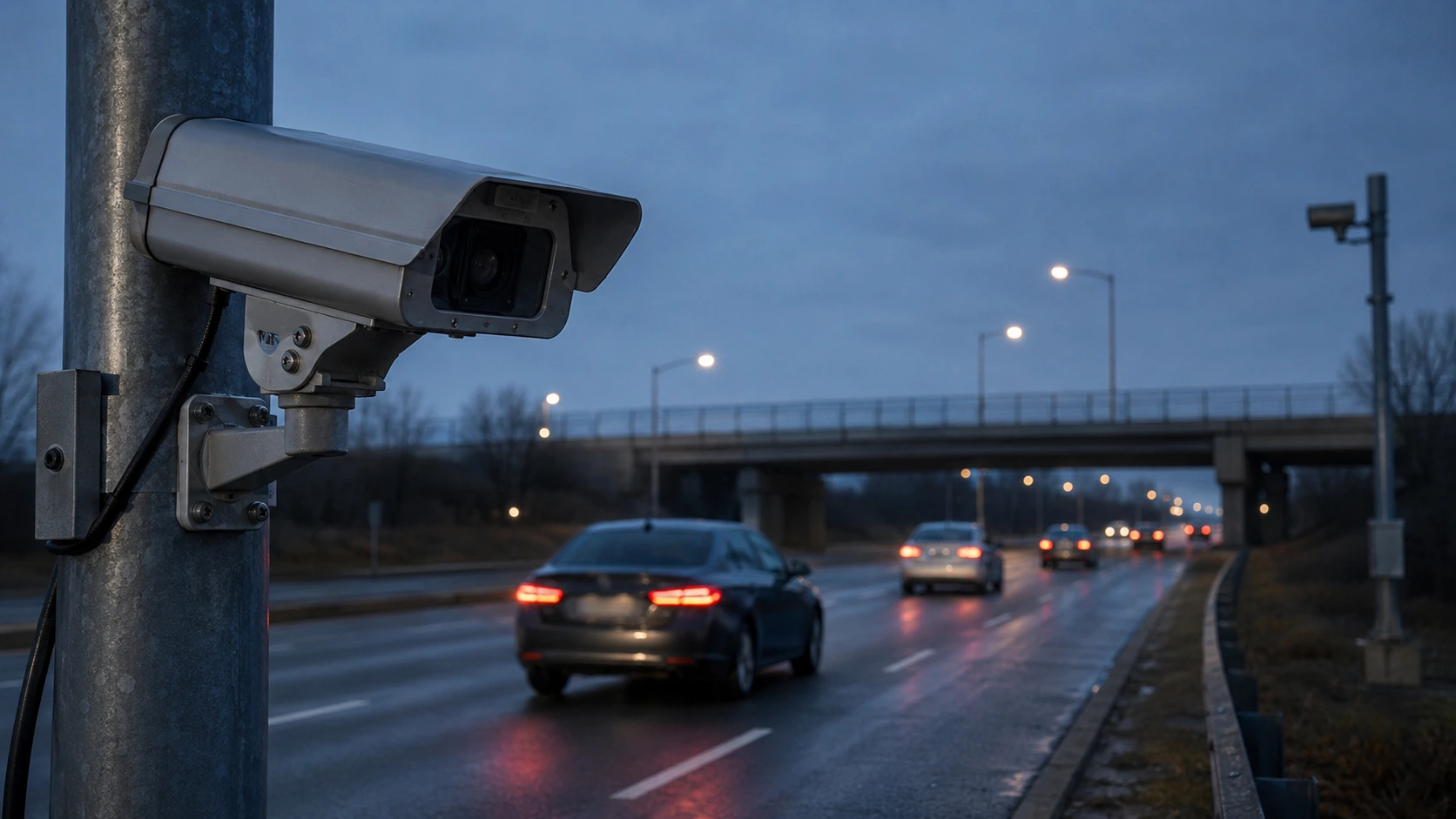
A Texas deputy reportedly used Flock Safety’s automated license plate reader network to search for a woman suspected of having a self-managed abortion.
The search gave the officer access to records from tens of thousands of cameras, including cameras in states where abortion remains legal and protected. The incident has renewed concerns that Texas abortion surveillance can extend far beyond the state’s borders.
Deputy searched Flock records without a warrant
Documents that 404 Media obtained show that a Johnson County Sheriff’s Office deputy ran the search in May 2025.
The search log reportedly included the phrase, “had an abortion, search for female.” The officer did not seek a warrant before running the query.
The deputy searched Flock Safety’s automated license plate recognition, or ALPR, system. The network included data from about 83,000 cameras across 6,809 law enforcement networks.
That reach gave the officer potential access to vehicle records from states where abortion is legal. It also allowed the system to trace vehicles across state lines.
Sheriff’s office calls it a welfare check
Johnson County Sheriff Adam King and Flock Safety said officers used the system during a welfare check for a missing person.
They said the woman’s family worried about her safety and asked law enforcement to help locate her.
Flock Safety rejected 404 Media’s reporting and called the story false and clickbait. Still, the reported language in the search log has raised questions about the way agencies use large-scale vehicle-tracking systems.
Flock requires officers to fill in free-text fields when they justify a search. Many officers simply list “investigation” as the reason.
Flock cameras collect vehicle data
Flock’s AI-powered ALPR cameras photograph vehicles as they pass. The system records a license plate, location, timestamp and direction of travel.
Flock then stores that information in a central cloud database. Law enforcement agencies can search the database and receive alerts when cameras spot a matching vehicle.
Police departments say the technology helps them find missing people, stolen vehicles and criminal suspects. Privacy advocates argue that the network also gives authorities an unprecedented ability to follow ordinary people.
The reported Texas abortion surveillance search shows how agencies could use the technology in cases involving private healthcare decisions.
Advocates say safe states cannot guarantee privacy
Abortion-rights advocates warn that ALPR systems can weaken protections in states where abortion care remains legal.
Kate Bertash of the Digital Defense Fund told 404 Media that anti-abortion groups have previously recorded license plates outside abortion clinics. She warned that cross-state tracking can expose people seeking care, even when they travel to states that protect abortion rights.
The concern has grown since the US Supreme Court ended federal constitutional abortion protections in 2022.
Thirteen states, including Texas, now enforce total abortion bans, according to the Guttmacher Institute. Texas generally allows abortion only when a doctor must save the pregnant person’s life.
Critics warn of mass surveillance
Civil rights and privacy groups have criticised automated license plate reader systems for years. They argue that the technology enables broad surveillance without a warrant.
Flock Safety chief executive Garrett Langley has defended the company’s products. He recently said courts have treated ALPR technology as a lawful law enforcement tool, not an unconstitutional search.
However, critics say this case highlights the risks. As camera networks grow, police can use travel data to investigate healthcare choices that remain legal in other states.
0 responses to “Texas Deputy Used ALPR Network to Search for Woman”