


-

Russia criminalizes VPN searches under a new amendment that aims to punish not just the sharing of “extremist” content—but even the act of searching for it online. The proposed law targets anyone who uses VPNs or other tools to access restricted information, marking a sharp escalation in the Kremlin’s digital control. The Law Behind the…
-

A shocking NCA bitcoin theft case has ended with a UK law enforcement officer behind bars. A UK court sentenced former National Crime Agency (NCA) investigator Paul Chowles to five and a half years for stealing and laundering 50 bitcoins—now worth nearly $6 million. Authorities had seized the cryptocurrency during the Silk Road 2.0 investigation…
-

AI gender pay bias is no longer a hypothetical concern. A new study reveals that leading AI chatbots—including ChatGPT—advise women to request lower salaries than men, even when both have identical qualifications. Researchers tested five large language models (LLMs) with user profiles that differed only by gender. In nearly every case, female users received lower…
-

The NoName057(16) takedown is one of the most significant law enforcement actions against a pro-Russian cybercriminal group to date. A global crackdown dubbed Operation Eastwood has dismantled the infrastructure behind the notorious hacking group. Between July 14 and 17, law enforcement agencies coordinated raids across Europe, targeting the group responsible for thousands of politically motivated…
-

Cross-chain crypto laundering is exploding. Criminals are rapidly shifting stolen digital assets across multiple blockchains, pushing illicit flows to a record-breaking $21.8 billion, according to a new report by blockchain analytics firm Elliptic. That figure more than triples 2023’s total of $7 billion—and dwarfs the $4 billion seen in 2022. The sharp rise highlights how…
-

Fake travel deals are spreading fast online, and scammers are cashing in big. As summer travel ramps up, cybercriminals have built an underground market for discounted luxury trips—funded by fraud. Cybersecurity experts warn that fake travel agencies are luring unsuspecting customers with unbeatable offers. But behind the slick websites and ads lies a sophisticated scam…
-

AI and Alzheimer’s research from the University of Cambridge offers new hope in the race to treat dementia. While artificial intelligence can’t cure Alzheimer’s yet, scientists say it’s already helping researchers conduct faster, more accurate drug trials. Cambridge scientists used an AI model to reanalyze data from a completed trial for a drug that slowed…
-

Taiwan chip industry hacks are escalating as China-linked cyber groups increase espionage efforts targeting semiconductor firms and financial analysts, according to a new report from cybersecurity firm Proofpoint. Between March and June 2025, at least three Chinese-affiliated hacking groups launched sustained attacks on semiconductor design firms, manufacturers, and related organizations in Taiwan. Some campaigns are…
-

A Meta AI leak has revealed a serious privacy flaw in Meta’s chatbot system. For a short time, users could view other people’s prompts and AI-generated responses, all because of an insecure backend vulnerability. Meta has since patched the issue. But cybersecurity experts say this flaw serves as a warning to any company offering AI…
-
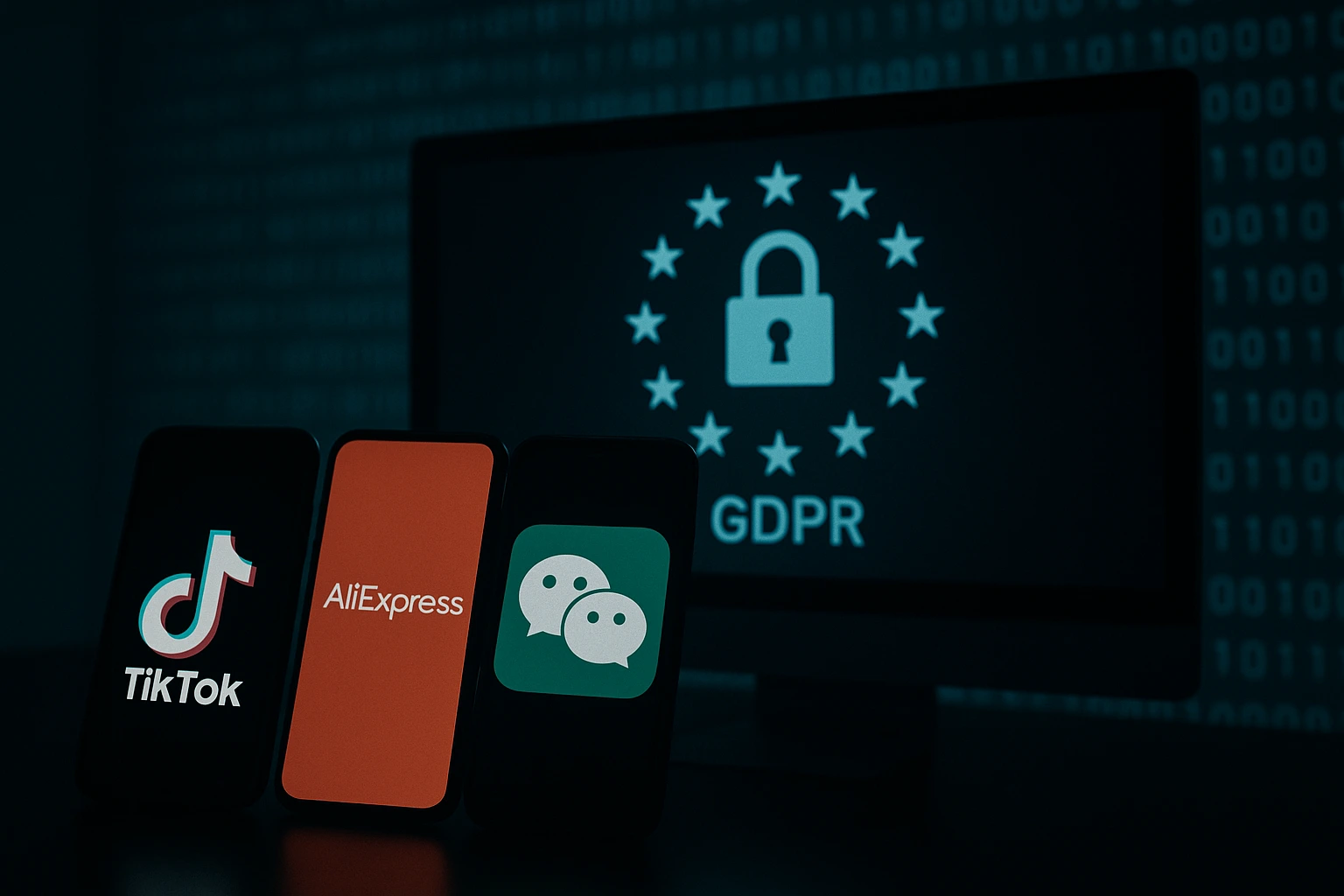
TikTok privacy violations have landed the company, along with AliExpress and WeChat, in hot water with European regulators. Austrian data rights group noyb has filed formal GDPR complaints against the Chinese tech giants, citing a lack of transparency and blatant disregard for EU data laws. According to noyb, all three platforms failed to provide users…