


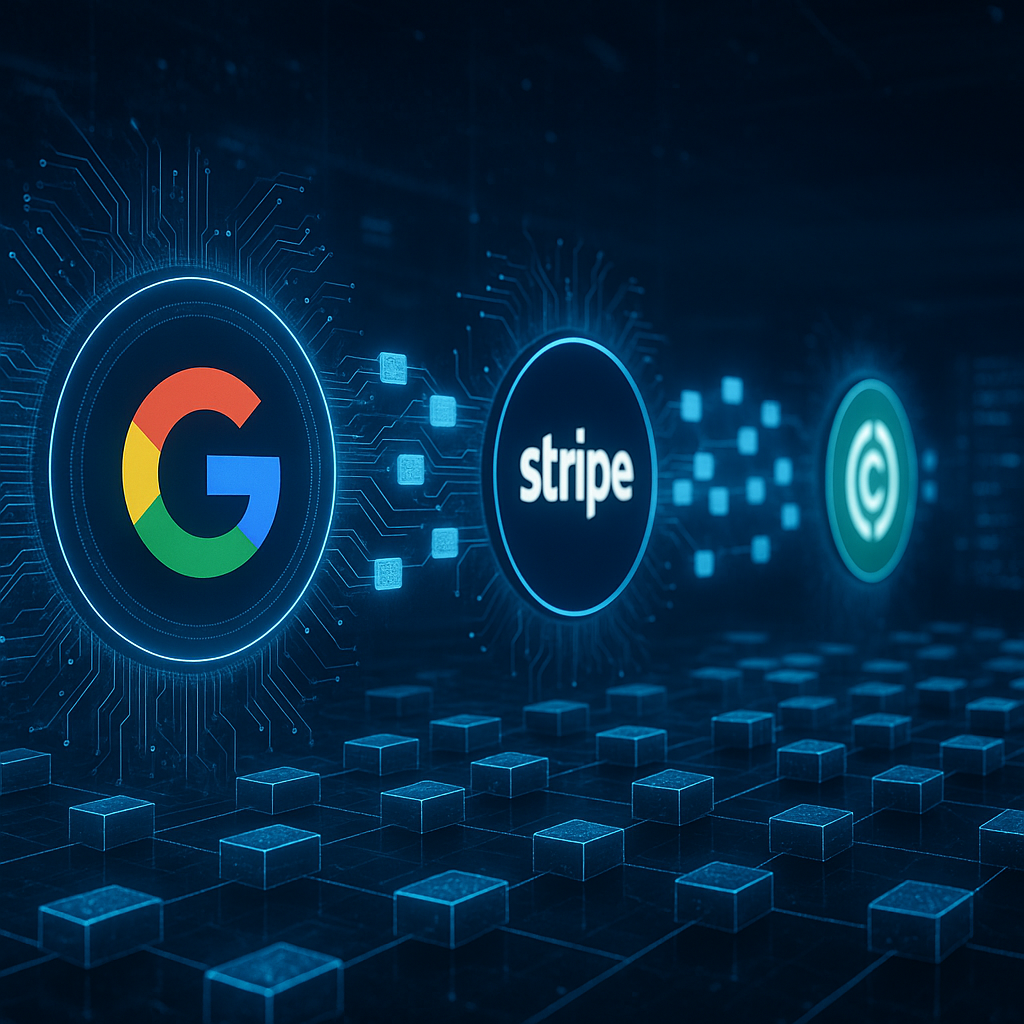
The launch of the Google Layer-1 blockchain signals a bold move into digital finance. This platform could reshape payments, tokenization, and institutional adoption.
A Neutral Blockchain for Finance
Google’s project is called Google Cloud Universal Ledger (GCUL). It is a Layer-1 blockchain, meaning it serves as a standalone network. GCUL supports Python-based smart contracts, making it easier for developers to build applications. Google positions the blockchain as a neutral infrastructure that any financial institution can adopt.
Partnerships and Testing
GCUL is currently in private testing. It has already partnered with the CME Group to explore wholesale payments and asset tokenization. Public trials are planned, with a full launch expected in 2026. The partnership with CME shows Google’s intention to attract institutional players rather than casual retail users.
Competitors in the Market
Google enters a competitive space. Stripe’s Tempo expands its payments infrastructure, while Circle’s Arc builds around the USDC stablecoin. By contrast, the Google Layer-1 blockchain aims to avoid ecosystem lock-in. Google promotes GCUL as an open and neutral platform that welcomes multiple financial ecosystems.
Questions About Decentralization
Despite the promises, key details remain unclear. The project’s level of decentralization has not been disclosed. Critics warn that without transparency and governance, GCUL may face resistance. True neutrality requires more than branding—it demands decentralized control.
Conclusion
The Google Layer-1 blockchain could become a cornerstone for financial innovation if executed correctly. Its promise of neutrality and institutional focus sets it apart from competitors. However, doubts over decentralization remain a serious challenge. The coming trials will determine whether Google’s blockchain becomes an industry standard or another centralized solution.
0 responses to “Google Layer-1 Blockchain Challenges Stripe and Circle”