


Tag: Google
-

Attackers hijacked several Google domains and obtained unauthorized HTTPS certificates after compromising third-party domain operators. The Google domain hijacking incidents affected country-code domains for Ghana, Sierra Leone and American Samoa. Other organizations also suffered domain hijacks within the .GH, .SL and .AS namespaces. However, Google said the attacks did not compromise its own systems. The…
-

Google has temporarily stopped accepting product vulnerability reports through its Open Source Software Vulnerability Rewards Program (OSS VRP). The Google bug bounty change follows a sharp increase in automated submissions, most of which the company says are invalid. However, the suspension covers only part of the program. Supply chain reports remain eligible, and Google will…
-

Ireland’s privacy regulator has fined Google €403 million for GDPR violations involving users’ location information. The authority found problems with transparency, data retention and the legal basis for processing Google location data. DPC Investigates Three Google Features Ireland’s Data Protection Commission launched its investigation in February 2020. The inquiry followed several complaints from consumer rights…
-

Google has released its September 2026 security update for Pixel devices, addressing 110 vulnerabilities. The patches include a high-severity Android zero-day that attackers may already be exploiting in limited, targeted operations. The company is urging all owners of supported Pixel devices to install the update as soon as it becomes available. Pixel Zero-Day Affects Cellular…
-

A Google AI hallucination wrongly told users that Japanese textile wholesaler Iwate Sen-i had ceased operations and entered special liquidation proceedings. The company continued to operate normally. However, the false summary appeared at the top of Google Search results and quickly alarmed employees, customers, suppliers and business partners. An employee reportedly spotted the result on…
-

Google privacy controls are changing as the company rolls out separate settings for Search services and Google Play. The update gives users more control over how Google stores activity and personalizes recommendations. It also introduces a new media-saving option that may automatically activate for some accounts. Users should review the new settings once they appear…
-
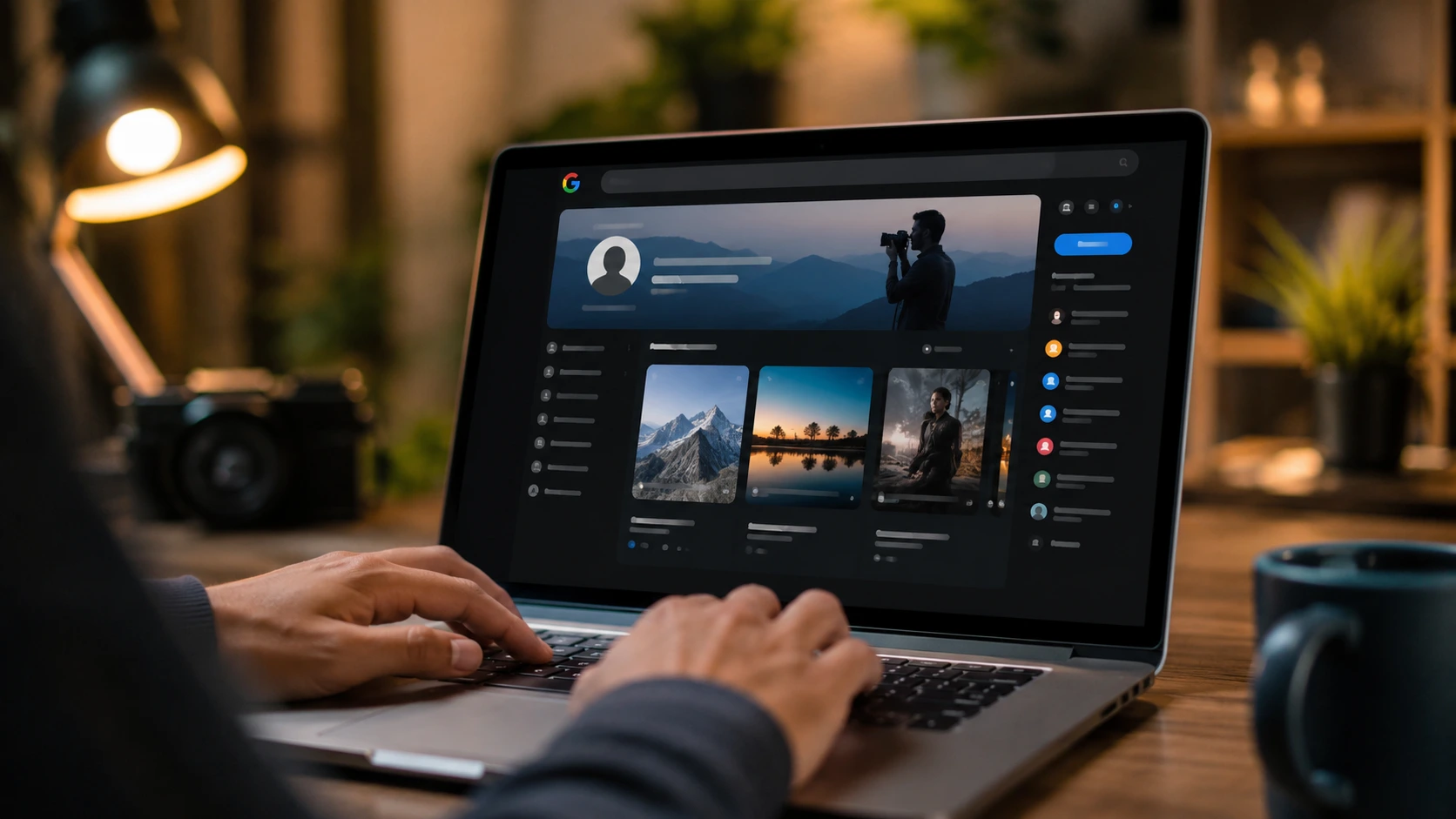
Google Search Profiles are bringing a new social element to the search giant’s platform. The feature gives eligible creators and publishers a dedicated space to display content, connect their online presence, and attract followers directly through Google Search. The rollout signals Google’s continued effort to turn Search into a destination for content discovery rather than…
-

Millions of people use Google accounts to sign into websites and apps every day. The system saves time and removes the need to create separate passwords for every service. However, Proton now warns that this convenience may come with serious privacy and security concerns. The privacy-focused company argues that relying too heavily on Google authentication…
-

Security researchers helped uncover thousands of software flaws last year, pushing the Google bug bounty program to a record payout. The company reported paying $17.1 million to security researchers who discovered vulnerabilities across its products. Bug bounty programs reward independent researchers who report security flaws responsibly. Instead of exploiting weaknesses, researchers disclose them to the…
-

A phishing campaign is abusing Progressive Web App technology to steal account credentials and multi-factor authentication codes. The attack uses a fake Google security page to trick victims into installing a malicious web-based app. The fake Google security site looks convincing and mimics legitimate account protection workflows. Once victims install the app, attackers gain access…