


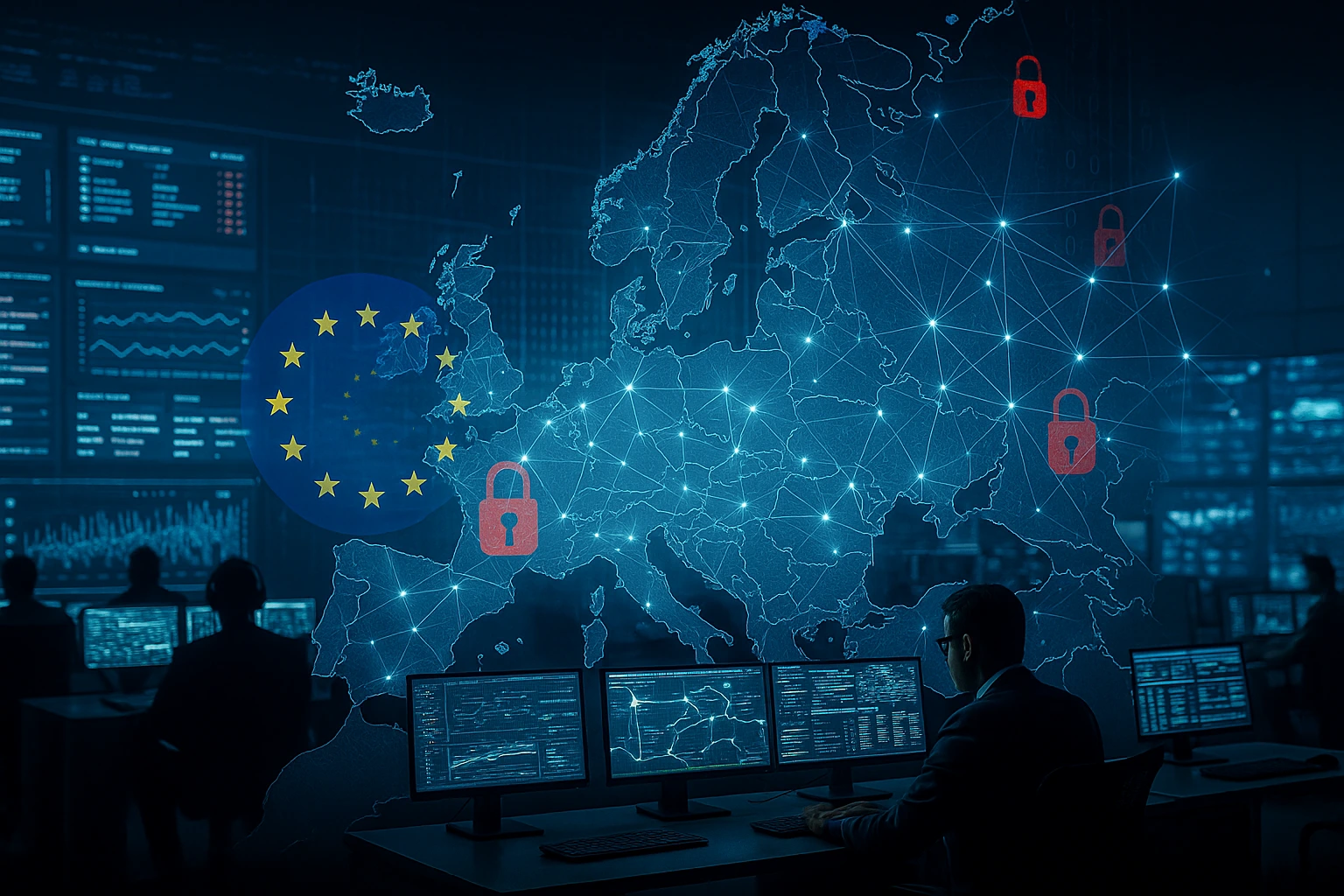
The EU energy-grid cybersecurity forum brought policymakers, power-grid operators and security experts together to reinforce protections across Europe’s interconnected electricity infrastructure. The event highlighted the growing cyber risks facing modern energy networks and stressed the need for cooperation, regulation and operational readiness. As power systems become more digitised, the continent must adapt its defences to evolving threats and real-world pressure points.
Key Focus Areas
The forum emphasised the need to translate new regulations into practical action. Attendees discussed implementation of frameworks such as the NIS2 Directive, the Cyber Resilience Act and updated network rules designed for cross-border electricity flows. These policies aim to enforce stronger safeguards, bolster compliance standards and improve information-sharing between organisations responsible for keeping energy flowing.
Speakers explained that regulation alone does not guarantee security. Energy systems depend on thousands of interconnected components and suppliers, ranging from industrial control systems to smart meters and home-based renewable devices. Each connection point represents a possible entry route for attackers, which means operators must embed cybersecurity into every stage of procurement, deployment and maintenance.
Real-World Lessons
The conflict in Ukraine served as a critical reference point. Attacks on Ukrainian power infrastructure demonstrated how cyber operations can disrupt essential services and undermine public confidence during times of crisis. Forum participants noted that Europe’s grid resilience strategy must assume that adversaries will target both digital and physical elements of the power system. Fast detection, coordinated response planning and resilient network design form the core of that defence.
Shared Responsibility Across Sectors
Energy operators cannot protect the grid alone. Government agencies, private-sector vendors, security specialists and regulatory bodies all carry a portion of the responsibility. Successful protection relies on transparent information-sharing, rapid incident reporting and consistent security controls, especially where networks cross borders or depend on third-party technology.
Participants also stressed the importance of workforce readiness. Operational technology teams must understand modern cyber threats, and leadership must view cybersecurity as critical to business continuity and national stability. Skills development and structured training programs are essential for maintaining readiness and reducing risk.
Path Forward
The EU energy-grid cybersecurity forum reinforced several key priorities:
- Build security into infrastructure design and procurement
- Segment critical systems and monitor for anomalies
- Coordinate incident-response capabilities across regions
- Share threat intelligence across public and private sectors
- Prioritise training for technical teams and executives
- Accelerate compliance with established EU frameworks
These steps help reduce vulnerability and ensure energy delivery remains stable even during cyber incidents or geopolitical stress.
Conclusion
The EU energy-grid cybersecurity forum reaffirmed that protecting Europe’s power systems demands unified action and continuous improvement. With threat actors targeting critical infrastructure and energy networks growing more interconnected, proactive planning and coordinated defence have become essential. The forum underscored a clear message: maintaining grid resilience is not optional. It is a fundamental requirement for economic stability and public safety across the European Union.
0 responses to “EU energy-grid cybersecurity forum strengthens European power resilience”