


Tag: EU
-

The European Commission has opened a tender to build seven AI gigafactories across Europe, aiming to expand the bloc’s computing power and reduce its dependence on the United States and China. The project could unlock €20 billion in private investment, while the EU plans to contribute an additional €10 billion. Together, the funds would support…
-

The European Union and the United Kingdom have announced a new round of sanctions against Russian individuals and organizations accused of carrying out cyberattacks and hybrid operations across Europe. The measures target intelligence officers, cybercriminals, private companies, and malware operators that authorities say helped destabilize European governments and critical infrastructure. EU and UK Expand Sanctions…
-

The European Parliament has voted to revive EU Chat Control, giving online platforms legal permission to continue voluntarily scanning private communications for child sexual abuse material (CSAM) while the bloc negotiates permanent legislation. The extension comes months after the temporary framework expired in April and follows a heated parliamentary debate over both privacy rights and…
-
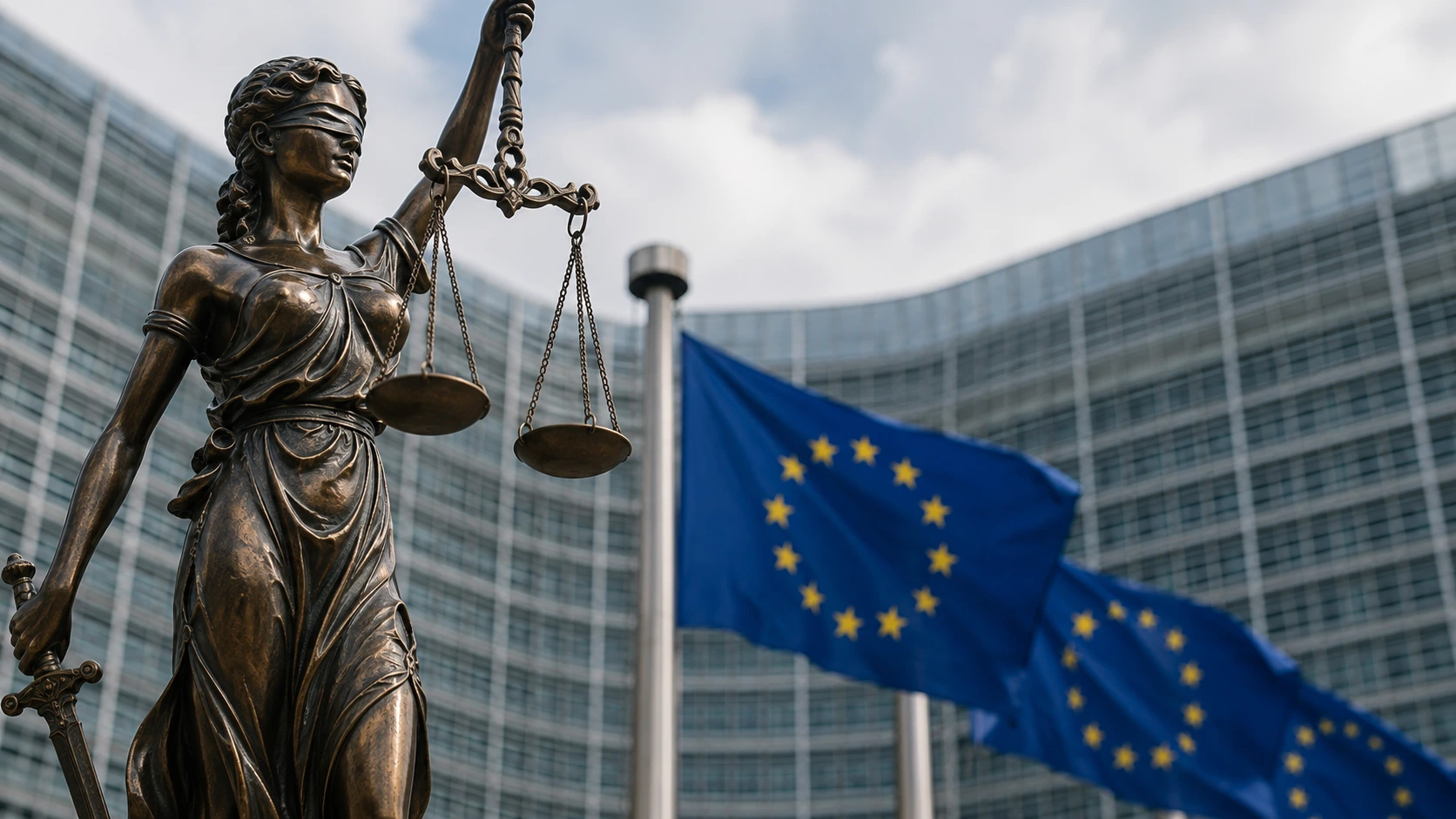
The European Commission has referred France, Ireland, the Netherlands, and Spain to the Court of Justice of the European Union after the four countries failed to implement the NIS2 Directive before the October 2024 deadline. The Commission says fully implementing the NIS2 Directive is essential to strengthen cybersecurity across the European Union and improve the…
-

The European Commission has unveiled plans to create an AI cybersecurity platform that will help identify vulnerabilities across critical sectors, including healthcare, finance, energy, transport, and public administration. The initiative aims to strengthen Europe’s cyber defenses while reducing its dependence on AI technologies developed outside the European Union. AI Cybersecurity Platform Will Test Critical Systems…
-
A former member of the European Parliament investigating spyware abuse across Europe became a victim of Pegasus spyware himself. Citizen Lab has revealed that former Greek MEP Stelios Kouloglou was repeatedly targeted while serving on the European Parliament’s PEGA Committee. The committee was created to investigate the growing use of commercial spyware across the European…
-
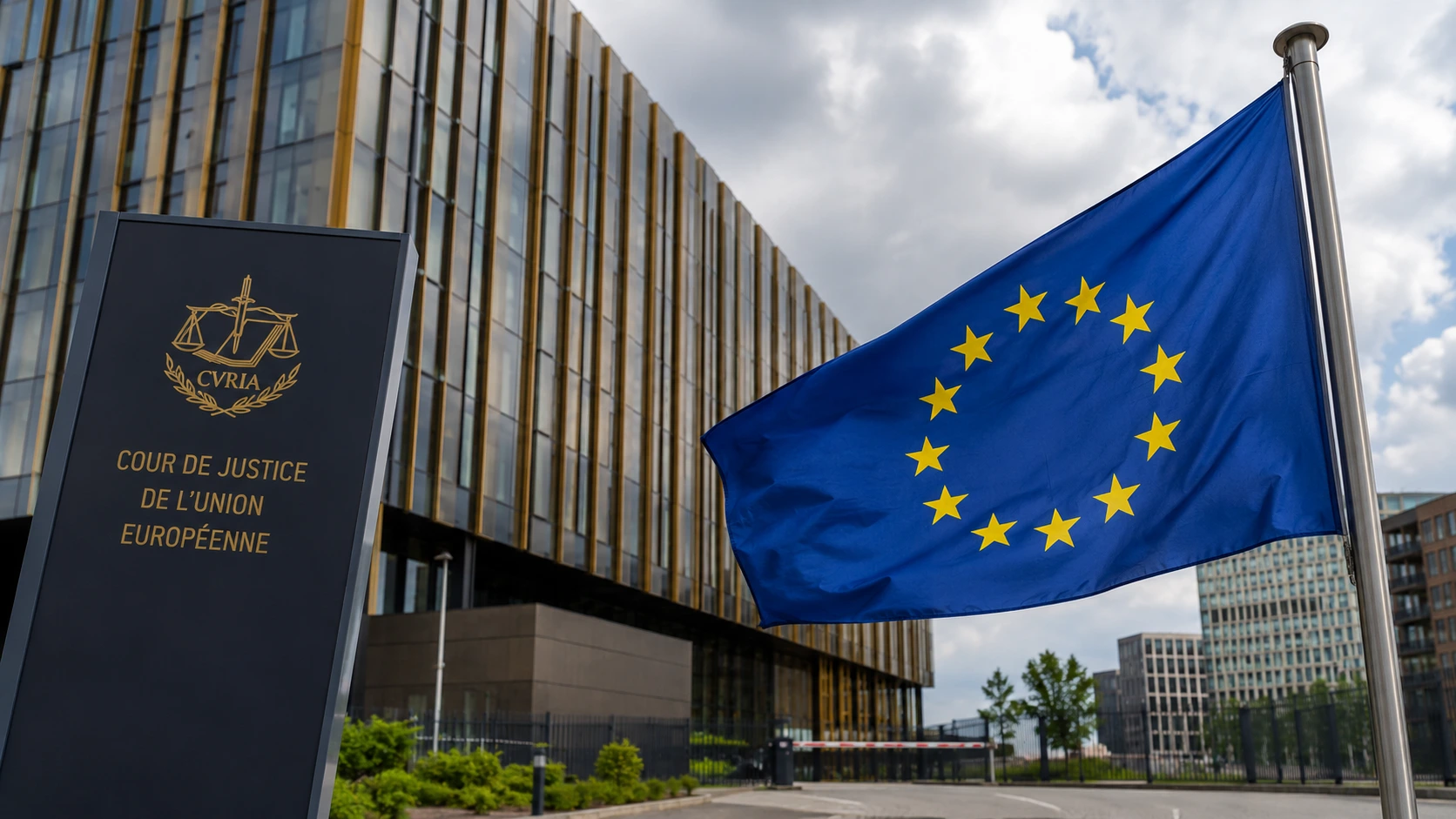
Europe’s highest court has rejected Google’s final appeal against a multibillion-euro antitrust penalty, bringing one of the European Union’s longest-running competition cases to a close. The ruling confirms a Google Android antitrust fine of €4.1 billion ($4.7 billion) over practices that regulators said unfairly strengthened the company’s dominance in the mobile ecosystem. The decision leaves…
-

The EU age verification app has received new security updates after researchers exposed several weaknesses. The system aims to confirm user age while protecting personal data, but recent findings show that the approach still raises concerns. Although developers introduced fixes, questions remain about how secure the solution really is. Updates Improve Basic Protections Developers released…
-

The EU age verification app hack has raised serious concerns about online safety enforcement. Initially, the system aimed to protect minors across digital platforms. However, researchers bypassed it within minutes. As a result, the incident exposed weaknesses that attackers can exploit with minimal effort. At the same time, the failure shows how fragile large-scale identity…
-

An EU cloud breach reveals how one compromised tool can expose an entire cloud environment. Attackers infiltrated infrastructure linked to the European Commission and moved quickly to access sensitive data. This incident highlights a clear shift. Supply chain weaknesses now give attackers direct entry into secure systems. Compromised tool enabled initial access Investigators traced the…