


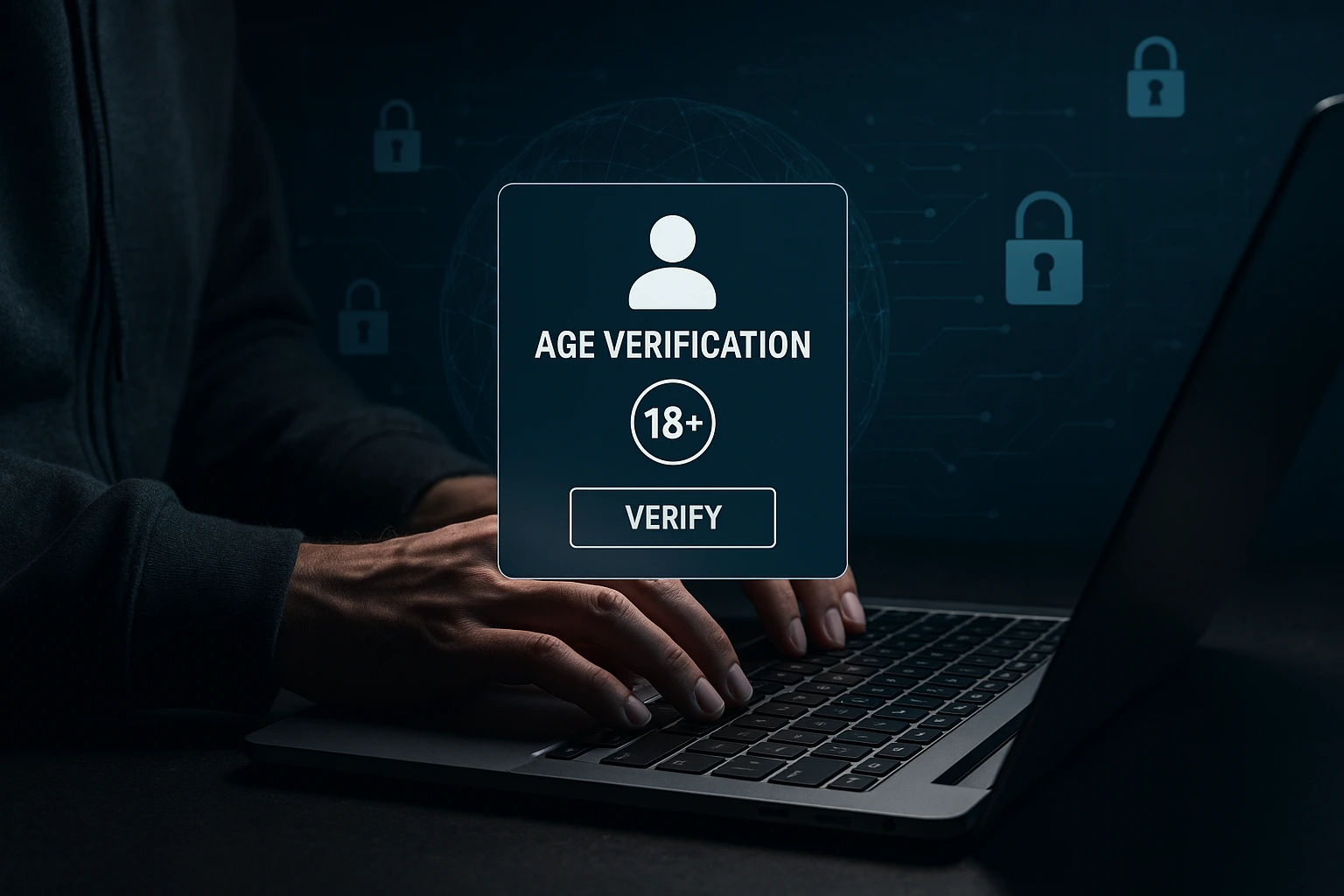
Age verification laws are stirring debate across the UK—but experts warn this may soon become a global standard. Since July 25, thousands of websites have introduced stricter age checks under the UK’s new Online Safety Act. From Reddit to TikTok, platforms must now verify users are over 18 before granting access to harmful content.
That includes not just adult material, but also posts involving self-harm and cyberbullying. The goal? Protect children. The result? A surge in VPN sign-ups and a heated privacy backlash.
VPN sign-ups explode amid privacy backlash
Users are flocking to VPNs to bypass the checks. Swiss provider Proton has reported an 1,800% spike in UK user sign-ups. VPNs, commonly used in censorship-heavy countries, have become the go-to workaround.
But experts warn that won’t last. Dr. Ilia Kolochenko, CEO of ImmuniWeb, says most VPNs can be detected—and blocked. He believes that governments will soon require adult sites to reject VPN traffic entirely.
Experts see a global trend forming
Kolochenko tells Cybernews the UK’s Online Safety Act is just the beginning. Despite criticism, he says we should expect similar laws to spread worldwide.
“Protecting minors online will require some level of privacy compromise,” he explains. But if done right—with no data leaks or ID tracking by shady third parties—age verification can be both safe and effective.
Ofcom, the UK’s media regulator, agrees. The agency claims the new rules are key to reducing children’s exposure to harmful content. Public support for the measures is strong, especially among parents.
Workarounds pose legal and ethical risks
Some users are already exploring more extreme workarounds. One site lets users create fake IDs using MPs’ faces. Others are turning to deepfakes. But experts warn this could lead to serious legal trouble, including identity theft charges.
Kolochenko isn’t too concerned about deepfakes, though. He says most kids won’t be capable of using such tech, and adults who wish to remain anonymous won’t be penalized—as long as they aren’t harming others.
Conclusion
Age verification laws are no longer just a UK issue. With public support, government backing, and growing concerns about child safety online, more countries are likely to follow suit. While VPNs may offer a short-term escape, experts warn the loopholes will close. The internet’s next era may require all users to prove their age—whether they like it or not.
0 responses to “Age verification laws set to expand beyond the UK”