


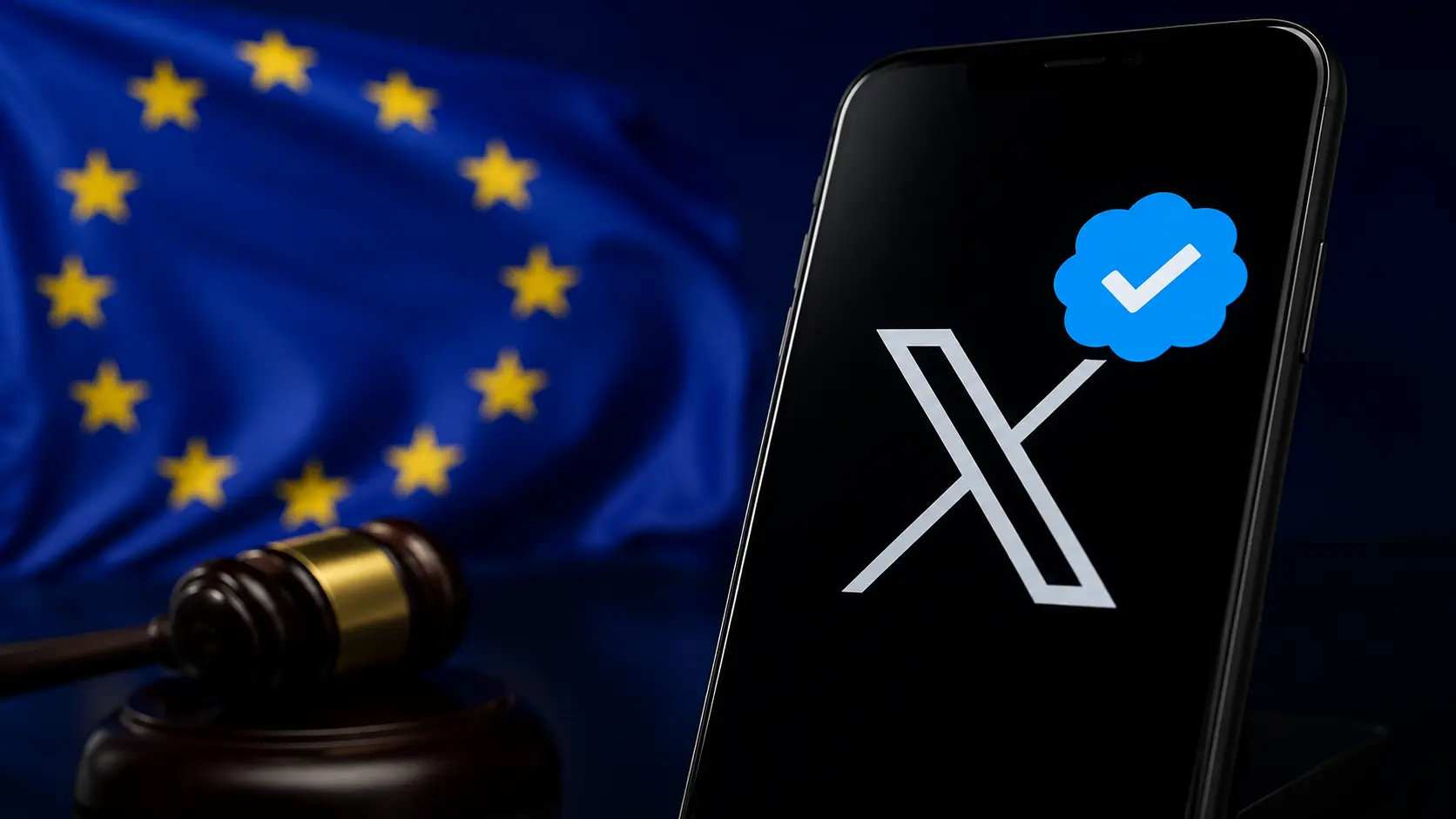
The X blue check system in Europe could soon face major changes after European regulators challenged how the platform handles account verification. Officials argued that paid subscriptions should not automatically create the appearance of genuine identity verification.
The dispute increases pressure on X as European authorities continue enforcing stricter online platform regulations under the Digital Services Act.
EU Regulators Challenged the X Blue Check Model
European regulators accused X of misleading users through its current verification structure. Officials argued that the platform’s blue checkmark no longer represents authentic identity verification because users can obtain the badge through a paid subscription.
Before Elon Musk acquired the platform, the blue checkmark mainly identified verified public figures, journalists, organizations, and government accounts.
After the ownership change, X replaced the older verification process with the subscription-based X Premium system. Under the updated model, users can receive the badge after meeting basic account requirements and paying for the service.
Regulators argued that the system blurred the distinction between authenticated accounts and ordinary paid subscribers.
X Submitted Proposed Changes to European Regulators
Reports stated that X submitted proposed remedies to European regulators following enforcement actions connected to the X blue check system. The European Commission confirmed it is now reviewing those proposed changes.
European officials previously fined X €120 million under the Digital Services Act for multiple alleged violations, including concerns tied to deceptive verification practices.
Regulators warned that the current system may expose users to impersonation risks, scams, and misleading credibility signals because paid accounts can appear officially verified without meaningful identity checks.
The review process could eventually force X to redesign how verification works for users across Europe.
Critics Warn About Trust and Misinformation Risks
Researchers and digital rights groups warned that credibility indicators play an important role in helping users determine whether online information appears trustworthy.
Critics argued that the paid verification model weakened that trust signal by allowing subscription status to resemble official verification.
Some researchers also warned that malicious actors may abuse the X blue check system to spread misinformation, impersonate organizations, or amplify harmful content.
Previous investigations also revealed that sanctioned individuals and extremist-linked accounts obtained blue checkmarks and premium platform features.
Europe Continues Expanding Platform Regulation
The dispute surrounding the X blue check system reflects Europe’s broader effort to regulate major online platforms more aggressively.
The Digital Services Act requires large platforms to improve transparency, reduce systemic risks, and strengthen protections against deceptive or harmful online activity.
European regulators continue increasing scrutiny on recommendation algorithms, advertising transparency, identity verification systems, and researcher access across major social media companies.
Industry analysts believe future platform regulations may place even greater focus on user authentication and verification transparency standards.
Conclusion
The X blue check debate in Europe could significantly reshape how online verification systems operate in the future.
European regulators argued that paid subscriptions should not automatically create the appearance of verified identity. As the regulatory review continues, X may face growing pressure to redesign its verification model to meet stricter transparency and trust requirements.
0 responses to “X Blue Check in Europe Could Face Major Verification Changes”