


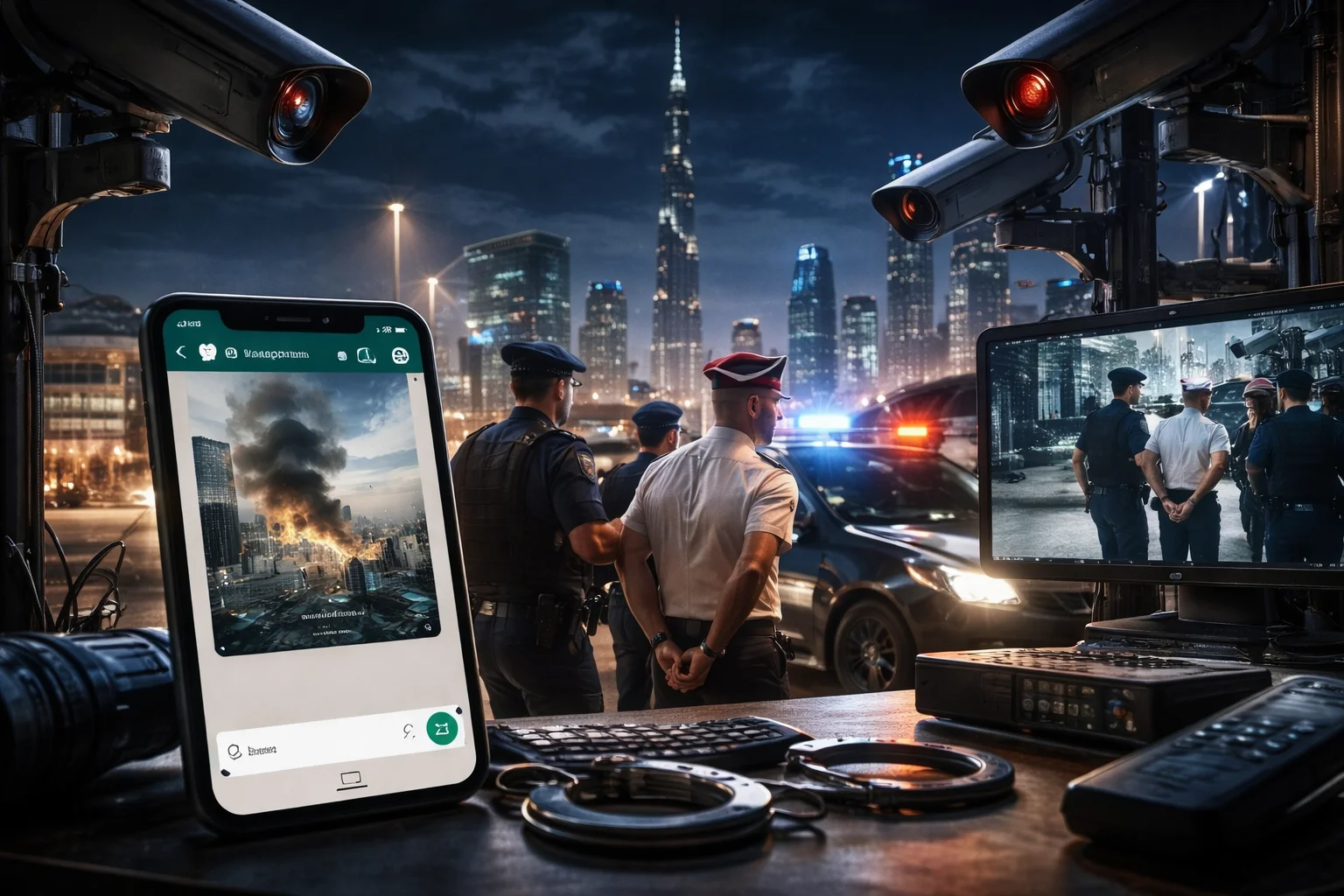
Concerns around WhatsApp surveillance Dubai are growing after authorities detained an Emirates flight attendant over a private message. The case has sparked debate about digital privacy and how far monitoring powers can reach.
Reports suggest the message was shared in a closed group. However, officials still traced it and acted quickly. This raises serious questions about how private communication is handled in the UAE.
Private message leads to detention
Authorities reportedly detained the flight attendant after he shared an image in a private WhatsApp group. The photo showed smoke linked to a drone-related incident in Dubai.
He did not post the image publicly. Instead, he asked colleagues if it was safe to travel to work. Despite this limited sharing, officials identified him and later arrested him.
Reports indicate that “active electronic surveillance” helped track the message. This suggests authorities monitored communication channels beyond public platforms.
Privacy concerns intensify
The incident has amplified concerns about WhatsApp surveillance Dubai and the limits of encrypted messaging. WhatsApp uses end-to-end encryption, which should prevent third parties from reading messages.
However, this case raises doubts about how authorities accessed the information. It remains unclear if monitoring targeted metadata, devices, or other access points.
Experts warn that this situation blurs the line between private and public communication. Users may believe their messages are secure, yet enforcement actions suggest otherwise.
Strict cybercrime laws enable action
The detention aligns with the UAE’s strict cybercrime laws. These laws prohibit sharing content that could impact national security, public order, or public perception.
Authorities had already warned residents not to share images or information related to sensitive incidents. This includes content that may seem harmless in private conversations.
Penalties under these laws can include:
- Detention or imprisonment
- Significant financial fines
- Deportation for foreign nationals
This framework allows authorities to act even when content is shared in restricted groups.
Reports suggest wider enforcement
The case may not be isolated. Reports indicate that other individuals have faced similar consequences for sharing sensitive content.
This points to a broader enforcement pattern during periods of heightened tension. It also suggests that monitoring efforts may extend across multiple communication channels.
As a result, users may hesitate to share even basic information during emergencies. This could affect how people communicate in critical situations.
Conclusion
The case highlights the growing tension between privacy and security. Concerns around WhatsApp surveillance Dubai show how quickly private communication can become a legal risk.
As enforcement expands, users must be aware of local laws and digital monitoring practices. In some regions, private messages may not remain fully private.
0 responses to “WhatsApp Surveillance Dubai Sparks Privacy Debate After Arrest”