


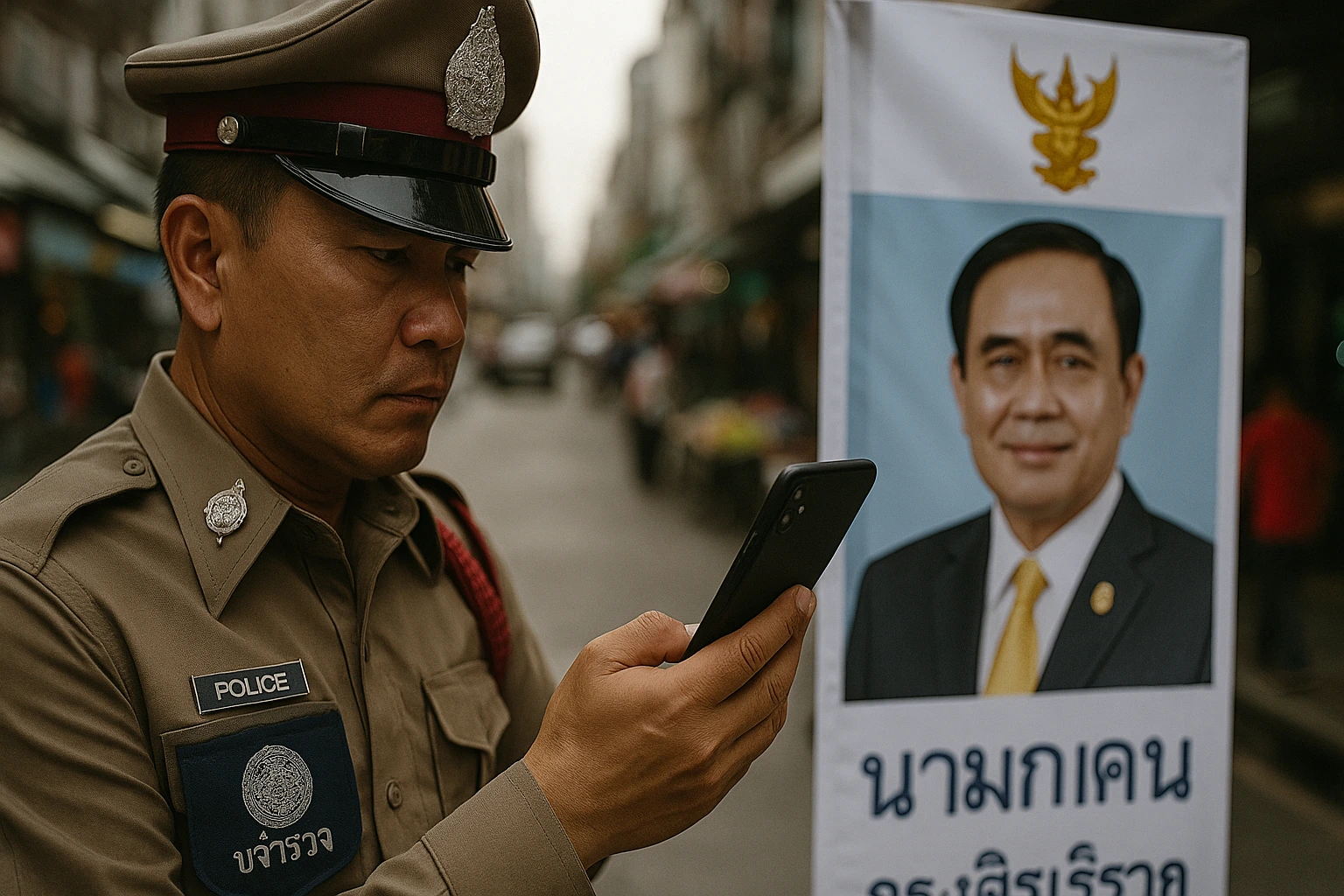
The Thailand link ban introduces a nationwide rule that prohibits all government agencies from including clickable links in SMS or email messages. Officials believe this measure will disrupt the country’s fast-growing wave of impersonation scams. The ban aims to protect citizens by ensuring that any government-related message containing a link can be treated as fraudulent.
Why the Government Introduced the Ban
Authorities in Thailand reported a significant rise in scam cases involving fake messages that appeared to come from ministries or state departments. These messages often directed victims to malicious websites disguised as government portals. Criminals used these tactics to steal banking credentials, personal information and digital identity data.
The new directive removes this vector entirely. The Cabinet approved the rule after a proposal from the Ministry of Digital Economy and Society. The decision reinforces earlier sector-specific measures that targeted financial institutions and telecom operators. Officials now want a unified policy that applies to every government office across the country.
What the Ban Requires
The rule is simple: legitimate state agencies will no longer send links in SMS or email. All government communication must use plain text without any embedded URLs. Citizens are instructed to treat any message containing a link and claiming to be official as a scam attempt.
Authorities also urge people to report suspicious messages to national hotlines created for cybercrime and digital-fraud cases. The government will continue to issue public reminders as part of a broader awareness campaign aimed at helping users identify scams without hesitation.
Why the Ban Matters for Scam Prevention
The Thailand link ban eliminates one of the most common techniques used by fraudsters. Criminals depend on fake government messages because they create trust and urgency. The disappearance of legitimate links from government channels makes it easier for people to reject harmful messages outright.
Security analysts highlight that this simplification improves public cyber hygiene. When users know that government agencies never send links, fraudulent messages become easier to recognize. The policy increases friction for scammers and reduces opportunities to redirect victims to fake portals.
Potential Challenges
The ban requires clear communication from authorities to ensure citizens understand the rule. Without widespread awareness, scammers may still succeed with confusing or well-designed messages. Some scammers may shift to platforms outside SMS and email, such as chat apps or social networks.
Government offices also need alternative ways to guide people to official services. Agencies will rely on clear instructions directing users to manually visit official websites or use verified apps. These adjustments may require changes to established communication workflows, but authorities argue the trade-off is worthwhile.
Conclusion
The Thailand link ban represents a decisive step in reducing nationwide impersonation scams. By preventing government agencies from sending links in SMS or emails, officials aim to strengthen public awareness and remove a major attack method used by fraudsters. The plan’s long-term success will depend on sustained education efforts and continued vigilance from citizens, but the new rule provides a clear foundation for safer digital communication across Thailand.
0 responses to “Thailand link ban targets surge in government-impersonation scams”