


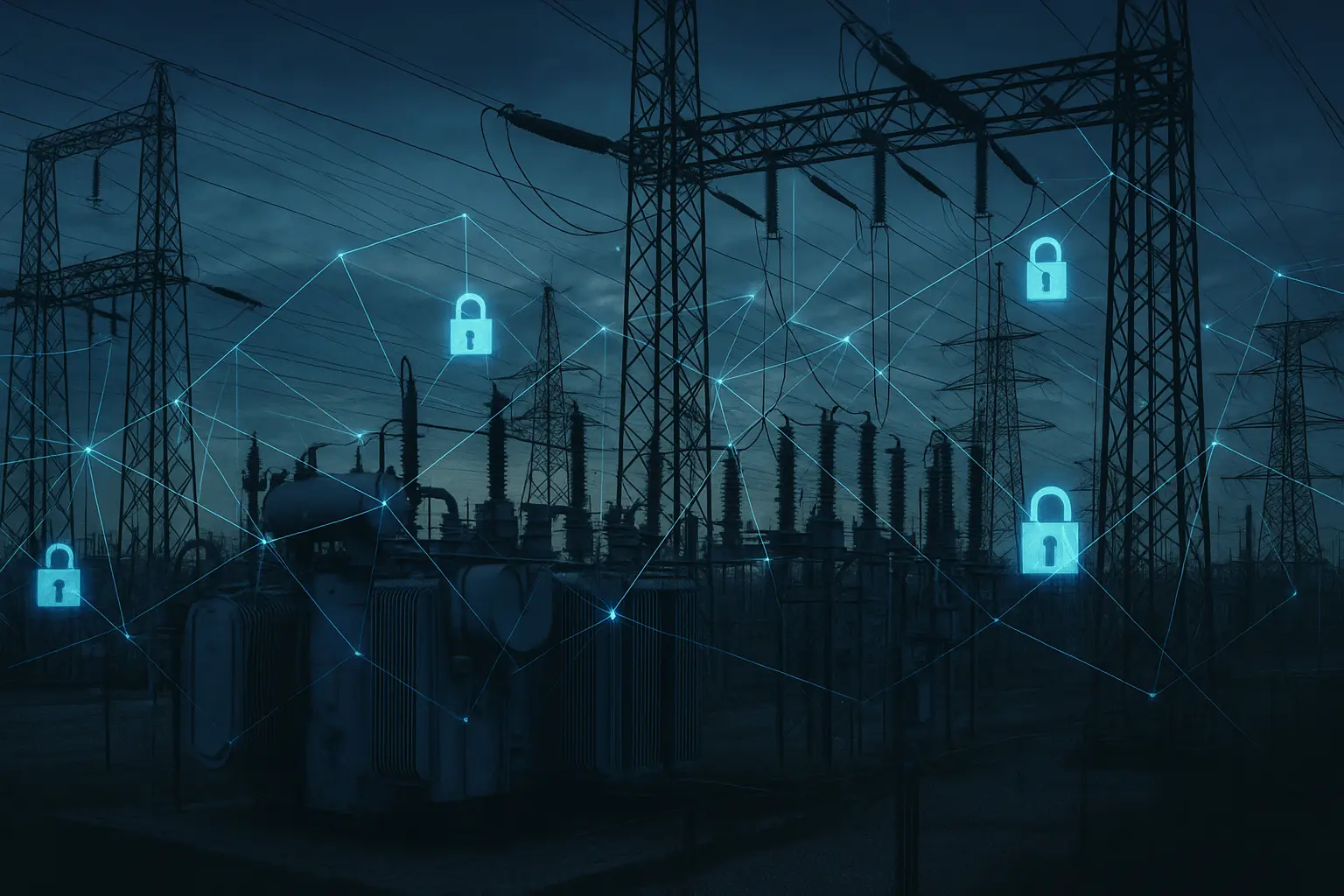
Two Texas electricity providers have been hit by a major Texas electric co-ops ransomware attack, exposing sensitive data and threatening vital infrastructure.
The cybercriminal group Qilin has claimed responsibility, saying it breached both San Bernard Electric Cooperative and Karnes Electric Cooperative. These incidents underscore how vulnerable regional energy systems remain to ransomware threats.
Ransomware Targets Local Utilities
San Bernard Electric Cooperative serves around 28,000 members across eight counties through nearly 4,000 miles of power lines. Karnes Electric Cooperative supports roughly 23,000 homes with almost 5,000 miles of infrastructure.
According to the attackers, they gained access to confidential financial and operational data. Samples of the stolen files were published online as proof of the breach.
Leaked Data and Potential Impact
The leaked files reportedly contain financial reports, vendor contracts, and internal board documents. The hackers also shared spreadsheets listing personal details of staff and executives, including names, addresses, and phone numbers.
If authentic, the exposure could enable social engineering, fraud, or further intrusions into the cooperatives’ systems. Cybersecurity experts warn that such data can also be reused for secondary attacks.
Who Is Behind the Attack
The Texas electric co-ops ransomware attack appears linked to the Qilin ransomware gang, a group with suspected ties to Russia.
Qilin has targeted various industries, including healthcare, manufacturing, and government organizations. In 2025 alone, it claimed over 500 victims worldwide, making it one of the most active ransomware groups this year.
Broader Threat to Critical Infrastructure
Electric cooperatives form part of the United States’ critical infrastructure network. Attacks on them could disrupt power delivery and damage public trust.
Cybercriminals often exploit outdated software and unpatched systems, making smaller utilities appealing targets. Experts say energy providers must enhance cybersecurity training, incident response, and network segmentation to reduce future risks.
Government and Industry Response
Authorities are now working with the affected co-ops to verify the breach and assess damage.
The U.S. Cybersecurity and Infrastructure Security Agency (CISA) continues to warn that ransomware targeting essential services is on the rise. It urges organizations to adopt stronger authentication, timely software updates, and regular offline data backups.
Conclusion
The Texas electric co-ops ransomware attack highlights how even smaller utility providers remain prime targets for cybercriminals.
With groups like Qilin growing more aggressive, the energy sector must invest in proactive defense strategies. Strengthening digital infrastructure and improving awareness are critical to preventing further disruptions in essential power networks.
0 responses to “Texas Electric Co-ops Ransomware Attack Exposes Energy Sector Risks”