


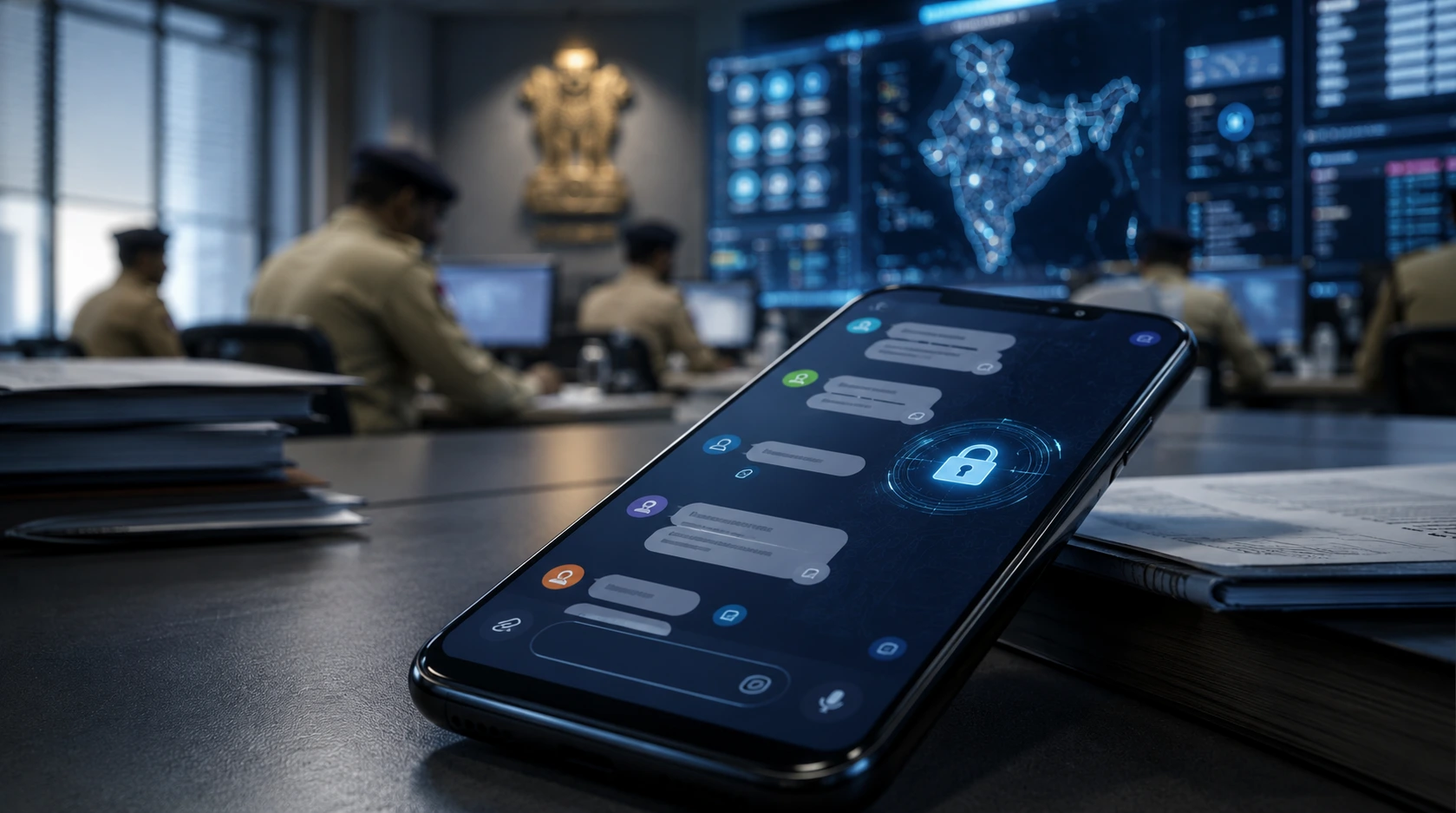
Telegram has challenged a temporary government order in India after authorities blocked access to the messaging app. Officials introduced the restriction over concerns about leaked medical entrance exam questions and cheating. The Telegram India ban is expected to remain in place until June 22nd.
The company has filed a petition in court to overturn the order. Telegram argues that the measure unfairly targets the entire platform instead of the people who leaked the exam materials. The case has also drawn a sharp public response from Pavel Durov, the app’s founder.
Durov criticized the decision on X and said the ban punishes more than 150 million ordinary Telegram users in India. He argued that authorities should pursue the insiders behind the leak rather than restrict access for millions of people.
Durov Says the Ban Misses the Real Problem
Durov claimed that India’s IT ministry banned Telegram for a week after leaked exam questions appeared online. He said the measure fails to solve the core problem because the leaks have moved to other apps.
Telegram has made a similar argument in court. The company says the service has been singled out while other social media platforms remain accessible. It argues that this approach violates Article 14 of the Constitution of India, which protects equality before the law.
The petition also warns that misuse by a small group of users should not justify blocking an entire digital platform. Telegram argues that such reasoning could allow broad restrictions on online services in future cases.
Exam Leaks Create Pressure on Authorities
India has faced repeated concerns about exam integrity. Authorities have taken strict steps in the past when leaked questions threatened major entrance exams. Last month, officials canceled a key undergraduate medical college entrance exam after investigators began probing claims that questions had leaked.
The latest restriction shows how seriously officials treat cheating risks in high-stakes exams. Medical entrance tests can shape academic and career paths for millions of students. Any leak can damage trust in the system and trigger major public anger.
However, the Telegram India ban has also raised questions about proportionality. Critics argue that blocking a full messaging platform can affect users who had no connection to the leaks. Telegram says that approach harms access to communication without stopping the underlying misconduct.
Digital Platforms Face Growing Scrutiny
Governments are placing more pressure on digital platforms during exams and public events. In China, major technology companies recently paused some AI features during the gaokao college entrance exam. The temporary limits affected tools with photo recognition and real-time question-answering features.
Those examples show how authorities now view online services as part of exam security. Messaging apps, AI tools, and social platforms can all help users share information quickly. That speed creates challenges for regulators during sensitive testing periods.
Still, broad platform restrictions can create legal and free speech concerns. Telegram’s petition argues that governments should target the source of illegal activity rather than restrict millions of legitimate users.
Conclusion
The Telegram India ban has placed exam security, platform responsibility, and digital rights into the same legal fight. Indian authorities say the temporary restriction aims to prevent cheating after medical exam leaks. Telegram argues that the order punishes millions of users and fails to stop the leaks. The court challenge could shape how India handles platform restrictions during future exam security incidents.
0 responses to “Telegram India Ban Sparks Durov Backlash”