


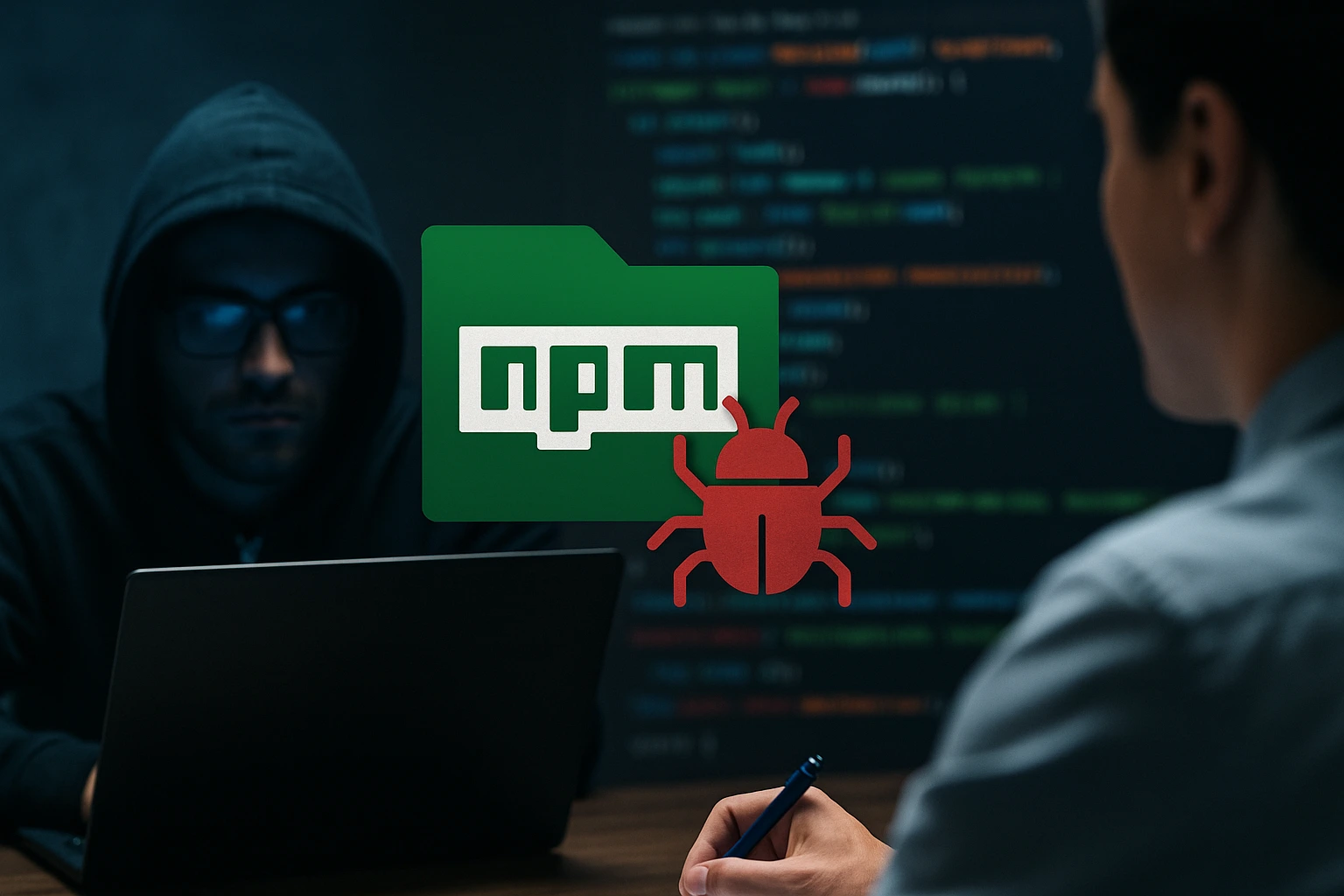
In recent developments within the cybersecurity landscape, a concerning trend has emerged involving the dissemination of malware through a series of deceptive tactics. A surge of ‘fake interviews’ has been identified as a novel method for deploying malicious software. These attacks specifically target developers and organizations via the Node Package Manager (NPM) ecosystem.
This sophisticated scheme involves the creation and distribution of 35 malicious NPM packages. Attackers designed these packages to infiltrate systems while posing as legitimate software components. Once installed, they can execute harmful code. This compromises the security and integrity of affected systems.
The exploitation of NPM, a widely used package manager for JavaScript, underscores the growing need for vigilance. It also highlights the importance of robust security measures to protect against such evolving threats.
Understanding the Threat: How ‘Fake Interviews’ Are Used to Deploy Malware via NPM Packages
In recent months, the cybersecurity landscape has witnessed a troubling development involving the deployment of malware through a novel technique dubbed ‘fake interviews’. This method leverages the popular Node Package Manager (NPM) ecosystem.
Cybercriminals have distributed malicious software through 35 distinct NPM packages. As developers increasingly rely on NPM for its extensive library of reusable code, the platform has become a prime target for exploitation.
The modus operandi involves the creation of seemingly legitimate NPM packages. Once integrated into a developer’s project, these packages surreptitiously introduce malware into the system. The packages are often named and described in a manner that appears trustworthy and professional.
Protecting Your Projects: Best Practices to Avoid Malware from NPM Packages
A new wave of cyber threats has emerged. It targets developers and organizations through a seemingly innocuous channel: fake job interviews. This sophisticated attack vector deploys malware via 35 malicious NPM packages, posing significant risks to software projects worldwide.
As the digital landscape evolves, protecting your projects from such threats is crucial. These attacks are part of a broader trend where cybercriminals exploit trust in developer ecosystems.
By pretending to be legitimate entities, attackers lure developers into downloading malicious packages. Once installed, these packages may execute harmful scripts. They can steal sensitive information or create backdoors into the system.
The Rise of ‘Fake Interviews’: Analyzing the Impact on Software Development
The software development community has faced an alarming rise in a new cyber threat: ‘fake interviews’. This tactic has been deployed through 35 malicious NPM packages. It has significantly impacted developers and organizations that rely on open-source software.
Attackers pose as potential employers or collaborators. They lure developers into downloading compromised packages under the guise of technical assessments or job interviews. These packages then introduce malware into the systems. This compromises both security and data integrity.
The method is both clever and concerning. Cybercriminals exploit the professional aspirations of developers. They create believable scenarios in which targets are asked to complete coding assignments using the malicious packages.
Identifying Malicious NPM Packages: Tools and Techniques for Developers
The rise of ‘fake interviews’ and the deployment of malware through 35 NPM packages have sparked concern among developers and cybersecurity experts. These malicious packages infiltrate the software supply chain.
Understanding how to detect and mitigate such threats is critical. Cybercriminals are growing more sophisticated. They exploit the trust that developers place in widely-used tools like NPM.
Developers must use the right tools and techniques to secure their projects. One of the first steps is inspecting package metadata. This includes carefully reviewing the package name, version, and author information.
Conclusion
The surge of ‘fake interviews’ deploying malware via 35 NPM packages highlights a growing threat in the software supply chain, where attackers leverage trusted platforms to distribute malicious code. This incident underscores the importance of rigorous security practices, such as regular audits of third-party packages, enhanced scrutiny of code dependencies, and the adoption of automated tools to detect and mitigate vulnerabilities. Organizations must remain vigilant and proactive in their cybersecurity efforts to protect against increasingly sophisticated attack vectors that exploit common development processes.
0 responses to “Surge of ‘Fake Interviews’ Deploys Malware via 35 NPM Packages”