


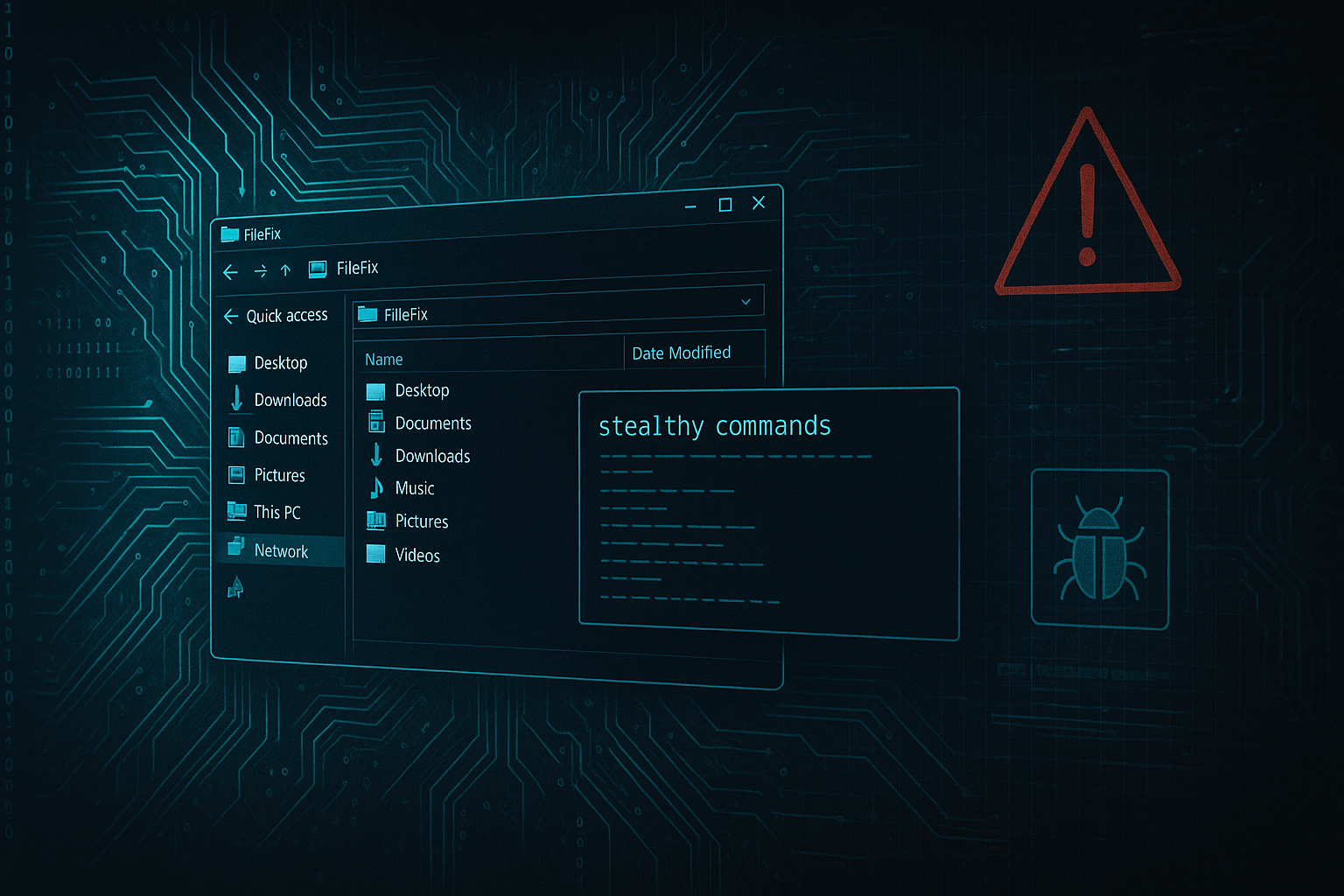
In recent cybersecurity developments, a new threat known as the FileFix attack has emerged, exploiting vulnerabilities within Windows File Explorer to execute stealthy commands. This attack vector leverages seemingly innocuous files to bypass traditional security measures, allowing malicious actors to gain unauthorized access and control over targeted systems. By manipulating the way Windows File Explorer handles certain file types and extensions, attackers can execute commands without raising immediate suspicion, making detection and prevention challenging. The FileFix attack underscores the evolving nature of cyber threats and the critical need for robust security protocols to protect against such sophisticated exploits.
Understanding the New FileFix Attack: Exploiting Stealthy Commands in Windows File Explorer
The recent emergence of the FileFix attack has raised significant concerns within the cybersecurity community, particularly due to its exploitation of Windows File Explorer to execute stealthy commands. This novel attack vector leverages the inherent functionalities of Windows systems, turning a seemingly innocuous file management tool into a conduit for malicious activities. Understanding the intricacies of this attack is crucial for both IT professionals and end-users to safeguard against potential breaches.
At the core of the FileFix attack is the manipulation of Windows File Explorer’s context menu, a feature designed to enhance user experience by providing quick access to various file operations. Attackers have discovered a method to insert malicious commands into this menu, which are executed when a user interacts with certain
Protecting Your System: Mitigating Risks from FileFix Attack Exploits
The recent emergence of the FileFix attack has brought to light a sophisticated method by which cybercriminals exploit Windows File Explorer to execute stealthy commands, posing significant risks to system security. This attack leverages a seemingly innocuous feature within the Windows operating system, where malicious actors manipulate shortcut files, commonly known as LNK files, to execute harmful scripts or commands without raising immediate suspicion. As this threat continues to evolve, understanding how to mitigate the risks associated with FileFix exploits becomes crucial for safeguarding sensitive information and maintaining system integrity.
One of the primary methods by which FileFix attacks are executed involves the strategic placement of malicious LNK files within directories that users frequently access. When a user interacts with these
Analyzing the Impact: How FileFix Attack Utilizes Windows File Explorer Vulnerabilities
The recent discovery of the FileFix attack has raised significant concerns within the cybersecurity community, particularly due to its exploitation of vulnerabilities within Windows File Explorer. This attack, which stealthily executes commands, underscores the persistent vulnerabilities that can be found even in well-established software environments. As we delve into the intricacies of the FileFix attack, it becomes evident that its method of operation and potential impact on users necessitate a closer examination.
To begin with, the FileFix attack leverages specific weaknesses within Windows File Explorer, a ubiquitous tool used by millions for navigating and managing files on their computers. By exploiting these vulnerabilities, attackers can execute unauthorized commands without the user’s knowledge, effectively gaining control over the affected system.
Cybersecurity Strategies: Defending Against Stealthy Command Exploits in File Explorer
In the ever-evolving landscape of cybersecurity, a new threat has emerged that exploits vulnerabilities within Windows File Explorer, known as the FileFix attack. This sophisticated method leverages stealthy command execution to compromise systems, posing significant challenges for cybersecurity professionals tasked with defending against such exploits. Understanding the mechanics of this attack is crucial for developing effective defense strategies and mitigating potential damage.
The FileFix attack is characterized by its ability to execute commands without direct user interaction, exploiting the inherent trust and functionality of Windows File Explorer. By embedding malicious scripts within seemingly innocuous files, attackers can trigger the execution of harmful commands when these files are accessed or previewed in File Explorer. This approach is particularly insidious as it does
Conclusion
The Stealthy Commands Exploited via Windows File Explorer in the new FileFix attack highlight a significant security vulnerability where malicious actors can execute hidden commands by manipulating file properties and metadata. This attack leverages the trust users place in the Windows File Explorer, exploiting its ability to process and display file information. The attack underscores the importance of enhancing security measures within file management systems and the need for users to remain vigilant about the files they interact with. To mitigate such risks, it is crucial to implement robust security protocols, regularly update software, and educate users on recognizing potential threats. This incident serves as a reminder of the evolving nature of cyber threats and the necessity for continuous adaptation in cybersecurity strategies.
0 responses to “Stealthy Commands Exploited via Windows File Explorer in New FileFix Attack”