


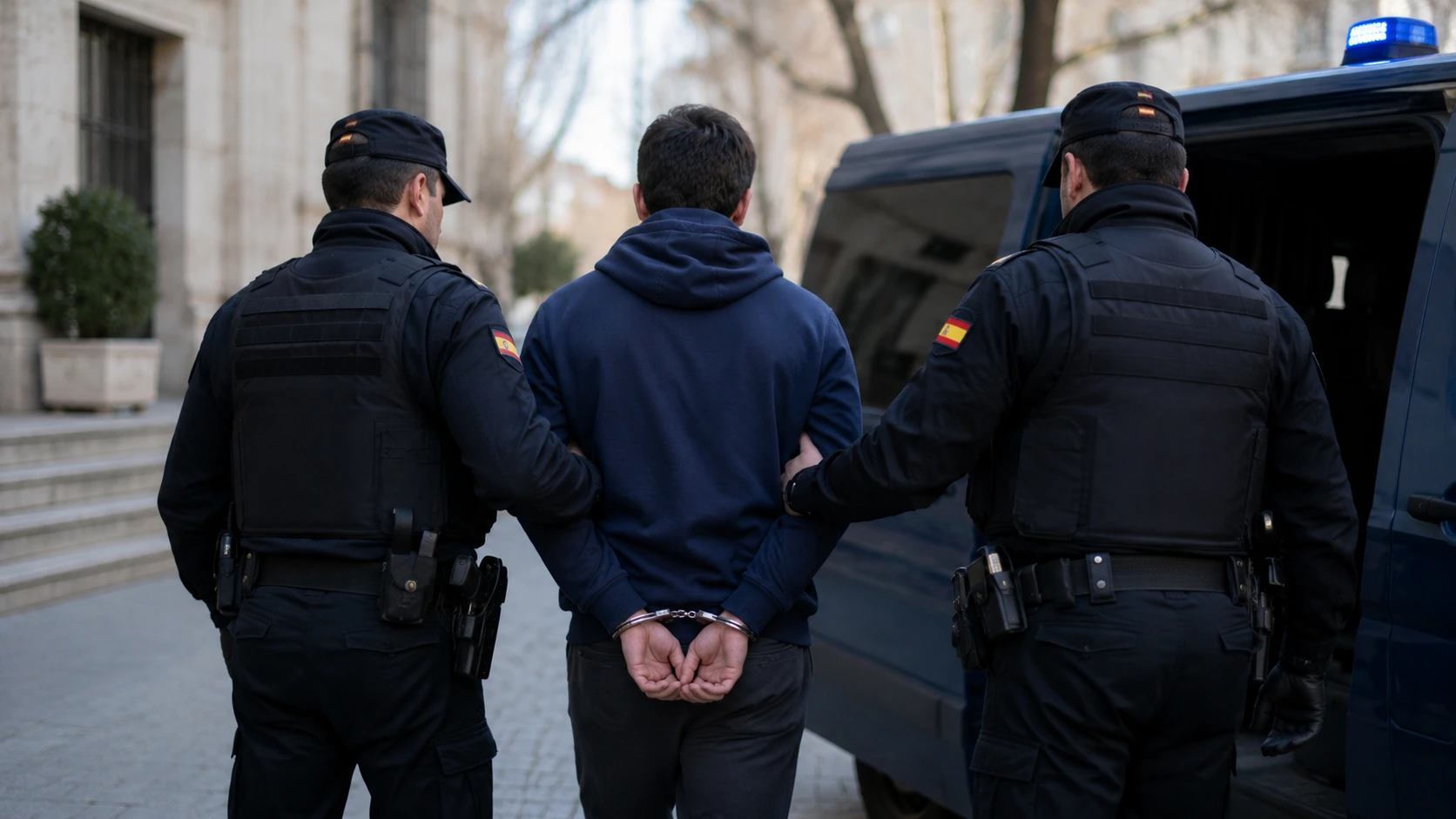
The Spain doxing arrest of a suspected cybercriminal follows an investigation into the online publication of sensitive information belonging to government employees and public officials. Spanish authorities detained a suspect accused of leaking personal records that allegedly affected workers connected to several state institutions.
Investigators believe the exposed information created serious privacy and security risks for the victims. The case also highlights the growing use of doxing campaigns as a form of cyber harassment and intimidation.
Authorities continue analyzing seized evidence while attempting to determine the full scale of the operation.
Authorities Investigated Leaked Government Data
Spanish law enforcement launched the investigation after sensitive personal information connected to government workers appeared online. The exposed records reportedly included details capable of identifying employees and individuals tied to public institutions.
Officials treated the case seriously because leaked government-related data can create national security concerns alongside personal privacy risks. Attackers may use exposed information to support phishing attacks, impersonation schemes, harassment campaigns, or additional cybercrime activity.
Investigators also examined whether the suspect distributed other datasets or maintained connections to broader online communities involved in leaking stolen information.
The investigation eventually led authorities to identify and arrest a suspect believed to be involved in publishing the data online.
Doxing Campaigns Continue Expanding
Doxing involves the public release of private or identifying information without consent. These campaigns often target journalists, politicians, government workers, activists, and online personalities.
Unlike financially motivated cyberattacks, doxing operations frequently aim to intimidate victims or expose them to harassment. In some cases, attackers attempt to pressure organizations by targeting employees directly.
Security experts warn that even limited personal information can become dangerous when combined with data from social media, previous breaches, or public records.
Government employees remain attractive targets because attackers may view them as valuable sources of information or symbols connected to public institutions.
The Spain investigation reflects how cyber threats increasingly involve both technical attacks and psychological pressure campaigns.
Investigators Seized Digital Evidence
Authorities reportedly confiscated digital devices and additional evidence during the arrest operation. Investigators are now reviewing the materials to identify how the suspect allegedly obtained and distributed the leaked information.
Officials have not publicly confirmed whether the exposed records originated from a direct system breach, stolen credentials, insider access, or previously leaked databases.
Investigators are also working to determine whether additional individuals participated in the operation or helped distribute the data online.
The case remains active while authorities continue examining the seized evidence and assessing the wider impact of the leaks.
Public Institutions Face Growing Cyber Risks
The incident highlights the growing cybersecurity challenges facing public institutions across Europe and other regions. Government agencies continue dealing with phishing campaigns, ransomware attacks, credential theft operations, and data exposure incidents.
Even when attackers do not compromise critical infrastructure directly, leaked employee information can still create operational risks. Threat actors may use exposed records to build convincing social engineering campaigns against public workers and contractors.
Cybersecurity specialists recommend that organizations strengthen employee security training, enforce stronger authentication protections, and monitor systems for suspicious activity involving sensitive records.
Incident response planning also remains important because leaked information can spread rapidly once published online.
Conclusion
The Spain doxing arrest marks an important development in an investigation involving leaked personal information tied to government employees and public institutions. Authorities continue reviewing digital evidence to determine how the data was obtained and whether additional suspects were involved.
The case demonstrates how doxing campaigns continue evolving into serious cybersecurity and privacy threats. As attackers increasingly target individuals connected to public organizations, protecting sensitive personal information remains a critical security priority.
0 responses to “Spain Doxing Arrest Follows Leaks Targeting Government Employees”