


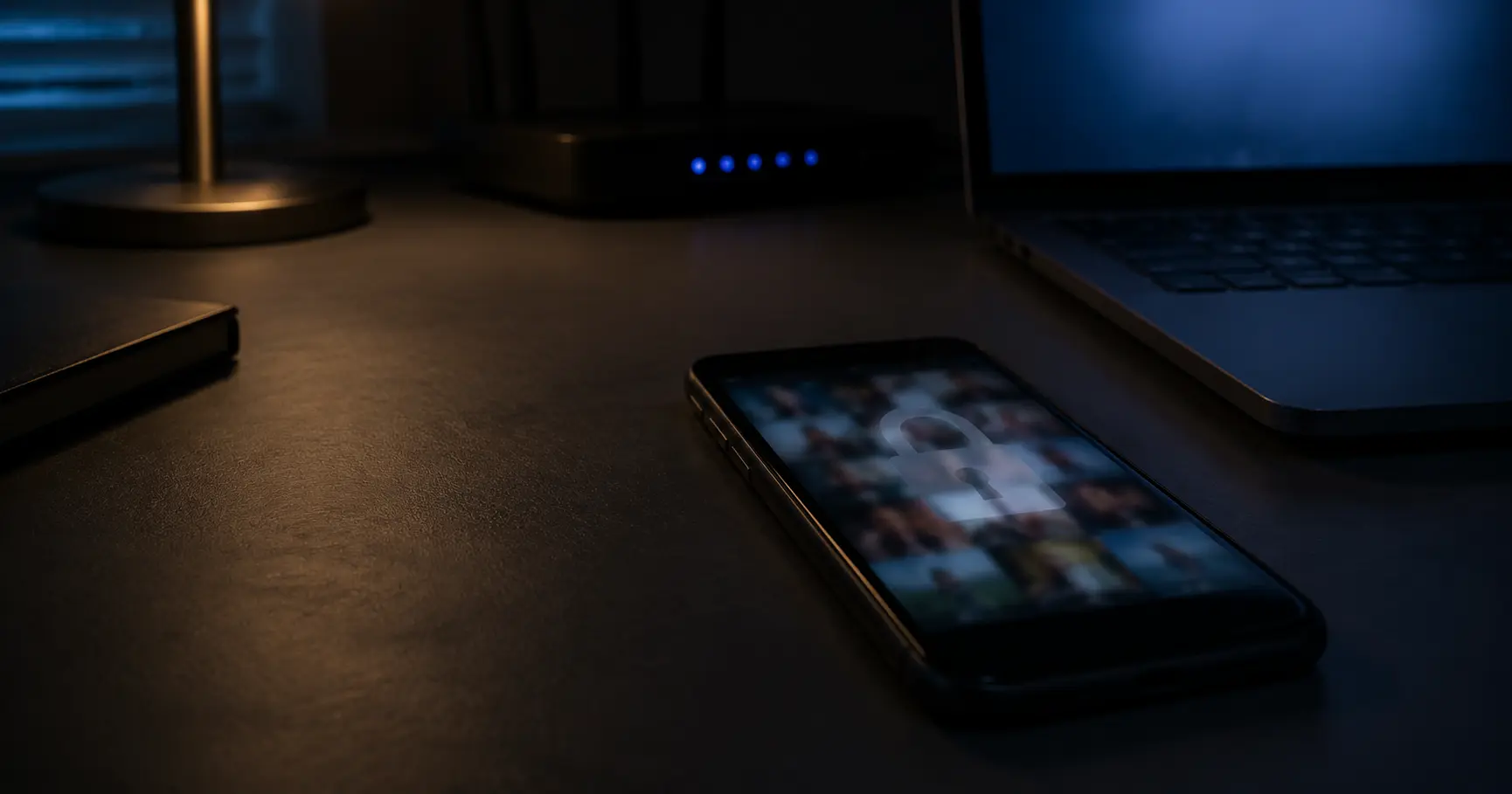
Social media account hacks are exposing victims to serious privacy and safety risks. The FBI has warned that criminals are using stolen access to find, share and sell intimate photos and videos.
Attackers often pair explicit material with a victim’s personal information. This can lead to harassment, extortion and repeated abuse long after the original account breach.
The warning highlights how a seemingly routine phishing message can cause lasting harm. Criminals target both specific people and large groups of users who may reuse passwords or trust fake support messages.
Hackers use fake support messages
Many attacks begin with an email or message that appears to come from a social media platform. The sender may claim someone tried to access the account or that suspicious activity triggered a security review.
These messages often direct victims to a fraudulent website. Once users enter their login details, criminals can take control of the account.
In other cases, scammers say the platform will suspend or delete an account unless the user responds quickly. They then ask the victim to share a verification code. That code can allow the attacker to reset the password and lock the real account owner out.
Social media account hacks can move quickly after that point. Criminals may search private messages, photo archives and cloud-linked folders for sensitive content.
Brute-force attacks add another risk
The FBI also warned about brute-force attempts. Attackers use automated tools to test large numbers of username and password combinations until they find a working match.
They often rely on credentials leaked in earlier data breaches. Password reuse makes this tactic especially dangerous. A password exposed through one service may unlock a social media account years later.
After gaining access, criminals can copy intimate images and share them on forums or illegal marketplaces. They may also publish names, dates of birth, email addresses, phone numbers or account usernames alongside the content.
That information can make victims easier to identify and target. It can also increase the emotional and practical impact of the breach.
How users can protect their accounts
The FBI advises people not to store explicit photos or videos on social media platforms or other internet-connected services. Reducing online exposure limits what criminals can steal during an account takeover.
Users should also create strong, unique passphrases for every account. Personal details, including birthdays and family names, make weak password choices.
Multi-factor authentication adds another layer of protection. It can stop attackers even when they obtain a password. However, users should never share authentication codes with anyone who contacts them unexpectedly.
Finally, people should treat password-reset emails and urgent account alerts with caution. Open the official website or app directly instead of using a link in a message.
Conclusion
Social media account hacks can turn private content into a source of long-term abuse. Strong passwords, multi-factor authentication and scepticism toward unexpected messages can help users protect their accounts and their privacy.
0 responses to “Social Media Account Hacks Target Intimate Images”