


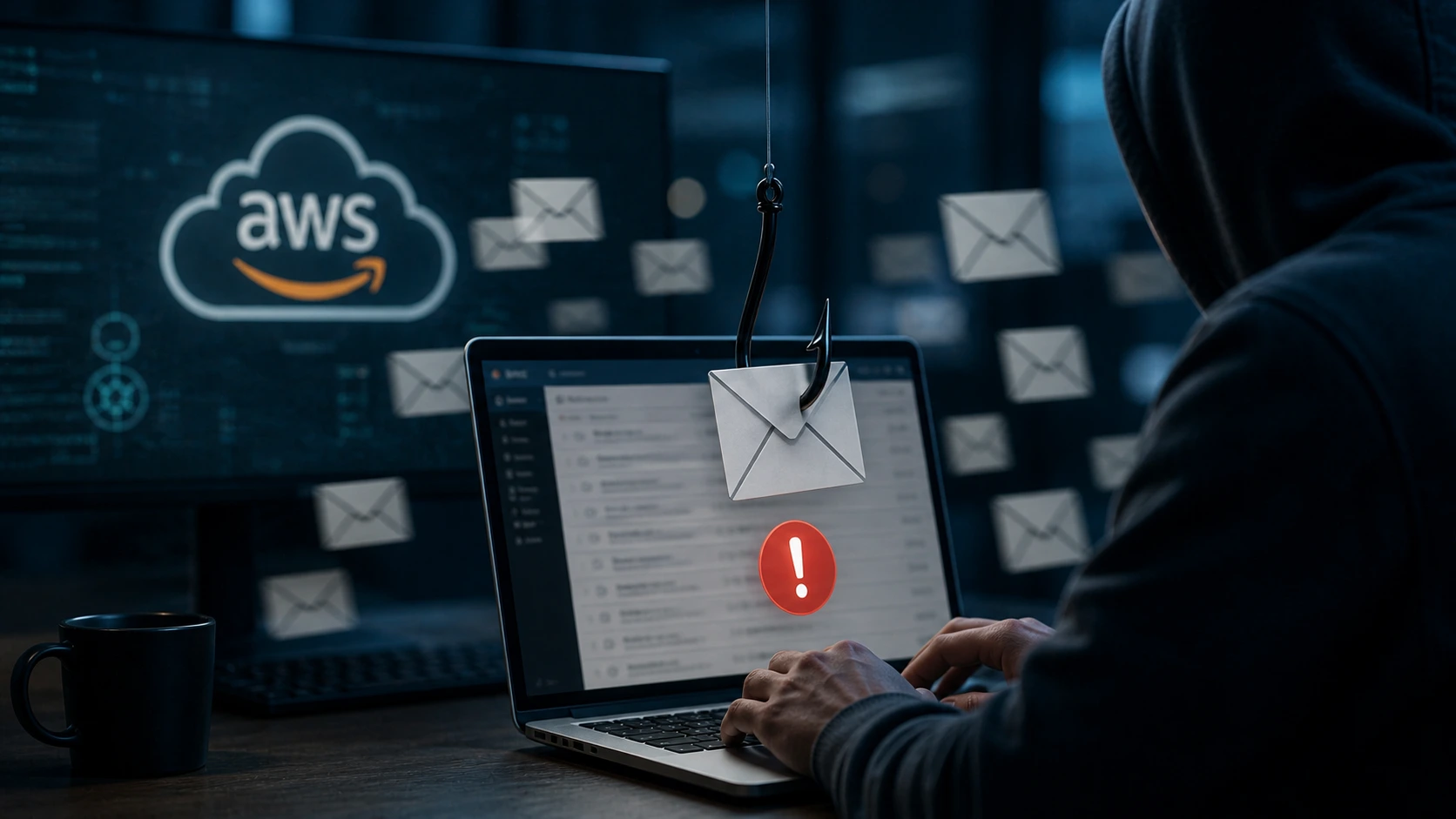
A growing ses phishing trend is raising concerns across the cybersecurity landscape. Attackers now exploit Amazon’s email infrastructure to send convincing phishing messages that slip past traditional security controls. Because these emails come from a trusted source, they often reach inboxes without triggering alerts.
This shift shows how attackers adapt their methods. Instead of relying on suspicious domains, they use legitimate services to gain credibility and improve delivery success.
Trusted Email Service Enables Abuse
The ses phishing technique works because attackers operate through a widely trusted email platform. Organizations rely on this service for transactional and automated messages, which makes it a reliable delivery channel.
Security systems often treat these emails as safe because they meet standard authentication checks. This allows malicious messages to bypass filters that would normally block unknown senders.
As a result, attackers can distribute phishing emails without building their own infrastructure.
Stolen Credentials Fuel Campaigns
The rise in ses phishing activity is closely tied to exposed cloud credentials. Attackers search public repositories and misconfigured systems for leaked access keys.
Once they gain access, they can send emails directly through legitimate accounts. Automated tools help them scale this process, which allows campaigns to grow quickly.
This method removes the need for complex setups and lowers the barrier for launching large phishing operations.
Emails Pass Authentication Checks
The ses phishing method allows emails to pass common authentication standards. Messages often meet verification requirements, which makes them appear legitimate to both users and security tools.
Attackers also include redirect links that lead victims to malicious pages. Users trust the source and click without hesitation, which increases the risk of credential theft.
This combination of trust and technical compliance makes detection more difficult.
Attack Volume Continues to Grow
The ses phishing trend shows how attackers evolve with modern defenses. They focus on exploiting trusted systems rather than bypassing them directly.
This approach allows them to send large volumes of phishing emails while maintaining high delivery rates. It also complicates response efforts, since blocking the service would affect legitimate communication.
As these campaigns expand, they continue to challenge traditional email security strategies.
Conclusion
The ses phishing surge highlights a shift toward abusing trusted infrastructure instead of creating new attack channels. Attackers use legitimate services to increase credibility and bypass filters.
Organizations must protect access credentials and monitor cloud activity closely. Users should stay cautious and verify unexpected emails, even when they appear to come from trusted sources.
0 responses to “SES Phishing Campaign Exploits Amazon Email Service”