


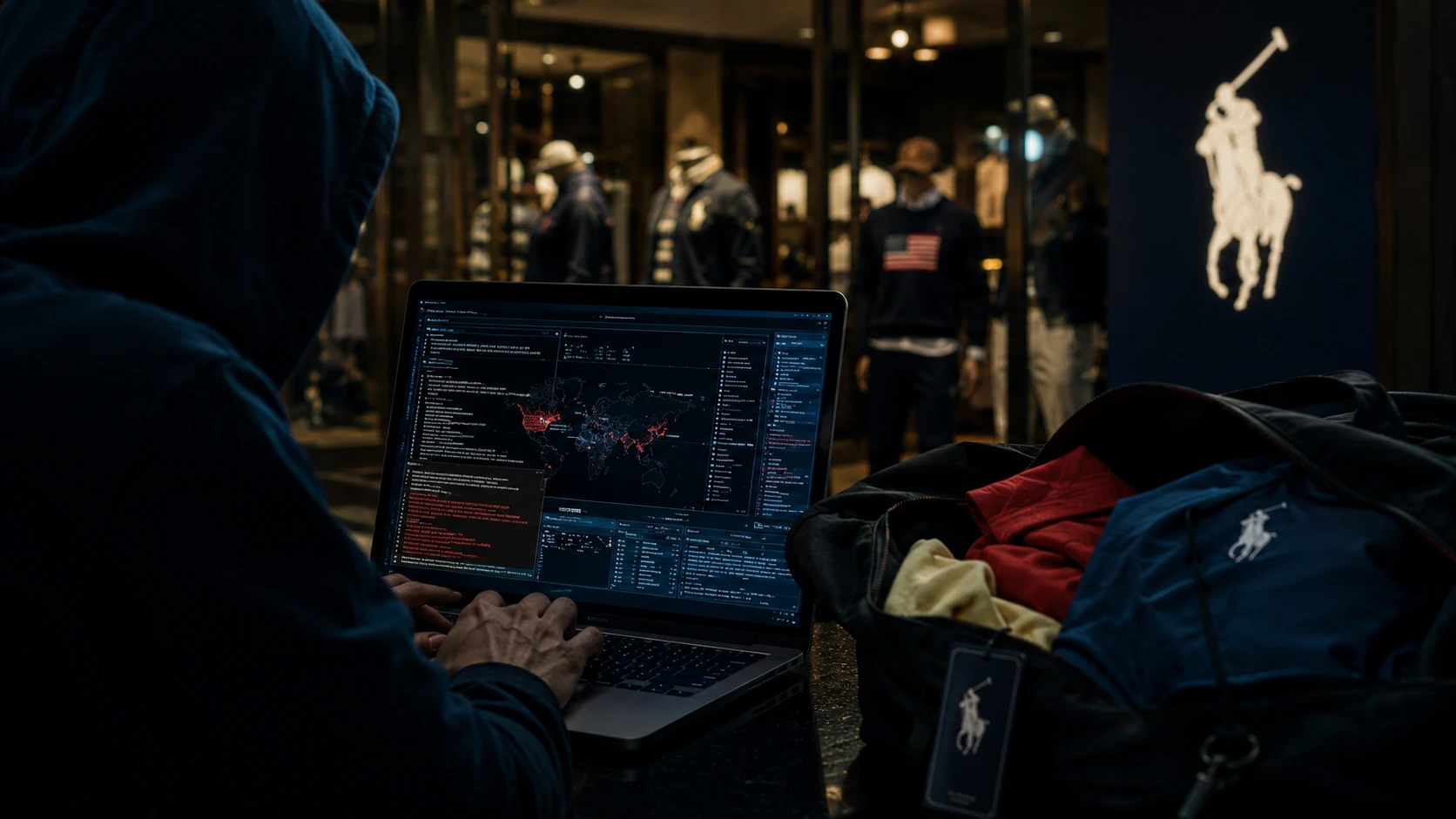
A hacker group claims it stole more than 220GB of sensitive information from luxury fashion company Ralph Lauren. The allegations emerged after the cybercriminal collective ShinyHunters listed the company on its dark web leak site and threatened to release the data publicly.
The group claims the dataset contains customer information, transaction records, and confidential corporate files. Ralph Lauren has not publicly commented on the allegations, and security researchers have not independently verified the claims. Even so, the incident highlights the growing threat that extortion groups pose to global brands.
Hackers Claim They Stole 220GB of Information
ShinyHunters claims it obtained more than 220GB of data from Ralph Lauren’s systems. According to the group’s post, the files contain customer records, transaction details, and information about future products that have not yet reached the market.
The threat actors also claim the dataset includes details about products planned for release in 2027 and later years. If accurate, the leak could expose valuable business information alongside customer data.
At the time of publication, the group had not shared enough evidence for researchers to confirm the authenticity of the claims. Without additional proof, researchers cannot determine the full scope of the alleged incident.
Threat Actors Set a Leak Deadline
The hackers reportedly threatened to publish the data if they fail to reach an agreement with the company. According to their post, they plan to release the information after June 14 if negotiations do not succeed.
Cybercriminal groups frequently use this tactic during extortion campaigns. Instead of encrypting systems, they steal data and pressure organizations by threatening public exposure.
Security experts discourage organizations from paying extortion demands. Criminals rarely offer guarantees, and many groups continue to sell or leak data even after receiving payment.
Customer Information Could Fuel Fraud Attempts
If the claims prove accurate, cybercriminals could use the stolen information in phishing campaigns, identity theft schemes, and social engineering attacks.
Attackers often combine leaked customer records with publicly available information. This approach helps them craft convincing messages that appear legitimate and increases the likelihood that victims will respond.
Transaction records could also reveal purchasing habits and other personal details. Criminals may use that information to build highly targeted scams that mimic genuine communications from trusted brands.
ShinyHunters Continues Targeting Major Brands
ShinyHunters remains one of the most active cybercriminal groups operating today. Researchers connect the group to numerous high-profile breaches involving technology companies, retailers, and other large organizations.
The group frequently uses data theft and extortion tactics to pressure victims. Despite multiple law enforcement actions against cybercriminal networks, ShinyHunters continues to appear in investigations involving major security incidents.
Its continued activity demonstrates how difficult it remains to disrupt established cybercrime operations.
Final Thoughts
The Ralph Lauren data breach claim has attracted attention because of the alleged size of the dataset and the types of information involved. The hackers claim they stole customer records, transaction data, and confidential product information, but researchers have not independently verified those allegations.
Until researchers confirm the data, readers should approach the claims with caution. Nevertheless, the incident highlights the ongoing risks that data theft and extortion groups create for major global brands and their customers.
0 responses to “Ralph Lauren Data Breach Claim Involves 220GB of Data”