


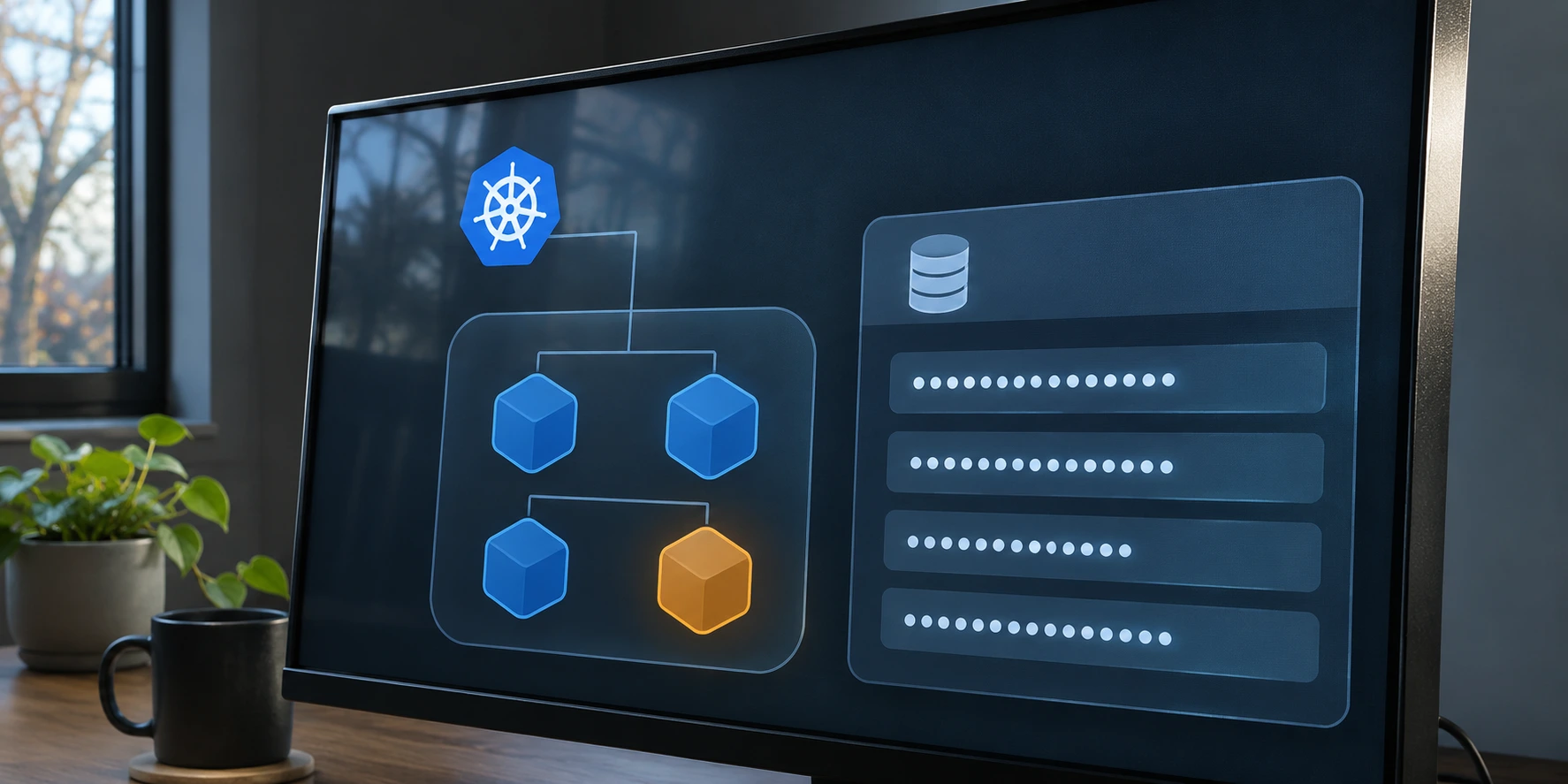
The Rackspace Spot breach gave attackers access to credentials inside customer Kubernetes clusters on November 17. Rackspace said the attackers used leaked credentials to act as legitimate users and run unauthorized workloads on its cloud platform.
Rackspace placed the activity between approximately 00:20 and 22:00 UTC. A customer alerted the company on November 18. That same day, Rackspace confirmed that the organization that later received its breach notice was among those affected.
Why the exposure extends beyond the cluster
Organizations use Rackspace Spot to manage applications that run in containers. Inside some customer clusters, the attackers could create pods, which run those containers, and list the cluster’s nodes and storage volumes. They could also read Kubernetes Secrets. Applications use these records to store credentials such as database passwords, authentication tokens and API keys.
According to Rackspace, the attackers could have read any Secret in an affected user’s clusters. The potential exposure also covered that user’s Spot API tokens and refresh tokens. A database password stored in a cluster, for example, could still grant access to the database after Rackspace ended the attacker’s session. As of November 21, Rackspace had not disclosed how many customers the breach affected or whether the attackers stole customer data.
Customers face a separate credential reset
Rackspace revoked affected tokens and sessions, removed the unauthorized pods and rotated keys. It also tightened access controls and monitoring. For customers, however, a separate task remained: replacing the credentials their own applications and automation tools relied on.
The company asked affected customers to issue new Spot API tokens, replace refresh tokens in automation tools and download fresh Kubernetes configuration files. It also advised them to rotate credentials stored in cluster Secrets and check activity logs dating back to November 17. That review covers databases, container registries, Git repositories, cloud storage and third-party services where someone could have used an exposed credential.
Console shutdown delayed customers’ response
During the response to the Rackspace Spot breach, customers temporarily lost access to the administration console. That prevented them from managing clusters and rotating potentially exposed credentials through the console. Sirish Raghuram, co-founder of Platform9, which co-developed Spot, said the team deliberately shut down access while it secured the environment. After several delays, Rackspace announced that it had fully restored the service on November 21.
0 responses to “Rackspace Spot breach exposes Kubernetes secrets”