


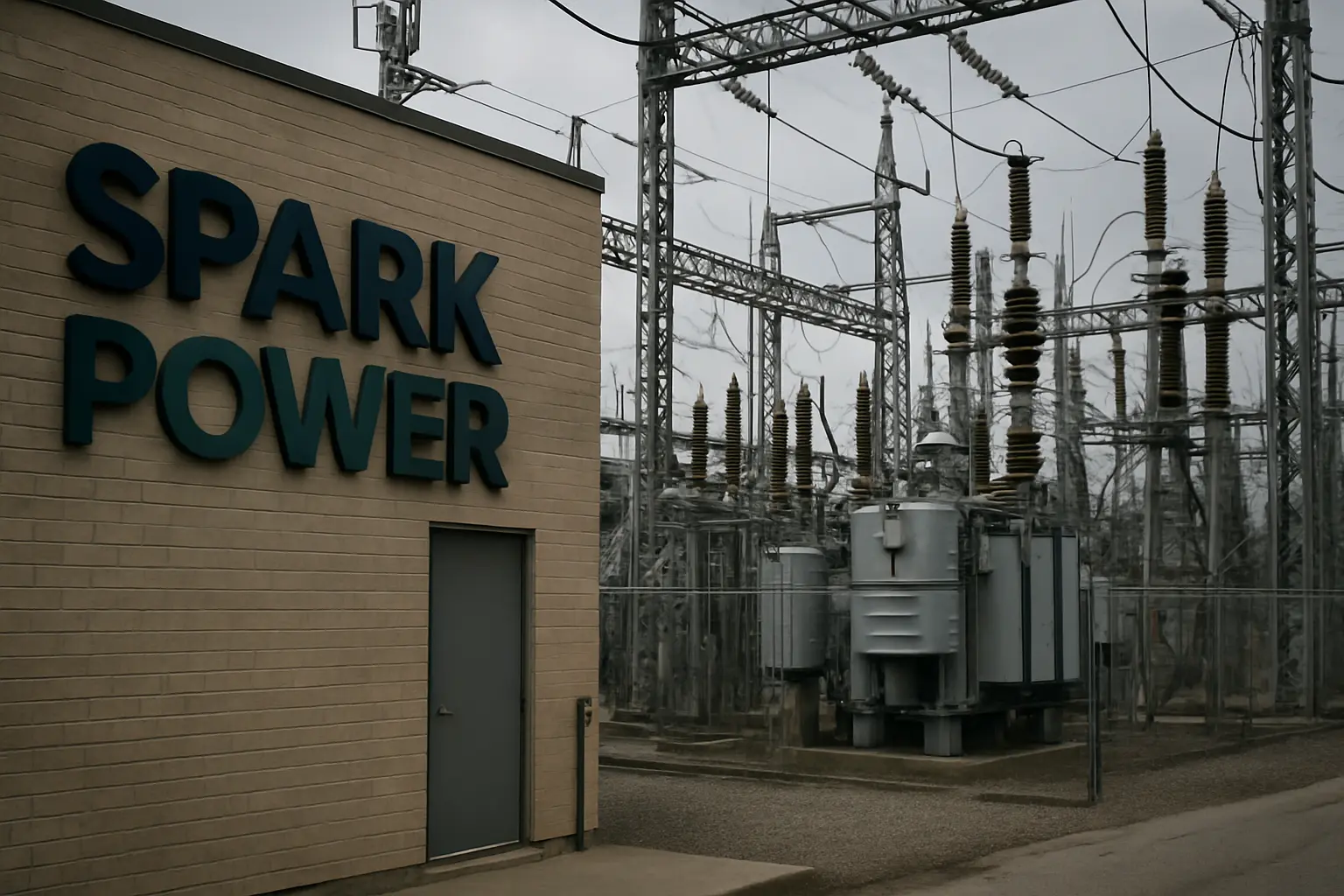
The Qilin ransomware attack on Spark Power has intensified concerns about cybersecurity in the energy sector. The threat group claims it has stolen 222 gigabytes of internal data from the utility contractor, raising fears about operational disruption and exposure of sensitive information. The incident underscores how energy and critical-infrastructure providers have become high-value targets in the ongoing surge of ransomware activity.
Attackers Claim Massive Data Haul
Qilin listed Spark Power on its leak site and alleged it had acquired a large volume of company data. The group has not yet published samples, but the claim alone has triggered alarm among cybersecurity experts. Stolen files could range from financial documents and internal communications to engineering data, maintenance schedules, or customer information.
Spark Power operates across the United States and Canada, providing electrical contracting, engineering, and operations services. Any compromise of its internal systems risks slowing field work, delaying equipment maintenance, or affecting service availability for clients that rely on the company’s infrastructure expertise.
A Growing Focus on Utilities
The Qilin ransomware attack reflects a broader shift in criminal strategy. In recent years, Qilin has increasingly targeted organizations responsible for essential services. Utilities, especially those working with electrical distribution and maintenance, have become prime targets because attackers assume they will pay quickly to avoid downtime.
The energy sector’s mix of legacy operational technology, aging equipment, and interconnected networks creates a complex environment where attackers can cause severe disruption. Threat groups monitor these weaknesses and exploit them through phishing, credential theft, and exploitation of remote-access systems.
Why the Sector Faces Elevated Risk
Critical-service providers deal with urgent response timelines. When attackers gain leverage over systems that control maintenance scheduling, power distribution, or field operations, they can create cascading effects across the grid. Even a partial outage or delayed response may impact thousands of customers.
Additionally, many companies in the sector rely heavily on contractors and subcontractors. This expands potential attack surfaces and increases supply-chain vulnerabilities. Spark Power’s role as a cross-border service provider makes it an attractive target for threat groups seeking maximum impact.
Recommended Actions for Utilities
Cybersecurity specialists emphasize the need for rapid detection and strict network segmentation between IT and operational systems. Utilities should routinely test offline backups, restrict access privileges, enforce multi-factor authentication, and implement continuous monitoring of unusual data movement.
Organizations must also review third-party risks, since many breaches originate through vendors or contractors with weaker security controls. Incident response plans should be updated regularly to ensure teams can act fast during an active ransomware attempt.
A Warning for Critical Infrastructure
The Qilin ransomware attack on Spark Power illustrates how cybercriminals now treat critical infrastructure as a primary target. The potential consequences range from damaged equipment and delayed operations to exposure of sensitive industrial data. As threat groups strengthen their tactics, energy and utility providers must increase investment in resilience and cyber readiness.
Conclusion
The Qilin ransomware attack highlights the escalating danger facing the energy sector. With claims of 222GB stolen data from Spark Power, the incident reinforces how vulnerable essential service providers remain in today’s threat landscape. Stronger defenses, faster detection, and robust response strategies are now unavoidable requirements for every company that helps keep the power grid running.
0 responses to “Qilin Ransomware Attack Hits Spark Power With Claimed 222GB Data Theft”