


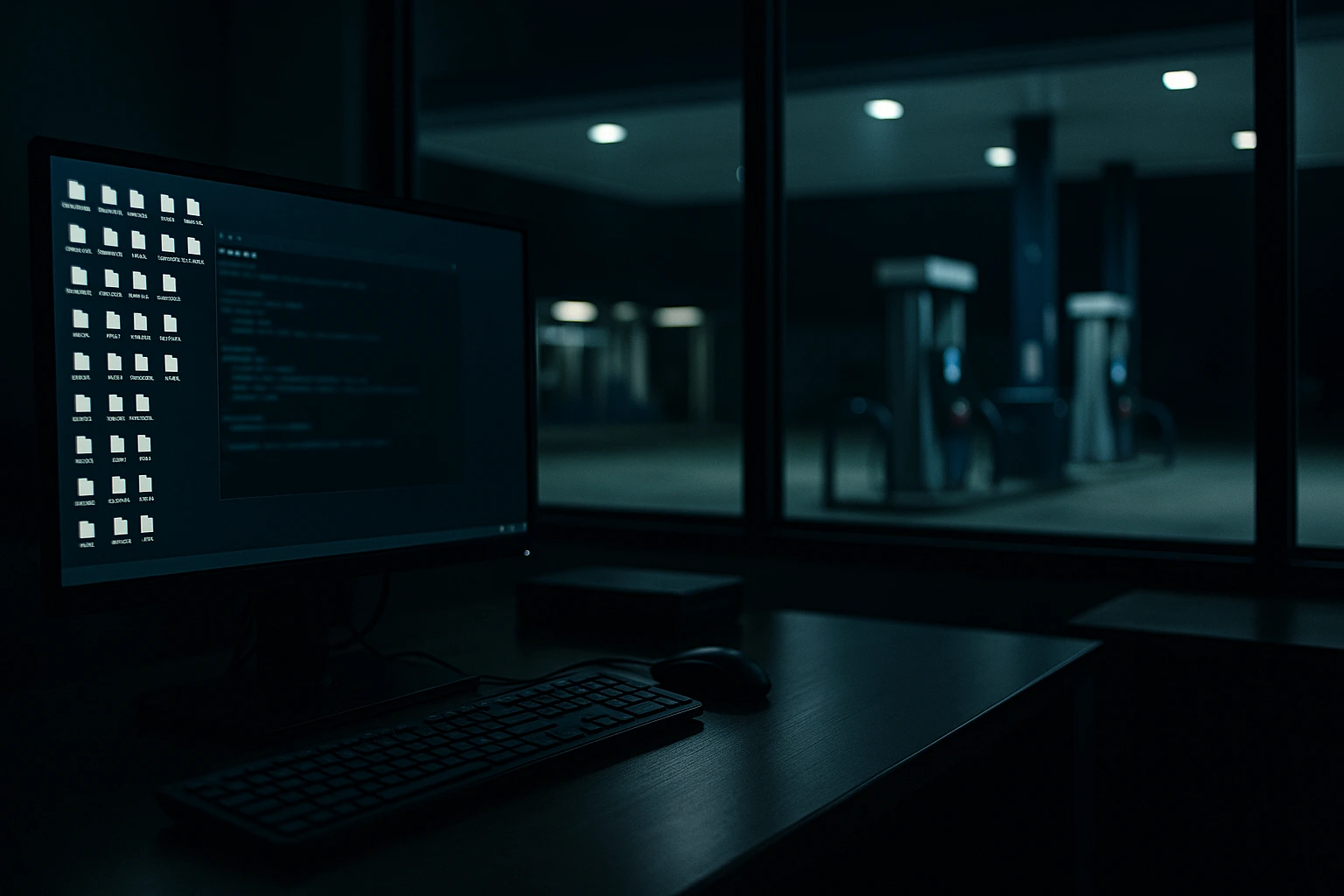
A Play ransomware leak has disrupted Super Quik, a regional gas-station and convenience-store chain. Attackers published internal files and camera recordings after claiming to infiltrate company systems. The breach pushes fuel-retail security concerns into the spotlight, especially for operators outside the Fortune-500 world.
What Happened
Super Quik runs dozens of fuel and convenience locations across several U.S. states. According to the attackers, they pulled sensitive information from company servers and then released it online when negotiations stalled.
The leaked data reportedly includes:
• Payroll documents listing employee names and pay details
• Daily sales reports and internal financial performance breakdowns
• Invoices for equipment, maintenance, and store upgrades
• HR training notes and operational files
• Surveillance clips from inside and outside retail locations
The presence of CCTV footage stands out. Retail video systems often capture employees, customers, and routine business operations. Publishing that type of material increases privacy exposure beyond typical financial-file leaks.
Why This Attack Matters
Fuel retailers sit at a busy intersection: digital payment systems, supply chains, physical stores, and constant customer traffic. They are essential and accessible at the same time. That combination turns regional operators into high-value targets.
This incident also highlights how ransomware strategy continues shifting. Encryption still matters, but public embarrassment and data exposure now drive pressure. Attackers focus on leverage, not just disruption.
For staff, the leak raises practical concerns. Payroll files contain personal details and salary information, which can fuel identity-theft attempts or social-engineering scams. For customers, visible camera footage creates an uncomfortable reminder that cyber incidents no longer stay inside IT systems.
Who Is Behind It
The Play ransomware group has become known for rapid-fire extortion campaigns. The group steals information first, then uses publication threats to control the negotiation timeline. Their victim list touches public-sector institutions, industrial firms, service networks, and now regional fuel companies.
Target selection follows opportunity, not brand size. Smaller-scale operators with steady revenue and distributed tech environments fall into the threat range just as easily as national chains.
How Companies Can Respond
Retail-fuel operators benefit from tightening foundational security controls:
• Limit remote access and enforce multi-factor authentication
• Split point-of-sale, camera, and corporate systems into separate networks
• Track data transfers for unusual spikes or irregular patterns
• Maintain offline backups and validate recovery regularly
• Train staff to recognise phishing and credential theft techniques
• Establish internal and external communication plans in advance
Preparation matters because incidents move quickly. Once attackers steal data, response time shrinks.
Conclusion
The Play ransomware leak at Super Quik reflects a broader shift in attacker focus and tactics. Data exposure, video publication, and targeted extortion add real-world pressure to businesses that operate in everyday communities. Regional fuel and convenience chains must view cybersecurity as core infrastructure, not an IT add-on. Protection today means safeguarding people, stores, and trust at the same time.
0 responses to “Play Ransomware Leak Impacts Super Quik Gas Chain”