


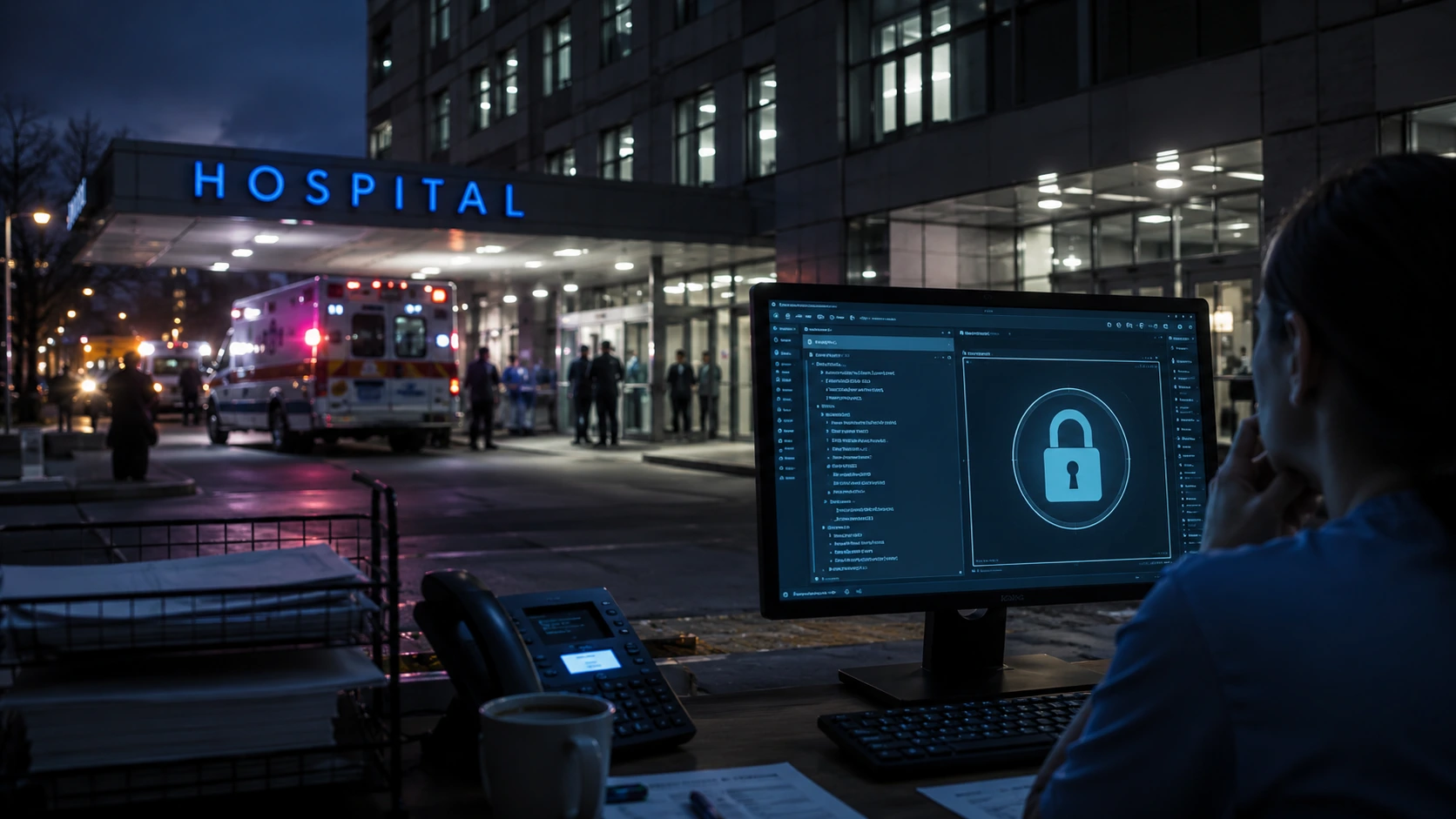
A major NYC Health breach exposed sensitive medical records, fingerprint data, and personal information belonging to around 1.8 million people. The incident affected NYC Health + Hospitals, the largest public healthcare system in the United States.
Researchers said attackers gained unauthorized access to systems for several months before the breach was discovered. During that period, cybercriminals reportedly copied large amounts of highly sensitive patient and employee information.
Hackers Accessed Medical and Biometric Data
NYC Health + Hospitals confirmed that attackers accessed systems between November 2025 and February 2026. The organization later discovered that cybercriminals had stolen files containing medical, financial, and identity-related information.
The exposed data reportedly included:
- Medical records and treatment information
- Insurance and billing details
- Social Security numbers
- Passport and driver’s license information
- Payment card data
- Fingerprint and palm print scans
- Personal contact information
Security experts warn that biometric data theft creates especially serious risks because victims cannot replace fingerprints the same way they can reset passwords or bank cards.
Researchers say stolen biometric information may remain useful to criminals for years, especially when combined with healthcare records and government identification data.
Third-Party Access Played a Role
According to reports, attackers initially gained access through a third-party vendor connected to NYC Health + Hospitals systems. The incident highlights the growing cybersecurity risks tied to external service providers and healthcare supply chains.
Modern healthcare organizations depend heavily on cloud services, software vendors, contractors, and connected digital platforms. Attackers increasingly target those external connections because they often provide indirect access to sensitive internal systems.
Security analysts continue warning that third-party compromises remain one of the biggest threats facing healthcare infrastructure today.
Healthcare Systems Remain Prime Targets
The NYC Health breach reflects a broader rise in cyberattacks targeting hospitals and healthcare providers worldwide. Medical organizations store enormous amounts of sensitive personal information, making them attractive targets for cybercriminal groups.
Healthcare networks also operate with highly interconnected systems that can be difficult to secure consistently across large organizations. Many providers still rely on aging infrastructure while simultaneously expanding digital services and cloud-based platforms.
Researchers warn that attackers increasingly focus on healthcare environments because stolen medical data carries long-term value on underground markets. Criminals can use the information for identity theft, fraud, insurance scams, phishing campaigns, and social engineering attacks.
Large healthcare breaches can also create operational disruption risks that affect patient care and emergency services.
Why Biometric Data Exposure Matters
Biometric data creates unique security concerns because it cannot easily be replaced after exposure. Fingerprints and palm scans may continue creating risks long after the initial breach occurs.
Security experts warn that attackers can combine biometric information with medical records, financial data, and government identification documents to build detailed identity profiles on victims.
That information may later support sophisticated fraud operations or targeted phishing attacks designed to impersonate trusted institutions.
Researchers continue urging organizations to limit unnecessary biometric data storage and strengthen protections surrounding sensitive authentication systems.
Conclusion
The NYC Health breach exposed how damaging healthcare cyberattacks can become when attackers gain prolonged access to sensitive systems. Cybercriminals reportedly stole medical records, government identification data, financial details, and biometric information affecting nearly 1.8 million people. Security experts warn that healthcare providers must strengthen vendor oversight, network security, and monitoring practices as attackers continue targeting critical medical infrastructure.
0 responses to “NYC Health Breach Exposed Records of 1.8 Million People”