


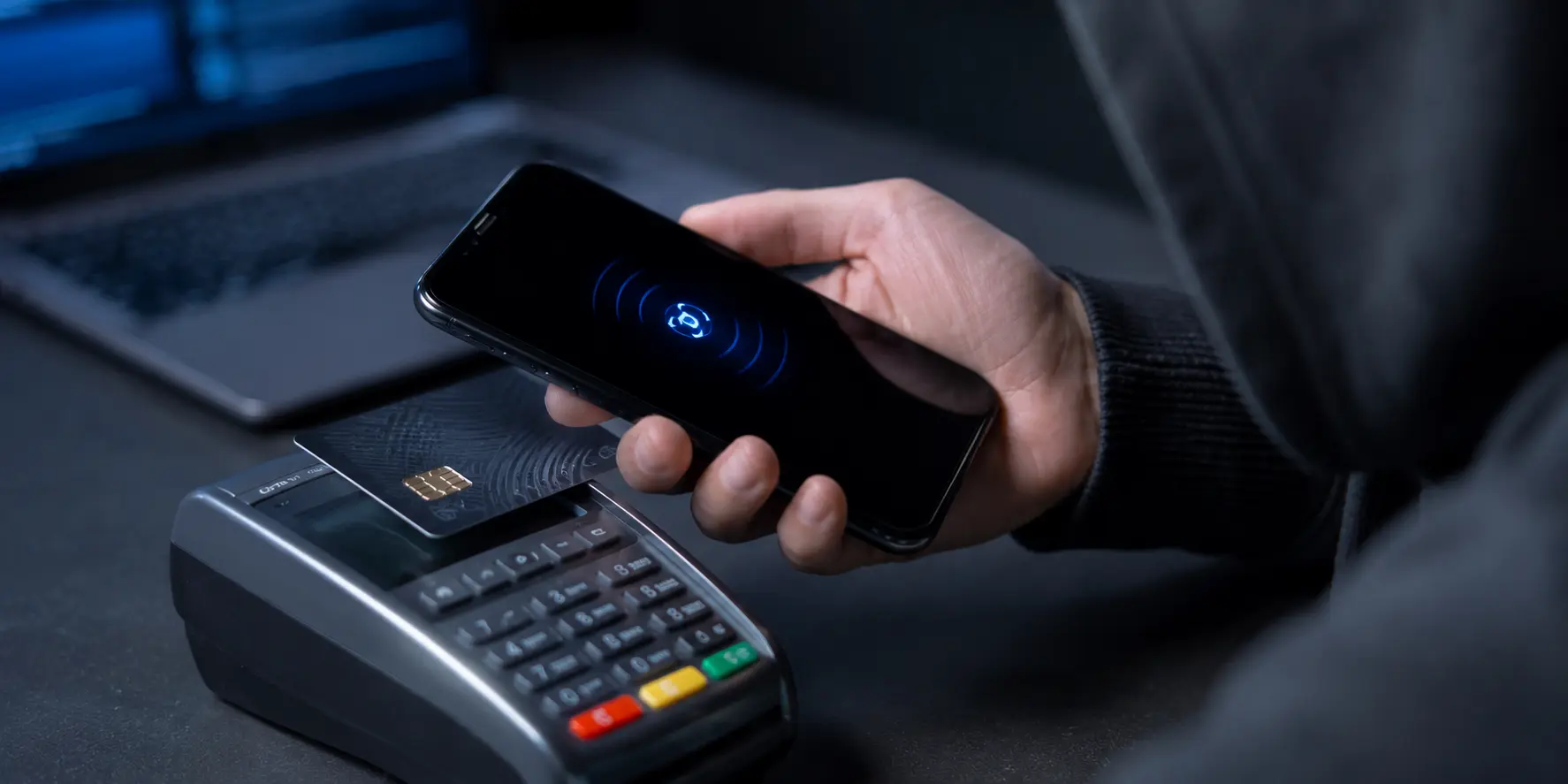
Security researchers have uncovered a new NFCShare malware campaign that targets Android users through fake banking app updates hosted on GitHub. The operation impersonates legitimate banks and financial institutions, convincing victims to install malicious applications that steal payment card data and enable fraudulent transactions.
Researchers say the campaign has expanded significantly in recent months, targeting customers of multiple banks across Europe. The malware’s operators rely on social engineering rather than software exploits, making user interaction a critical part of the attack.
Attackers Disguise Malware as Banking Updates
The campaign begins with phishing messages that direct victims to websites impersonating legitimate banks. These sites claim that users must install a security update, verify their identity, or update their banking application.
Instead of downloading a legitimate app, victims install a malicious Android package hosted on GitHub. Because GitHub is a trusted platform, some users may view the download as legitimate and ignore warning signs.
After installation, the malware requests permissions that allow it to carry out its fraudulent activity and communicate with attacker-controlled systems.
Malware Abuses NFC Technology
Unlike traditional banking trojans that focus on stealing login credentials, NFCShare targets payment card information.
The malware instructs victims to place their payment card against the back of their Android device. Using the phone’s NFC functionality, the malicious app reads data directly from the card’s chip.
The application then prompts victims to enter their card PIN under the pretense of completing a verification process. Once attackers obtain both the card data and PIN, they can use the information in NFC relay attacks and other forms of payment fraud.
Researchers say the malware sends the captured information to infrastructure controlled by the threat actors, allowing them to use the stolen data almost immediately.
Campaign Expands Across Multiple Banks
Researchers observed the malware targeting customers of numerous financial institutions rather than focusing on a single bank. This broader approach increases the number of potential victims and allows the operators to scale their campaign across different countries.
The attackers continuously create new phishing pages and malicious applications to keep the operation active. By hosting APK files on GitHub, they also gain a level of credibility that helps them trick users into downloading the malware.
The campaign highlights how cybercriminals continue combining phishing techniques with mobile malware to target banking customers.
Researchers Warn Android Users
Security experts recommend installing applications only from official app stores and avoiding banking updates delivered through links in emails, text messages, or messaging platforms.
Users should also treat any request to scan a payment card or enter a card PIN with extreme caution. Legitimate banks rarely require customers to complete verification processes through third-party Android applications.
Reviewing app permissions before installation and enabling mobile security protections can also help reduce the risk of infection.
Conclusion
The latest NFCShare malware campaign demonstrates how attackers continue adapting mobile banking threats to bypass traditional defenses. By disguising malware as banking updates and abusing NFC technology, the threat actors have created an effective method for stealing payment card information.
As the operation expands across Europe, Android users should remain cautious of unexpected banking notifications and download apps only from trusted sources.
0 responses to “NFCShare Malware Spreads Via Fake Banking App Updates”