


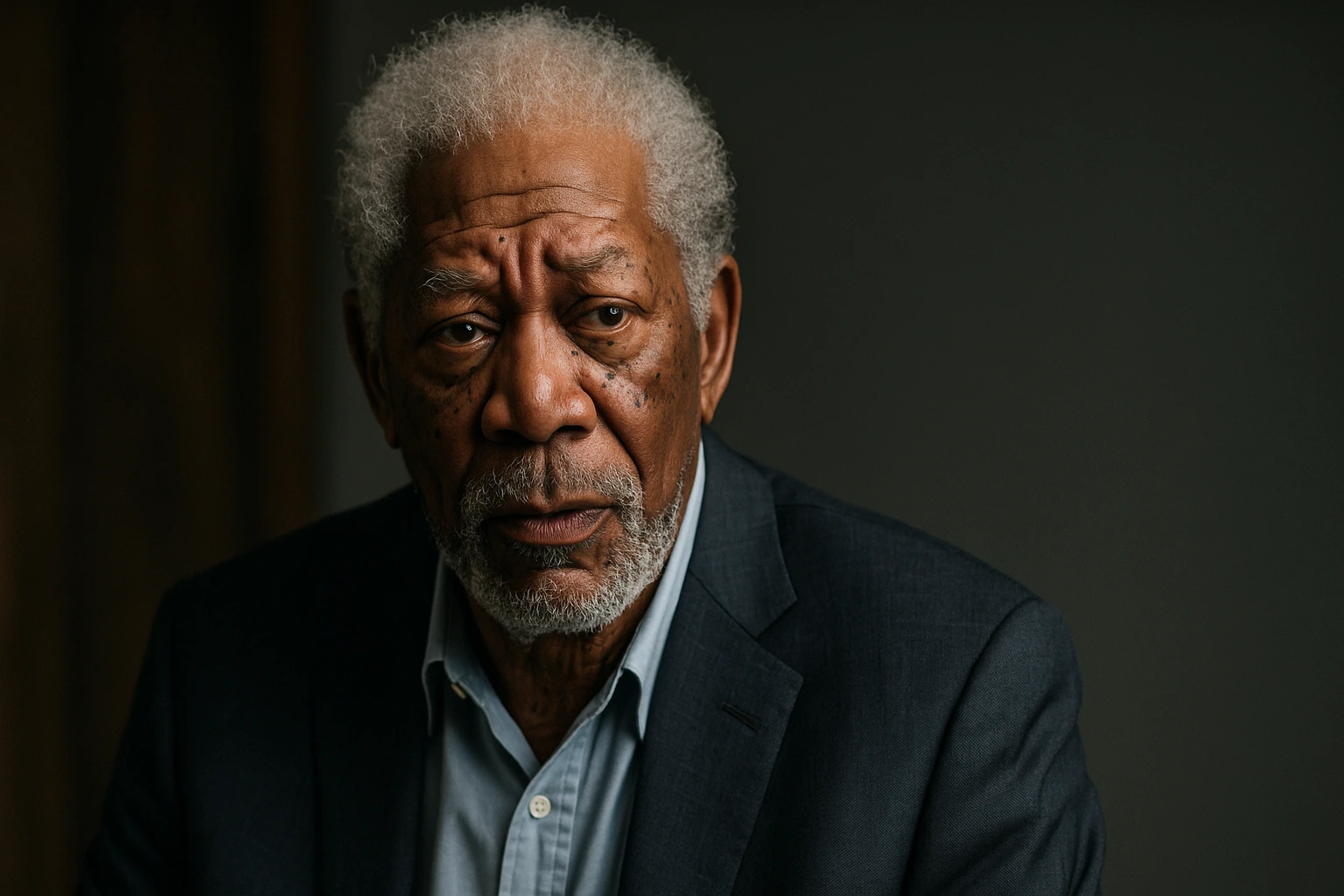
Growing concerns about AI-generated celebrity impersonations intensified after Morgan Freeman AI voice clones surfaced online. Freeman expressed anger over synthetic versions of his voice appearing in monetised content without permission. His response sets the stage for a broader legal confrontation over ownership of digital likeness and vocal identity.
How the situation started
Freeman noticed several posts online that featured a voice nearly identical to his. Some creators presented the audio as genuine narration. Others promoted fictional stories that sounded as if he recorded them. One viral clip stated that it was “narrated by Morgan Freeman,” which misled thousands of viewers.
Although one creator later claimed the clip was a playful experiment, many people believed the audio came from Freeman himself. He made it clear that he never approved any AI model to reproduce his voice.
Freeman’s reaction
Freeman stated that the unauthorised use of his voice felt like a theft of his identity. He explained that his voice represents decades of professional work and remains central to his career. When synthetic tools copy that work without consent, he loses control over how he is portrayed.
His legal team is preparing an aggressive response. Freeman hinted that ongoing cases already involve several groups and individuals who used his voice for entertainment, advertising or social-media revenue.
Why this dispute matters
This situation highlights a rapidly growing issue in entertainment. AI voice models can now mimic well-known vocal signatures with remarkable accuracy. These tools allow anyone to generate audio that sounds like a major actor, narrator or public figure.
The technology offers creative potential, yet it also creates serious risks. Without strong regulation, fans, companies or scammers can build fake audio that appears credible. Actors fear that studios or platforms could use synthetic versions of their voices instead of paying them for new work.
Freeman’s case resonates because his voice is widely recognised. When a synthetic clone fools even a small group of listeners, the consequences reach far beyond one mistaken clip.
Industry challenges
Performers face pressure to assert control over digital likeness. Studios are revising contracts to include AI clauses. Unions call for stronger protections to prevent studios from replacing actors through synthetic replicas. Policymakers are also discussing clearer rules around consent, licensing and monetisation of AI-generated voices.
Creators who rely on viral audio face another challenge. Platforms must identify deep-fake sound and warn users when content uses synthetic voices. Without safeguards, even well-meaning creators may contribute to confusion and misrepresentation.
What individuals and creators should do
Actors and public figures can protect themselves by reviewing their rights, registering their voice profiles when possible, and tracking unauthorised use across social platforms.
Creators should disclose synthetic audio, avoid imitating real individuals without permission, and respect legal boundaries around likeness rights.
Conclusion
The Morgan Freeman AI voice-cloning conflict reveals how quickly synthetic audio is reshaping entertainment and online culture. Freeman’s response pushes the industry toward clearer rules and greater accountability. As AI voice tools grow more advanced, creators, platforms and performers must commit to ethical use and transparent consent.
0 responses to “Morgan Freeman AI Voice Cloning Triggers Legal Action”