


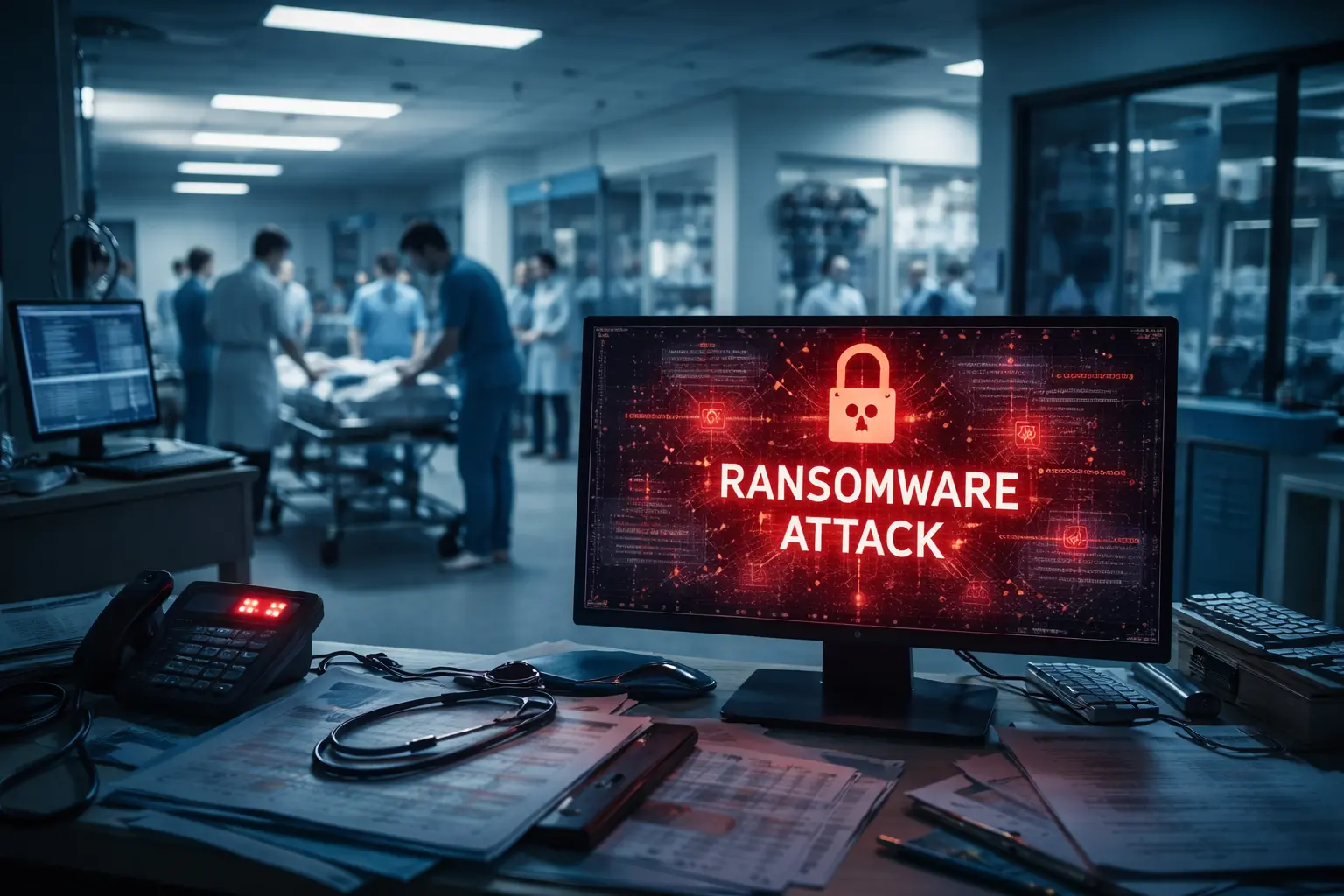
A major Mississippi UMMC ransomware attack forced the state’s largest hospital system to shut down critical IT infrastructure, disrupting healthcare services across Mississippi. The University of Mississippi Medical Center took systems offline after detecting suspicious activity consistent with ransomware. As a result, electronic records, internal communications, and scheduling systems became unavailable.
The incident immediately impacted patient care operations. Staff across multiple facilities had to transition to manual procedures while cybersecurity teams began containment and recovery efforts.
Hospital Systems Taken Offline
The University of Mississippi Medical Center operates several hospitals, specialty clinics, and telehealth services throughout the state. Following the attack, core digital systems were shut down as a precaution to prevent further spread. Electronic health records, phone systems, and internal email networks were affected.
Emergency departments remained open, but routine appointments and elective procedures were canceled. Clinics reported delays and rescheduling challenges as teams relied on paper documentation and limited digital access. The disruption extended beyond a single location, affecting care coordination statewide.
Healthcare providers implemented downtime protocols to maintain patient safety. These procedures are designed for short-term outages but become increasingly difficult to sustain during prolonged cyber incidents.
Impact on Patients and Staff
The ransomware attack created immediate operational strain. Without access to digital records, clinicians had limited visibility into patient histories, medication lists, and diagnostic data. That limitation slows clinical decision-making and increases administrative workload.
Patients seeking appointments or updates encountered communication barriers due to disabled phone systems. Many had to wait for follow-up information as scheduling systems remained offline. The uncertainty surrounding data exposure also raised concerns about patient privacy and potential future notifications.
Hospital leadership has not confirmed whether sensitive patient data was exfiltrated. Investigations remain ongoing as cybersecurity specialists analyze the scope of the intrusion.
Ransomware Threats to Healthcare
Healthcare institutions remain prime targets for ransomware groups. Hospitals manage sensitive data and provide critical services, which increases pressure to restore operations quickly. Attackers exploit that urgency to demand payment in exchange for decryption keys or to prevent data leaks.
Even when organizations refuse payment, recovery can take weeks. Systems must be rebuilt carefully to prevent reinfection. Security teams also conduct forensic analysis to identify entry points and patch vulnerabilities.
The Mississippi UMMC ransomware attack reflects a broader pattern of cybercriminals targeting medical infrastructure. As healthcare networks expand digital services, the attack surface continues to grow.
Recovery and Ongoing Response
UMMC’s response includes isolating affected systems, working with cybersecurity experts, and gradually restoring safe operations. Restoring electronic health records requires validation to ensure system integrity and prevent hidden persistence mechanisms.
During recovery, staff must balance cybersecurity containment with patient care continuity. Transparent communication with patients and regulators remains essential as the investigation progresses.
Healthcare organizations nationwide continue reviewing their ransomware defenses following this disruption. Stronger network segmentation, continuous monitoring, and rapid response planning are critical components of modern hospital cybersecurity strategies.
Conclusion
The Mississippi UMMC ransomware attack demonstrates how cyber incidents can rapidly disrupt essential healthcare services. By forcing critical systems offline, attackers created operational strain across an entire state medical network. As investigations continue, the event underscores the urgent need for stronger cybersecurity controls, rapid incident response capabilities, and resilient healthcare infrastructure.
0 responses to “Mississippi UMMC ransomware attack disrupts hospital system”