


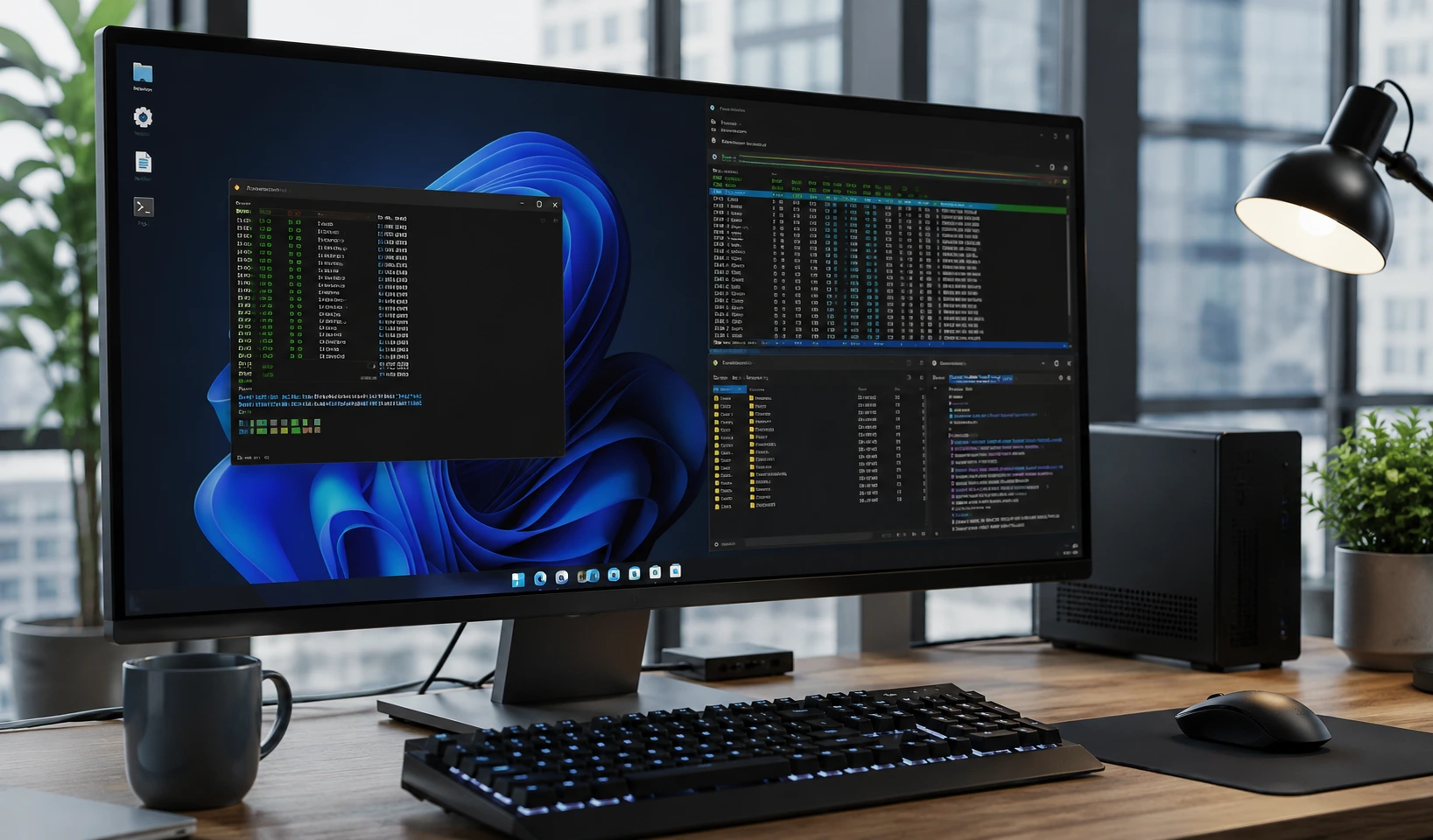
The Microsoft CoreUtils project is bringing familiar Linux command-line utilities directly to Windows environments. The initiative reflects Microsoft’s continued push to improve cross-platform development workflows and make Windows more attractive to developers who regularly work with Linux systems.
The project focuses on introducing native implementations of widely used GNU Core Utilities into Windows. These tools include common Linux commands that developers, system administrators, and engineers rely on for scripting, automation, and file management tasks.
Microsoft’s latest move continues the company’s long-term shift toward deeper compatibility with open-source ecosystems and Linux-based development environments.
Linux Command-Line Tools Arrive on Windows
GNU Core Utilities form a fundamental part of many Linux distributions. The package includes essential commands used for managing files, processing text, automating workflows, and handling system operations through the terminal.
Developers working across Windows and Linux environments often depend on compatibility layers, virtual machines, or subsystem integrations to access these tools. Microsoft now appears focused on simplifying that experience by bringing more native support directly into Windows itself.
The project may help developers create more consistent workflows across operating systems without relying heavily on external compatibility solutions.
Cross-platform development has become increasingly important as cloud infrastructure, containers, and hybrid enterprise environments continue expanding.
Microsoft Continues Expanding Developer Support
Microsoft has spent years improving Windows support for developers who traditionally preferred Linux systems. The company previously introduced the Windows Subsystem for Linux, expanded terminal capabilities, and strengthened support for open-source tooling.
The Microsoft CoreUtils project represents another step in that broader strategy. Instead of treating Linux workflows as separate environments, Microsoft continues integrating development tools more deeply into Windows itself.
The company has increasingly positioned Windows as a flexible platform capable of supporting both traditional enterprise workflows and modern developer ecosystems.
This shift also reflects changing industry expectations. Many developers now work across multiple operating systems, cloud platforms, and containerized environments simultaneously.
Native Integration Could Simplify Workflows
Native access to Linux-style command-line utilities may reduce friction for developers managing cross-platform projects. Teams often build software that runs across Linux servers, cloud infrastructure, and Windows workstations at the same time.
Consistent command-line behavior can improve scripting reliability and reduce compatibility issues between environments. Developers may also spend less time adapting workflows or maintaining separate tooling configurations.
The project could especially benefit DevOps teams, cloud engineers, and software developers who frequently move between Linux and Windows systems during daily operations.
Modern software development increasingly depends on automation, infrastructure orchestration, and command-line tooling. Microsoft appears determined to keep Windows competitive in those areas.
Open-Source Collaboration Remains Important
Microsoft’s growing involvement with open-source ecosystems continues shaping its product strategy. The company has expanded Linux support across Azure, GitHub, Windows, and enterprise development tools over the past several years.
The Microsoft CoreUtils project further demonstrates how deeply open-source technologies now influence mainstream enterprise software development.
Linux utilities remain central to modern infrastructure management, cloud operations, and containerized environments. By integrating those capabilities more directly into Windows, Microsoft can better support developers working inside mixed-platform ecosystems.
The move also reflects broader industry convergence between Windows and Linux development practices.
Developers Expect Greater Flexibility
Modern developers increasingly prioritize flexibility when choosing operating systems and development environments. Many professionals expect seamless access to scripting tools, automation frameworks, containers, and cross-platform workflows regardless of platform.
Microsoft has responded by steadily reducing barriers between Windows and Linux ecosystems. Native Linux-style utilities may help Windows remain competitive as cloud-native development continues evolving.
The company also faces growing pressure from macOS and Linux distributions that already provide strong command-line environments by default.
Final Thoughts
The Microsoft CoreUtils project highlights Microsoft’s ongoing effort to modernize Windows for developers and strengthen compatibility with Linux-based workflows. By bringing familiar Linux command-line tools directly into Windows, the company continues reducing friction between operating systems.
As development environments become increasingly cross-platform, native support for widely used utilities could play an important role in improving workflow consistency, automation, and developer productivity across enterprise and cloud ecosystems.
0 responses to “Microsoft CoreUtils Brings Linux Commands to Windows”