


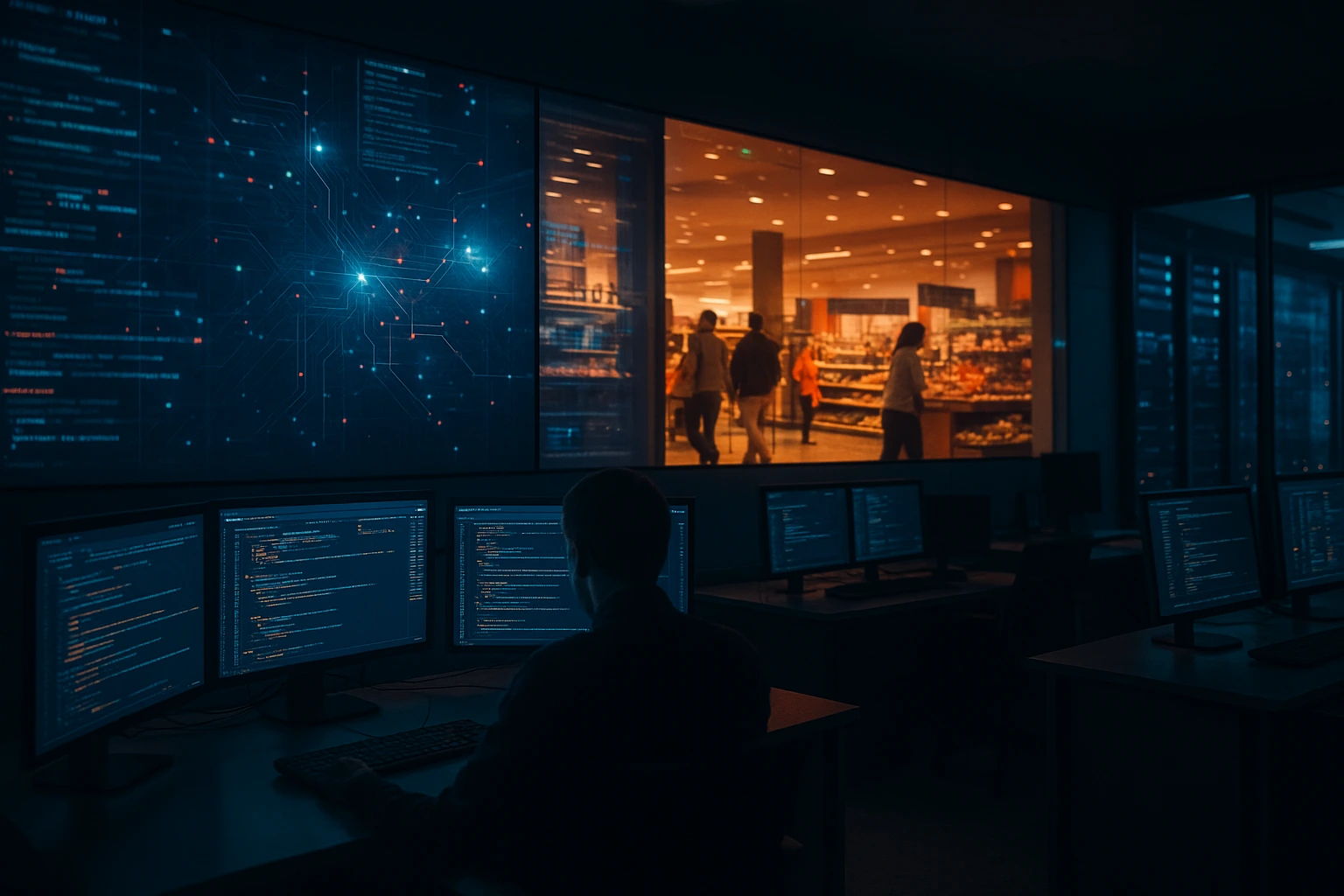
The Marks & Spencer cyberattack forced the British retailer to halt online orders and deal with major operational disruption. While the company worked to restore systems, customers shifted their spending to competitors, turning a cybersecurity crisis into a competitive setback.
What happened
The attack targeted systems linked to M&S’s online retail operations, triggering downtime across its clothing and home shopping services. The company suspended online orders as it investigated and secured affected systems, which created immediate sales losses and slowed customer service response.
The financial impact was significant, with delayed fulfillment and lost transactions adding up quickly. During the outage, rival retailers captured extra traffic and sales, benefiting from uninterrupted operations.
Why it matters
This incident shows how a cyberattack can damage more than internal systems. Retailers operate on tight digital timelines, and any disruption risks losing customers who expect seamless service. In this case, competitors gained ground while M&S worked to contain the issue, proving cybersecurity failures can shift market share in real time.
Beyond operational cost, the breach raised customer concerns about data security and reliability. Retail brands have built their modern identity around convenience and trust, and incidents like this challenge both.
Impact on the UK retail market
The attack led to a short-term boost for other major retailers that absorbed redirected demand. It also sent a clear signal to the entire sector: cybersecurity lapses can result not only in technical recovery work, but also in lost loyalty and competitive advantage.
Industry analysts expect increased spending on security tools, vendor oversight, and incident-response planning. The event also reinforces how third-party systems can become entry points for attackers, pushing retail brands to tighten supplier controls.
What retailers should do now
To avoid similar fallout, retailers need to:
- Strengthen security monitoring and response processes
- Review supplier access and third-party security controls
- Maintain contingency plans for online sales channels
- Communicate quickly and clearly with customers during disruptions
Preventing revenue loss requires more than firewalls; it demands full-scale resilience planning.
Conclusion
The Marks & Spencer cyberattack shows how a single incident can damage operations and open space for competitors to advance. The event serves as a reminder that cybersecurity is a competitive issue, not just a technical one. Retailers that build resilience and protect customer trust will be better positioned to maintain market share when attackers strike.
0 responses to “Marks & Spencer cyberattack drives shoppers to competitors”