


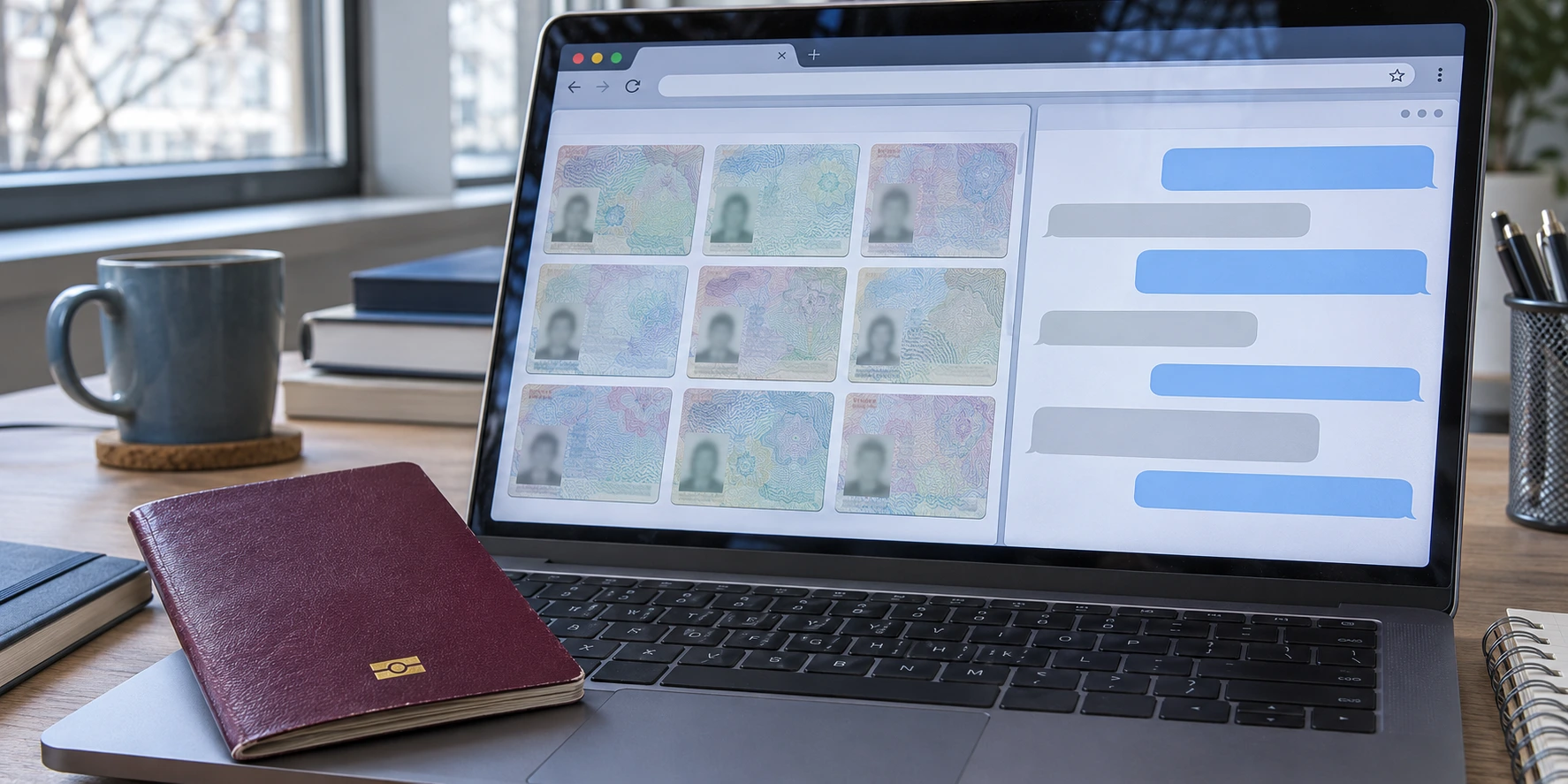
Lovable AI apps gave visitors access to passport numbers, payment details and more than 200,000 private chat messages without a login. German security firm Crissy Field traced the exposure to database permissions after examining 159,041 projects built with the AI coding platform.
More than 7,400 sites exposed email addresses
Researchers used the Common Crawl web archive to identify projects and found that 34,545 used Supabase to store data. Of those, 24,664 returned at least some database records to visitors who had not signed in. To test access, the team sent read-only requests using the same public key each app supplied to a visitor’s browser.
The researchers then examined what those requests returned. Across 7,403 sites, they found email addresses in more than 10,500 database tables. One service provider also exposed over 1,000 passport records, including passport numbers, expiration dates and nationalities.
A lifestyle forum exposed messages and user profiles
One lifestyle forum accounted for more than 200,000 private chat messages and 80,000 user profiles. Meanwhile, apps for restaurants and event organizers exposed tens of thousands of order and ticket records. Alongside customer names and contact details, the records included payment information and ticket codes.
The exposure also extended to correspondence that customers would have had little reason to expect in a public database. For example, a property management company stored AI-generated summaries of internal emails that discussed tenants, owners and business partners. Other databases contained contracts, invoices, personal photo albums and internal WhatsApp conversations.
Missing access rules left private records within reach
Crissy Field pointed to missing or incomplete row-level security rules in the databases behind the Lovable AI apps. These rules determine which individual records a visitor can read. In the affected apps, the database returned confidential information even when the visitor supplied no account credentials. The researchers therefore called for developers to review access permissions before an app begins handling sensitive data.
Lovable described the findings as part of a broader configuration problem among apps that use Supabase. A separate study by UpGuard examined about 300,000 domains that showed signs of using the service. It identified 16,326 databases with tables that outsiders could read. In more than half of those cases, UpGuard found indications that the tables contained personal data.
0 responses to “Lovable AI apps expose passports and 200,000 chat messages”