


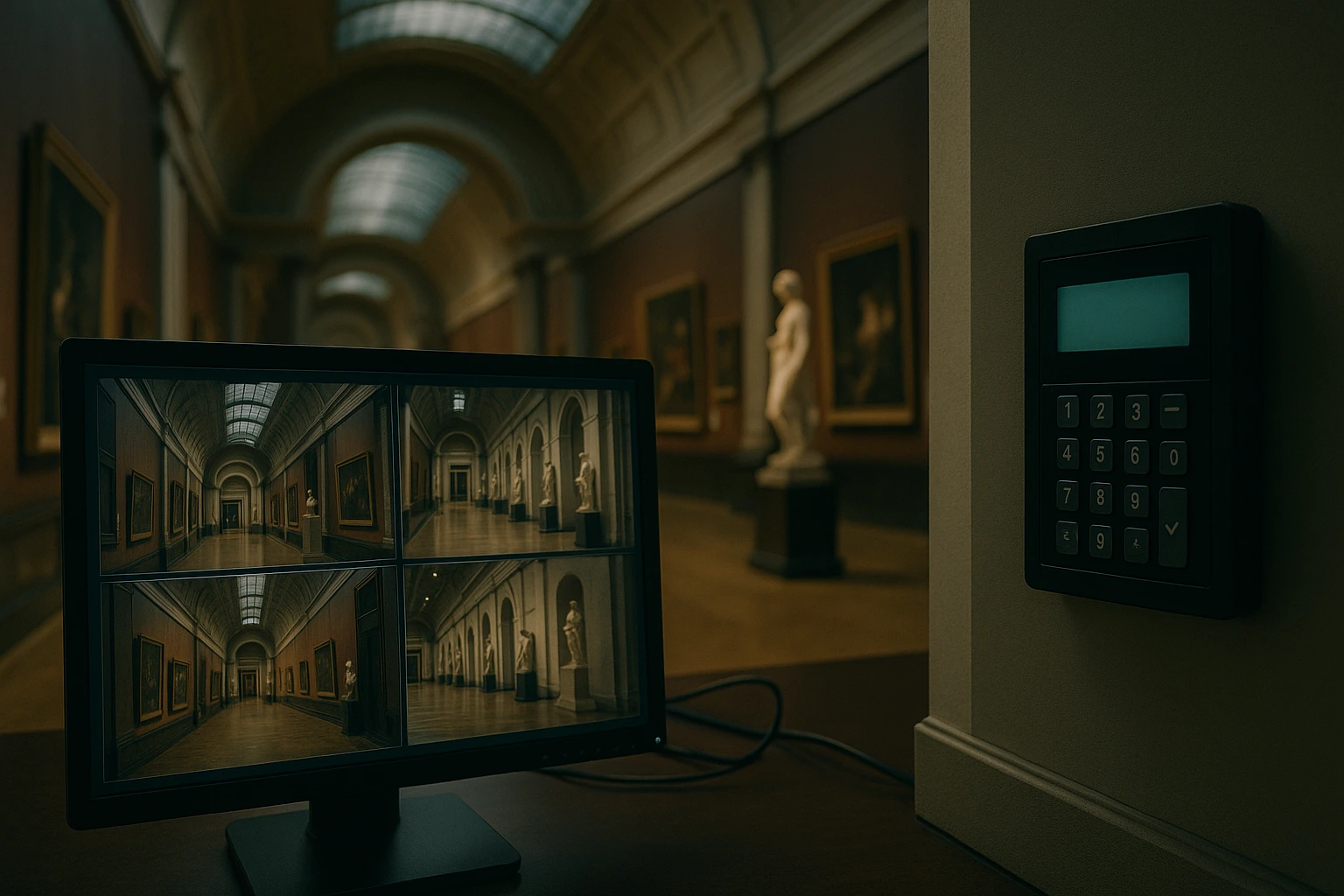
A Louvre museum password incident has raised serious concerns about security practices at one of the most visited cultural institutions in the world. A high-profile theft investigation revealed the museum relied on a simple and predictable password, exposing long-standing weaknesses in its surveillance and access-control systems. This situation shows how even iconic organisations can suffer from basic cybersecurity mistakes.
What Happened
Investigators uncovered that the museum’s surveillance server used a weak password that matched the institution’s name. This simplistic password choice came to light during a high-value jewel theft case, sparking discussion about how such a critical system remained unsecured. Instead of using complex credentials and layered protections, the system relied on a password that attackers could easily guess.
The revelation indicated that the surveillance network had not been updated or properly audited for years. Security reports from previous periods pointed out problems, yet the vulnerable setup persisted. In a facility that houses priceless art and draws millions of visitors annually, this amounted to a major operational risk.
Why It Matters
Cultural institutions hold priceless assets and handle heavy foot traffic, making security essential. This event highlights multiple issues:
- Weak passwords create easy entry points for attackers
- Legacy systems often lack modern safeguards
- Failing to act on previous audits compromises long-term safety
- Oversights in digital controls can undermine physical security
The incident shows how threat actors can exploit the smallest openings when critical environments rely on outdated or careless practices.
Lessons for Other Institutions
Every organisation responsible for protecting valuable assets can draw lessons from this case. Key actions include:
- Enforcing strong password policies with rotation and complexity requirements
- Replacing unsupported or legacy digital systems
- Running regular security audits and implementing recommendations quickly
- Training staff to understand risks tied to digital access controls
- Treating cybersecurity and physical security as unified priorities
These practices reduce insider risk, strengthen resilience and help ensure that sensitive assets remain protected.
Conclusion
The Louvre museum password issue proves that even world-renowned institutions face serious consequences when basic security measures are neglected. Strong access control, modern systems and consistent follow-through on audit findings form the foundation of effective protection. Cultural heritage deserves rigorous digital security, and this case serves as a reminder that vigilance begins with fundamentals.
0 responses to “Louvre museum password flaw exposes major security failure”