


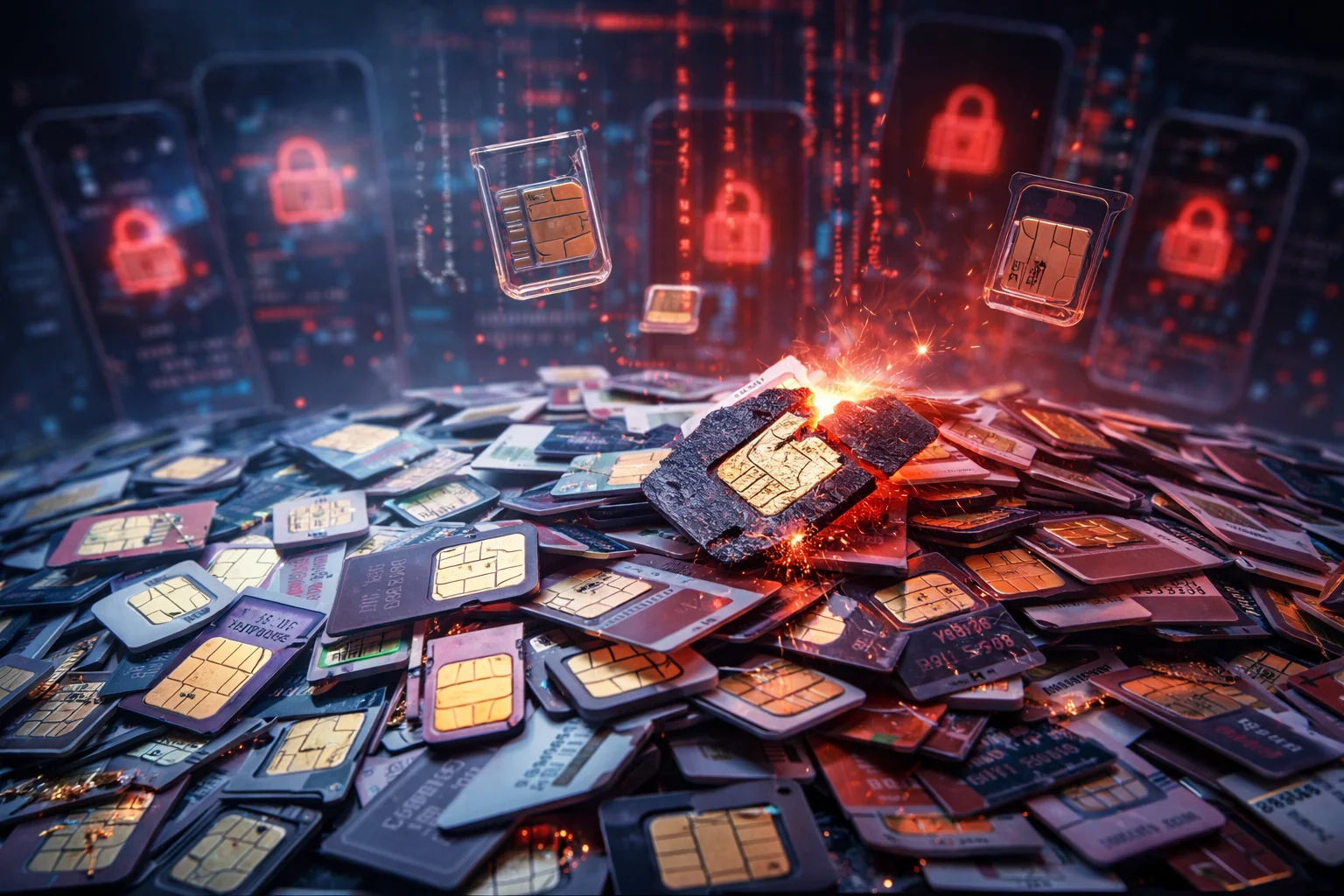
The LG Uplus SIM security flaw has forced a large-scale response across South Korea. Millions of users now need to replace their SIM cards due to a structural issue in how identifiers were designed. The situation shows how small design choices can create major security risks over time.
Even without confirmed exploitation, the flaw has raised serious concerns across the telecom sector.
Weak identifier design created exposure
The issue comes from how subscriber identity values were generated. LG Uplus used patterns linked to users’ phone numbers instead of fully random identifiers.
IMSI numbers should remain unpredictable and detached from personal data. In this case, the structure made them easier to analyze and potentially link back to users.
This kind of predictability increases the risk of tracking and targeted attacks. It also reduces the overall strength of network-level protections.
Millions of users affected
The scale of the response reflects the seriousness of the flaw. Around 17 million users are expected to receive replacement SIM cards or alternative fixes.
The rollout will take time, which means exposure may continue during the transition period. That delay adds pressure on both the provider and regulators to act quickly.
This is not a small technical adjustment. It is a nationwide infrastructure fix.
No breach confirmed, but risk remains
Authorities have not confirmed any active exploitation. However, the risk remains significant due to how mobile networks handle identity data.
In some cases, subscriber information can travel without strong encryption. When combined with predictable identifiers, this creates a potential entry point for attackers.
This type of weakness does not require a direct breach to cause harm. It increases the chances of surveillance, profiling, or targeted attacks.
Regulatory gaps now under scrutiny
The incident has exposed gaps in telecom regulations. Current rules do not clearly define how identifiers like IMSI should be structured.
Because of this, the flawed design did not violate existing standards. That has now become part of the problem.
Regulators are reviewing whether stricter requirements are needed. The goal is to prevent similar issues in the future.
Pressure grows on telecom providers
The LG Uplus SIM security flaw adds to growing concerns around telecom security. Providers manage critical infrastructure and sensitive user data.
Any weakness at this level can have wide-reaching consequences. As networks expand, the number of potential attack points also increases.
Security can no longer rely on assumptions about safe design. Every component must be built with resilience in mind.
Conclusion
The LG Uplus SIM security flaw highlights how predictable systems can create long-term risks. Even without a breach, the exposure is serious enough to require massive action.
Telecom providers need stronger standards and better oversight. Secure design must come first, not after problems appear.
0 responses to “LG Uplus SIM Security Flaw Triggers Mass Card Replacement”