


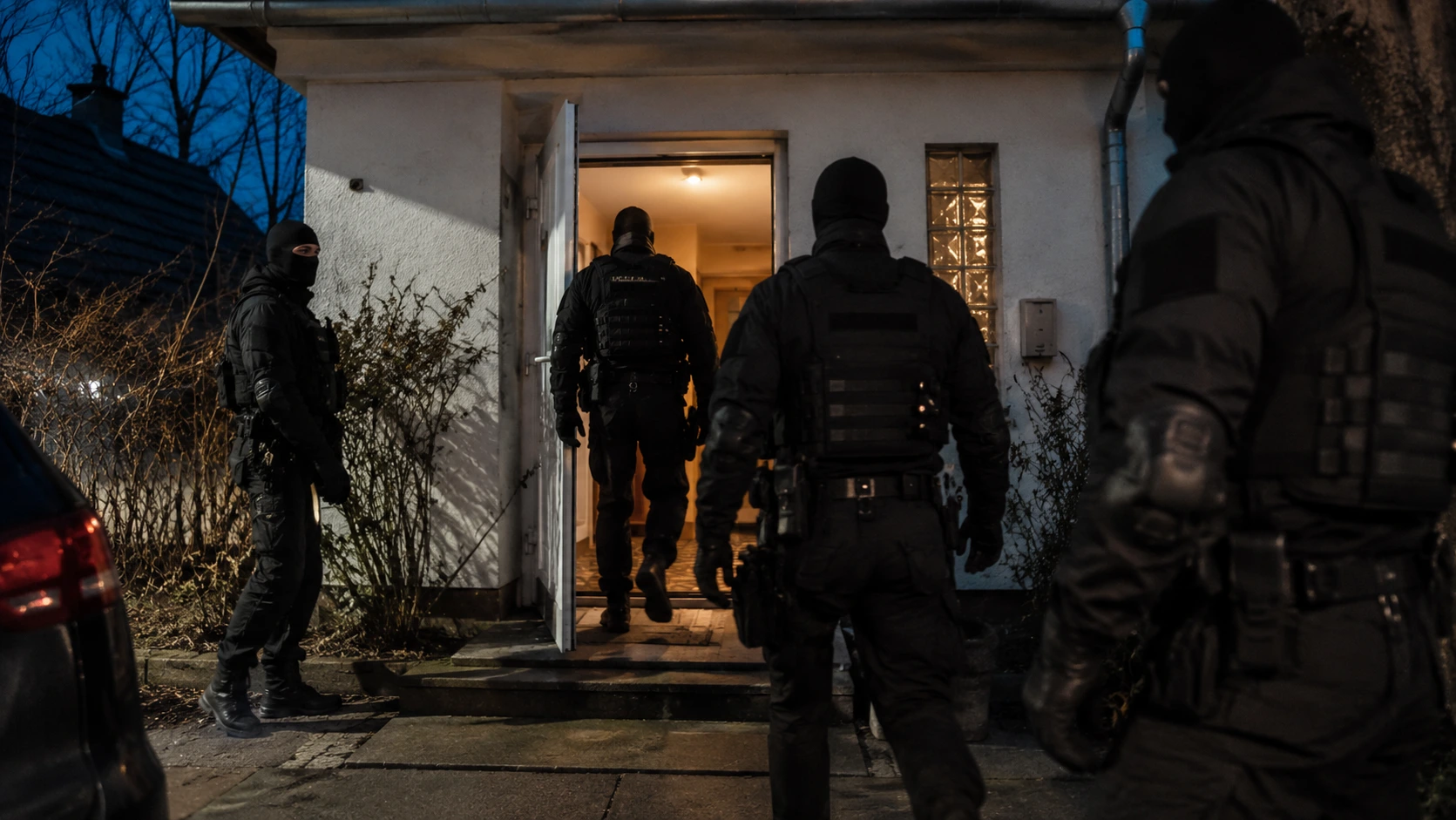
Danish police have arrested activist Lars Kragh Andersen after an investigation linked to the publication of personal information belonging to Prime Minister Mette Frederiksen. The operation included a search of Andersen’s residence and the seizure of electronic devices as authorities examined whether the shared information violated Danish law.
The case has quickly become one of Denmark’s most closely watched technology and privacy stories. Supporters describe the investigation as an attack on political activism, while critics argue that publishing personal information about public officials creates serious security risks.
Police Conduct Early-Morning Raid
Authorities carried out the operation after Andersen published information online that investigators believe identified the prime minister. Danish media reports indicate that officers searched his property and collected evidence related to the ongoing investigation.
Andersen later described the raid on social media and claimed officers entered the property while wearing masks. He also stated that authorities disconnected power during the search.
Police have released limited details about the investigation and have not disclosed all evidence collected during the operation.
Doxxing Allegations Drive the Investigation
The case centers on allegations of doxxing, a practice that involves publishing private information about an individual without consent. Authorities often view doxxing as a serious issue because it can expose victims to harassment, threats, and other security risks.
Investigators have not publicly disclosed every detail involved in the case. However, reports indicate that the published information related directly to Prime Minister Mette Frederiksen.
The incident has attracted significant attention because it involves one of Denmark’s highest-profile political figures. Security experts frequently warn that exposing personal details of public officials can increase both physical and digital security risks.
Activist Remains a Divisive Figure
Andersen has spent years challenging government policies and criticizing Danish authorities. His activism has generated both strong support and strong opposition.
Supporters argue that he highlights issues involving privacy, government accountability, and civil liberties. Critics contend that some of his tactics cross legal and ethical boundaries.
The latest investigation has amplified those disagreements. Online discussions quickly spread across social media platforms, where users debated both the legality of the publication and the scale of the police response.
Privacy and Free Speech Questions Resurface
The investigation has reopened broader discussions about privacy rights and freedom of expression in Denmark. Governments increasingly face pressure to protect individuals from harassment campaigns that rely on leaked or published personal information.
At the same time, activists and civil liberties advocates continue to question where authorities should draw the line between criminal conduct and political speech.
Cases involving public officials often make that balance even more difficult because governments must weigh privacy concerns against the public interest.
Conclusion
The Lars Andersen arrest has placed privacy, political activism, and online conduct under renewed scrutiny in Denmark. While investigators continue examining the circumstances surrounding the publication of the prime minister’s personal information, the case has already sparked a national conversation about the limits of digital activism.
The outcome may influence how Danish authorities handle future doxxing investigations and could shape broader discussions about privacy protections in the digital age.
0 responses to “Lars Andersen Arrest Follows Doxxing Investigation in Denmark”