


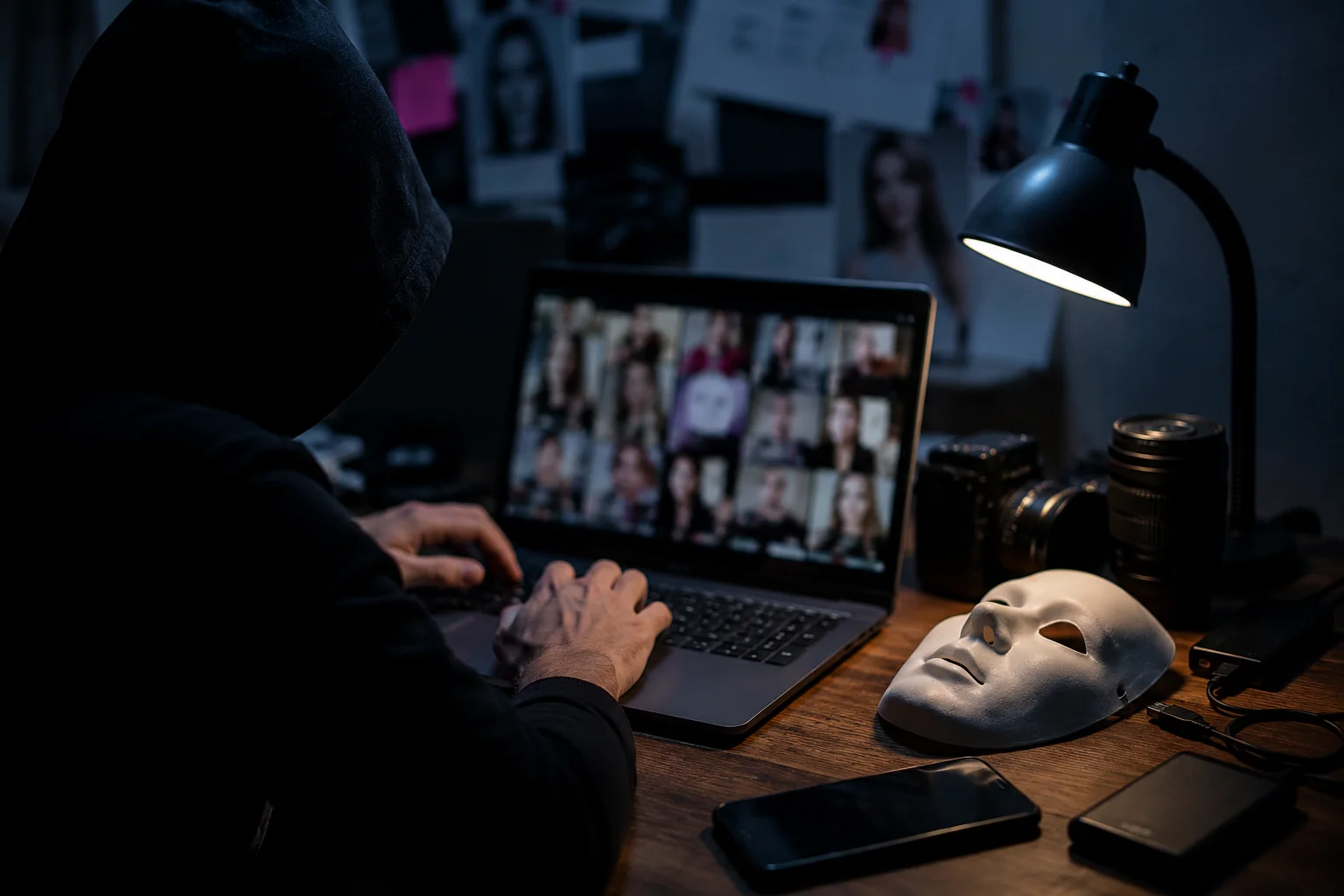
Korea deepfake cybercrime cases continue to escalate as authorities battle the spread of AI-generated sexual exploitation content across online platforms. Investigators warn that cybercriminal groups are using artificial intelligence tools to create fake explicit images and videos targeting women, students, and public figures.
The growing abuse of generative AI technology has triggered national outrage in South Korea. Lawmakers and cybersecurity experts now describe deepfake sexploitation as one of the country’s most serious digital crime problems.
AI-Generated Abuse Expands Across Online Communities
The Korea deepfake cybercrime crisis has expanded rapidly during the past year. Criminal groups reportedly collect photos from social media accounts and use AI software to generate fake explicit content without victim consent.
Many victims are teenagers, university students, teachers, and ordinary women whose images become distributed through encrypted messaging platforms and anonymous online forums. Experts warn that modern AI systems can now create realistic fake videos and images within minutes.
Researchers also noted that the barrier to entry has dropped significantly. Individuals no longer need advanced editing skills to generate convincing deepfake content. Widely available AI tools now allow harmful material to spread at a much larger scale.
The problem has moved beyond isolated incidents. Authorities believe organized online communities are actively producing and sharing exploitative material through private chat groups.
Telegram Faces Pressure Over Criminal Activity
South Korean investigators launched probes into Telegram and similar platforms after reports linked encrypted channels to deepfake sex crimes. Officials believe many groups used private communities to distribute illegal AI-generated pornography and trade exploitative content.
Public anger intensified after reports revealed that minors and classmates became frequent targets. Several investigations involved teenage perpetrators who used publicly available photos to create explicit fake images of female students.
The scandal sparked nationwide debate over digital safety, online anonymity, and platform accountability. Advocacy groups demanded stricter enforcement against online communities that promote sexual exploitation and harassment.
Authorities also increased pressure on technology companies to improve moderation systems and remove abusive AI-generated material more quickly.
South Korea Strengthens Deepfake Laws
The Korean government responded by strengthening laws targeting deepfake pornography and digital sexual abuse. Updated legislation now criminalizes the creation, distribution, possession, and viewing of exploitative deepfake content.
Violators can face prison sentences and large financial penalties. Lawmakers stated that tougher laws became necessary because existing cybercrime regulations failed to keep pace with AI technology.
Cybersecurity experts believe stronger legal action may help reduce distribution networks. However, they also warned that enforcement remains difficult because many communities operate through encrypted services and anonymous accounts.
AI Technology Continues to Increase Risks
Experts warn that generative AI technology will continue to fuel cyber-enabled sexual exploitation worldwide. Deepfake systems have become faster, cheaper, and easier to access, allowing harmful content to spread rapidly across digital platforms.
Researchers also raised concerns about the psychological harm experienced by victims. Even when content is fake, victims often face harassment, reputational damage, and long-term emotional distress after explicit material appears online.
Security analysts expect governments worldwide to introduce stricter regulations as AI-generated abuse becomes more common.
Conclusion
The Korea deepfake cybercrime crisis highlights the growing dangers linked to AI-generated sexual exploitation and digital abuse. South Korean authorities continue to strengthen laws and investigate online criminal communities, but the rapid growth of generative AI technology has made enforcement increasingly difficult. As deepfake tools become more accessible, experts warn that cyber-enabled sexploitation may continue to expand across online platforms worldwide.
0 responses to “Korea Deepfake Cybercrime Drives AI Sexploitation Surge”