


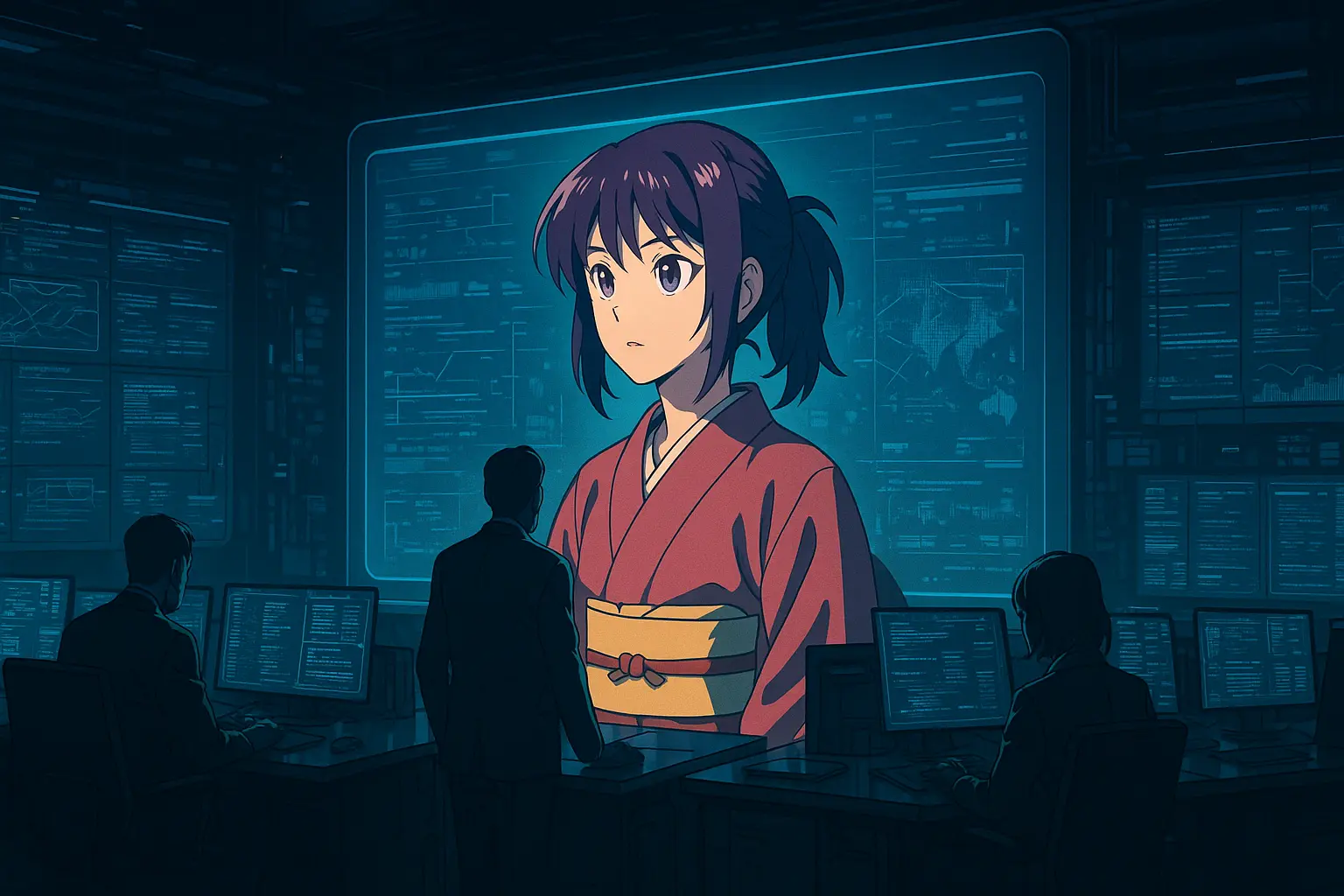
The Japan OpenAI anime manga protection request has ignited a global conversation about cultural preservation in the age of artificial intelligence. Japan’s government urged OpenAI to safeguard its world-famous art forms from replication by Sora 2, calling anime and manga national treasures that deserve protection, not exploitation.
Japan’s cultural stance
Officials from Japan’s Cabinet Office and Intellectual Property Strategy Promotion Secretariat formally requested that OpenAI prevent Sora 2 from imitating anime or manga styles. They described these creative mediums as “irreplaceable cultural assets” deeply tied to Japan’s national identity.
Their statement reflects growing unease within Japan’s entertainment sector. Artists fear that AI-generated content could blur the line between authentic art and algorithmic imitation, eroding decades of artistic tradition.
Sora 2 and artistic replication fears
OpenAI’s Sora 2 model can produce highly realistic videos from text prompts. Since its preview, users have showcased clips closely resembling Japanese animation. These demonstrations triggered alarm among artists and studios who worry about losing creative control.
Critics warn that AI systems trained on unlicensed material could unintentionally reproduce copyrighted elements. Such replication might not only devalue human artistry but also compromise the integrity of Japan’s cultural exports.
OpenAI’s position and opt-out options
Sam Altman, CEO of OpenAI, has promised creators the ability to opt out of model training. While this approach provides flexibility, Japan’s authorities argue that voluntary measures fall short when entire cultural domains are at stake.
Several global media companies—including Disney—have already limited the use of their intellectual property in AI datasets. Their stance reinforces Japan’s demand for stricter oversight and proactive safeguards.
Cultural integrity and regulatory momentum
Protecting anime and manga goes beyond copyright law; it’s a matter of cultural sovereignty. These industries represent decades of creative evolution and contribute billions to Japan’s economy. Government officials believe that preserving them is essential to maintaining both national identity and artistic dignity.
If OpenAI fails to comply with Japan’s request, regulators may pursue audits or formal investigations into data usage practices. The country’s Digital Minister has also emphasized the importance of aligning AI development with cultural and ethical values.
Conclusion
The Japan OpenAI anime manga debate highlights the growing tension between innovation and cultural respect. As generative AI continues to reshape global art, Japan’s stand could set a precedent for how nations defend their creative heritage. Protecting human artistry in the digital age may soon require not just policy—but principle.
0 responses to “Japan OpenAI anime manga protection request sparks global debate”