


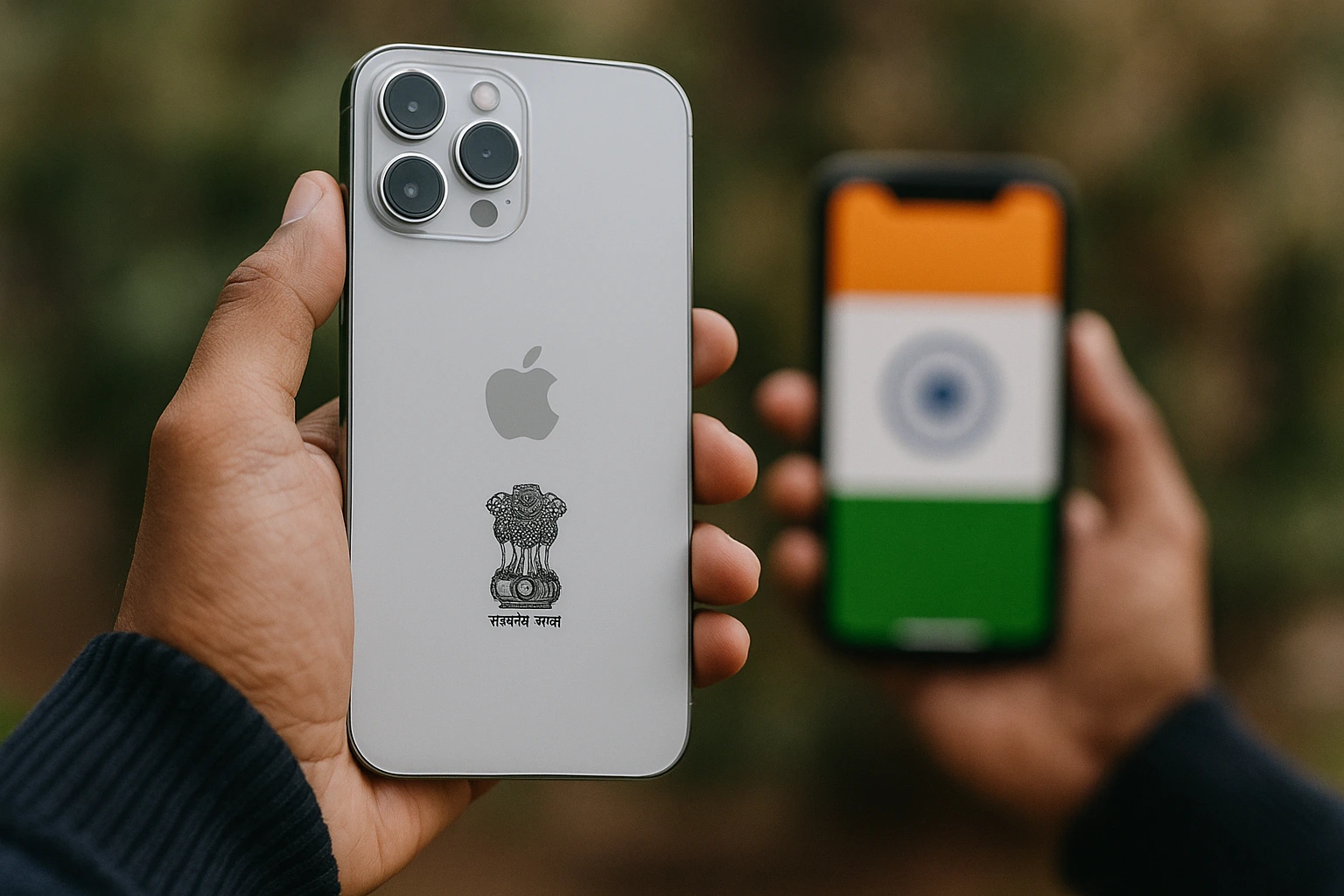
The India state app mandate created intense controversy after authorities ordered smartphone makers to preload the Sanchar Saathi app and block users from removing it. Apple rejected the order, arguing that it undermines privacy, threatens device security, and breaks long-standing company policies. The dispute has escalated into a nationwide debate over surveillance, digital rights, and the limits of government control over personal devices.
What the new directive requires
The mandate instructs phone manufacturers to install Sanchar Saathi on every new device sold in India. Companies must also deliver the app to existing devices through software updates. The requirement includes a strict rule: users cannot delete the app under any circumstance.
Sanchar Saathi tracks stolen phones, verifies IMEI details, blocks flagged devices, and alerts users about suspicious activity. Government officials promote the tool as a national security measure that reduces fraud linked to tampered devices and illegal phone resales. They argue that the app strengthens consumer protection and supports investigations into mobile-enabled crime.
Apple’s refusal
Apple plans to formally reject the directive. The company says the mandate violates its security framework, which limits system-level apps to those signed and controlled internally. Apple claims that forcing an undeletable state app into the operating system creates new attack surfaces, weakens encryption safeguards, and reduces user trust in the platform.
Executives also highlight that Apple has never accepted similar requirements in any country. They intend to tell Indian officials that compliance would compromise global standards that protect iOS devices. Apple’s response places pressure on regulators, since many Android vendors are more flexible and may comply without major technical changes.
Growing backlash and political pressure
The directive sparked intense criticism across India. Opposition lawmakers accuse the government of pushing a surveillance tool into citizens’ pockets. Digital-rights groups warn that undeletable apps could enable misuse if expanded or altered in future updates. Activists claim the app could give the state direct visibility into user data, even if the current version focuses on security tasks.
The government defends the initiative. Officials argue that criminals exploit unregistered phones, cloned IMEIs, and untraceable resale markets. They say Sanchar Saathi gives law enforcement a practical tool against rapidly evolving fraud schemes.
Implications for the tech industry
This conflict highlights a deeper global challenge. Governments increasingly attempt to impose system-level controls on smartphones to address cybersecurity concerns. Tech companies push back, fearing uncontrolled access and weakened protections. The India state app mandate may influence future negotiations between regulators and platform providers across several major markets.
The situation also risks dividing India’s smartphone landscape. iPhones may remain free of the app, while many Android devices could ship with it permanently installed. That contrast may influence buyer decisions, especially for users who prioritize privacy.
Conclusion
The India state app mandate created a direct confrontation between Apple and Indian authorities. Apple rejects the requirement on security and privacy grounds, while the government insists the app strengthens national protection against fraud. The outcome will shape India’s digital-policy environment and set expectations for future battles over state-controlled software on consumer devices.
0 responses to “India state app mandate sparks major clash with Apple”