


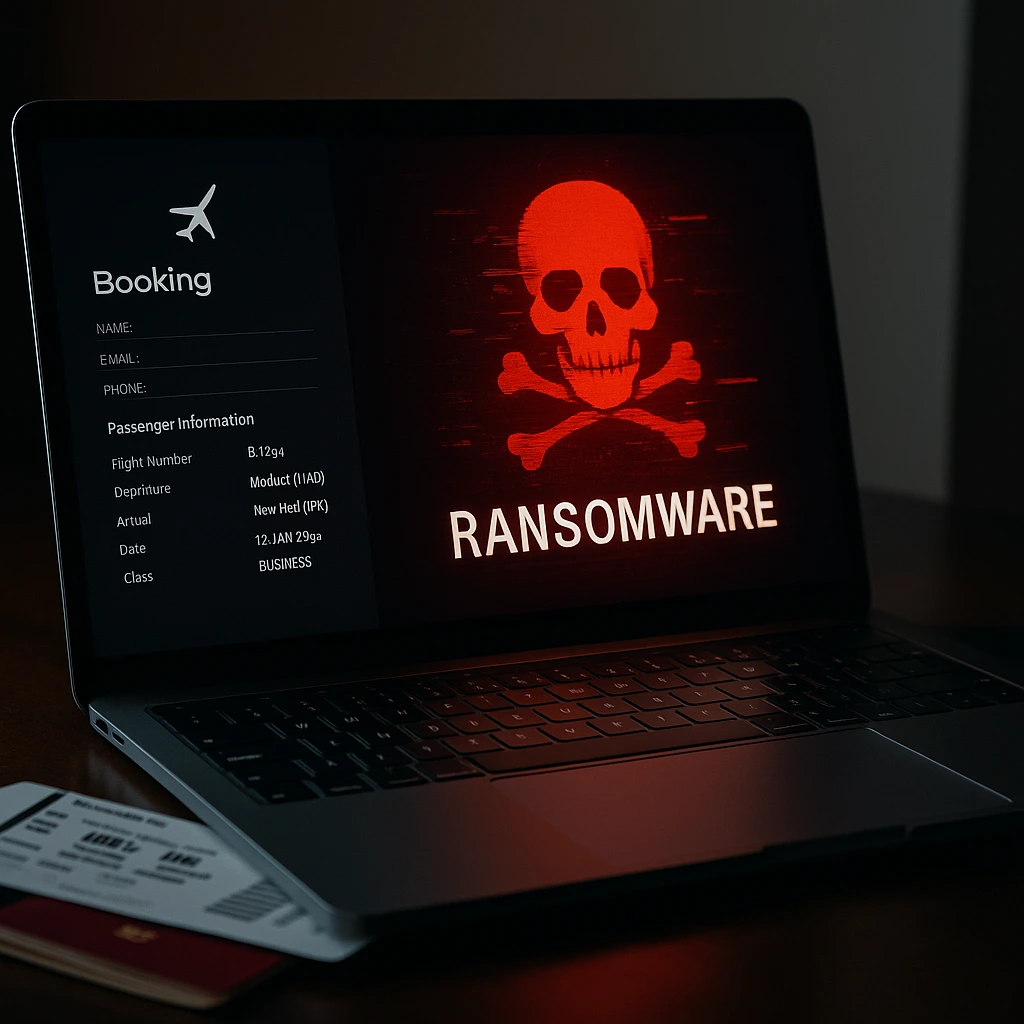
A major cyberattack targeted Iberia and triggered widespread concern across the aviation sector. Attackers linked to the Everest ransomware group claimed they accessed large parts of the airline’s internal data. They released samples to support their claim and demanded payment to stop a full leak. The iberia ransomware breach may affect customers, employees and the airline’s broader digital ecosystem. The scale of the data involved raises serious questions about security within global aviation networks.
How the attack unfolded
Everest ransomware operators stated they breached Iberia’s systems and exfiltrated hundreds of gigabytes of internal files. Their samples included customer records, booking data and large quantities of archived emails. The group also claimed they gained access to tools that manage flight reservations. If those claims hold true, criminals could alter bookings, access personal details or impersonate customers.
Iberia handles millions of passenger journeys each year. The airline also stores contact information, loyalty-programme records, payment-related metadata and travel documentation. The iberia ransomware breach exposed data that plays an essential role in digital travel management.
What information was exposed
Customer and booking data
- Names, email addresses and phone numbers
- Loyalty-programme details
- Flight reservations and booking references
- Metadata associated with ticket management and itinerary changes
Archived email data
- Millions of email files linked to customer support
- Internal communication related to bookings and operations
- Documents that reference travel details or service requests
The variety of exposed data increases the risk of phishing, account manipulation and identity-based scams. Criminals often exploit travel-related information because victims expect schedule updates and service notices.
Why the incident matters
Airlines hold sensitive travel data that supports identity verification and ticket control. Attackers can exploit leaked records to impersonate travellers, modify bookings or target customers with personalised scams. Criminals could send fraudulent rebooking notices, baggage-fee payment requests or check-in confirmations. Many victims respond quickly to such messages and reveal even more personal information.
The iberia ransomware breach also highlights vulnerabilities across complex aviation supply chains. Airlines rely on many interconnected systems, third-party vendors and cloud platforms. A single compromise can expose data stored across multiple services.
How customers can protect themselves
Stay alert for suspicious contact
- Watch for unexpected emails or texts about flight changes
- Avoid clicking links in unsolicited messages
- Confirm schedule updates only through official airline channels
Strengthen account security
- Update passwords and avoid reuse across services
- Enable multi-factor authentication where available
- Monitor loyalty-programme activity for unusual changes
Limit exposure
- Review any email forwarding rules
- Check inbox filters for unauthorized changes
- Treat any request for travel documents or payment details with caution
What airlines must improve
Airlines must invest in stronger monitoring systems, strict internal-access controls and regular security audits. Sensitive travel data requires encryption, segmentation and constant threat detection. The aviation industry must strengthen supplier oversight and improve incident-response plans. The iberia ransomware breach shows how one weak link can create global consequences.
Conclusion
The iberia ransomware breach demonstrates the serious risks faced by airlines and their customers. Attackers gained access to sensitive booking information, personal contact data and large collections of internal emails. Customers now face heightened phishing threats, and the airline must reinforce its security posture. Stronger protection, clear communication and modernised systems remain essential to restore trust and reduce long-term impact.
0 responses to “Iberia ransomware breach exposes booking and customer data”