


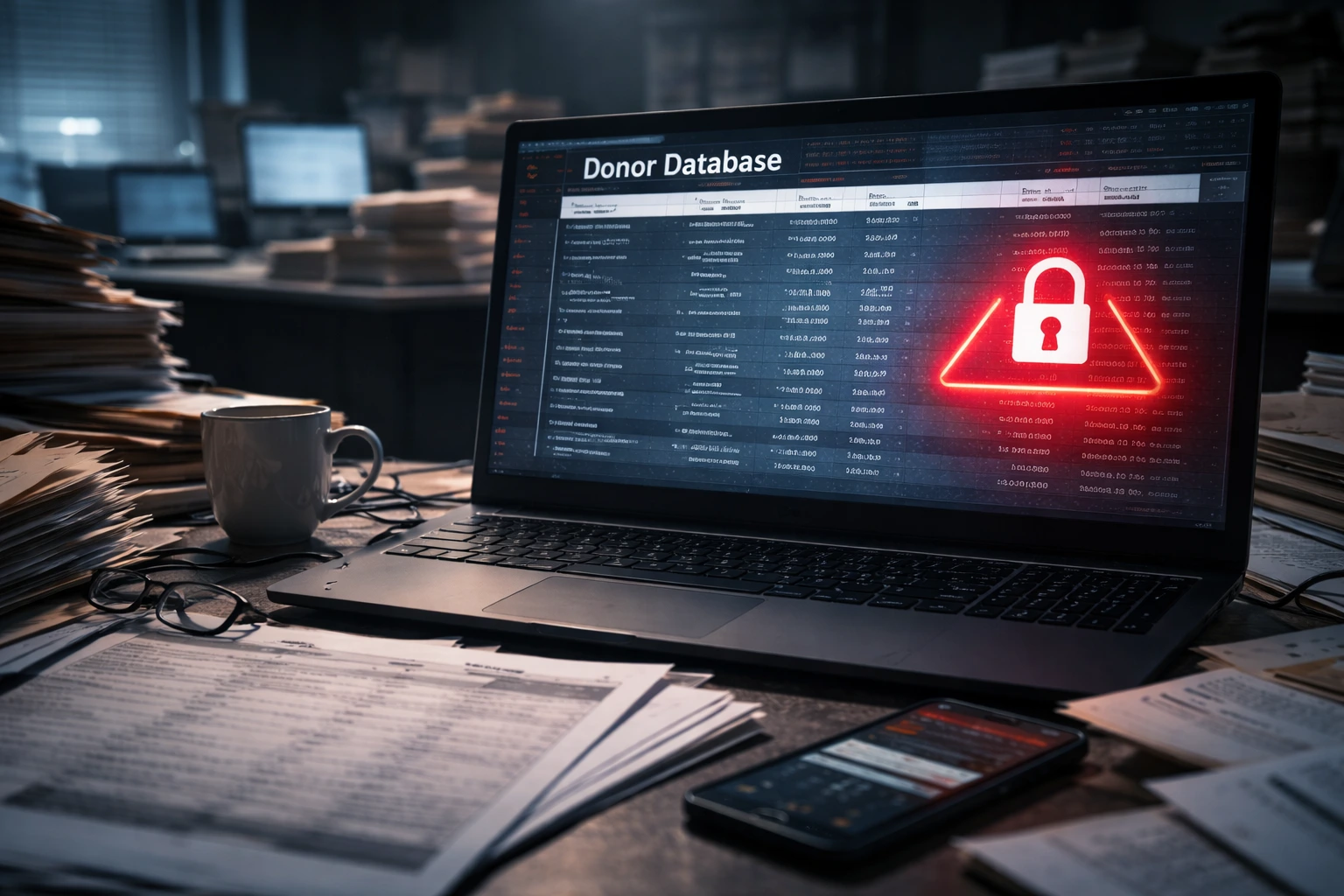
The Free Speech Union hack has sparked serious concerns over donor privacy after attackers breached the organisation’s website and exposed sensitive supporter information. The incident resulted in personal and financial data being published online, linking individuals directly to their donations and political affiliations. The breach highlights the growing risks faced by advocacy groups that store donor data without robust security safeguards.
Beyond the immediate technical failure, the incident raises broader questions about digital safety, accountability, and the consequences of exposing private individuals through cyber intrusions. For donors, the exposure represents a loss of anonymity that many expected when supporting the organisation.
How the Breach Occurred
Attackers gained unauthorised access to the Free Speech Union’s online systems by exploiting weaknesses in the organisation’s website infrastructure. While technical specifics remain limited, the intrusion allowed access to internal databases containing donor records. Once inside, the attackers extracted data rather than attempting to disrupt services or deface the site.
The breach demonstrates how even basic vulnerabilities can lead to significant data exposure when personal information is stored without adequate protection. In this case, the attackers focused specifically on donor information, suggesting a targeted objective rather than random compromise.
What Information Was Exposed
The leaked data included donor names and detailed records connected to financial contributions. In many cases, donation amounts and timestamps were visible, making it possible to identify how much individuals gave and when. This level of detail allowed direct association between donors and their support for the organisation.
Although no payment card details were publicly confirmed as exposed, the released information was still highly sensitive. Linking identities to political or advocacy funding can expose individuals to harassment, reputational harm, or targeted abuse.
Motivation Behind the Attack
The group claiming responsibility described the breach as an ideological act rather than a financially motivated cybercrime. Public statements framed the exposure as a way to reveal who financially supports the organisation and to apply public pressure through transparency.
This justification reflects a growing trend where hacking intersects with activism. Regardless of intent, publishing private donor information without consent carries serious ethical and legal implications, particularly when individuals did not anticipate public disclosure of their support.
Organisational Response
Following the breach, the Free Speech Union took its website offline to limit further access and assess the damage. Internal reviews were launched to understand how the attackers gained entry and what data was affected. The organisation also stated that it had identified the suspected individual involved and was considering legal action.
Operational disruption followed as administrators focused on securing systems and restoring services. Communication with members was impacted, and trust among supporters became a central concern as the fallout from the exposure unfolded.
Broader Privacy Concerns
The Free Speech Union hack highlights the risks organisations face when handling donor data without sufficient security controls. Advocacy groups often rely on digital platforms to manage memberships and fundraising, making them attractive targets for ideologically motivated attackers.
For donors, the incident underscores the importance of understanding how organisations store and protect personal information. Exposure of donor identities can have chilling effects on political participation and free association, especially when individuals fear retaliation or public scrutiny.
Conclusion
The Free Speech Union hack demonstrates how cybersecurity failures can quickly turn into large-scale privacy violations. By exposing donor information, the breach placed individuals at risk and undermined trust in the organisation’s ability to protect sensitive data. As advocacy groups continue to operate online, strong security practices and responsible data handling are essential to safeguard supporters and preserve confidence in digital engagement.
0 responses to “Free Speech Union hack exposes UK donor information”