


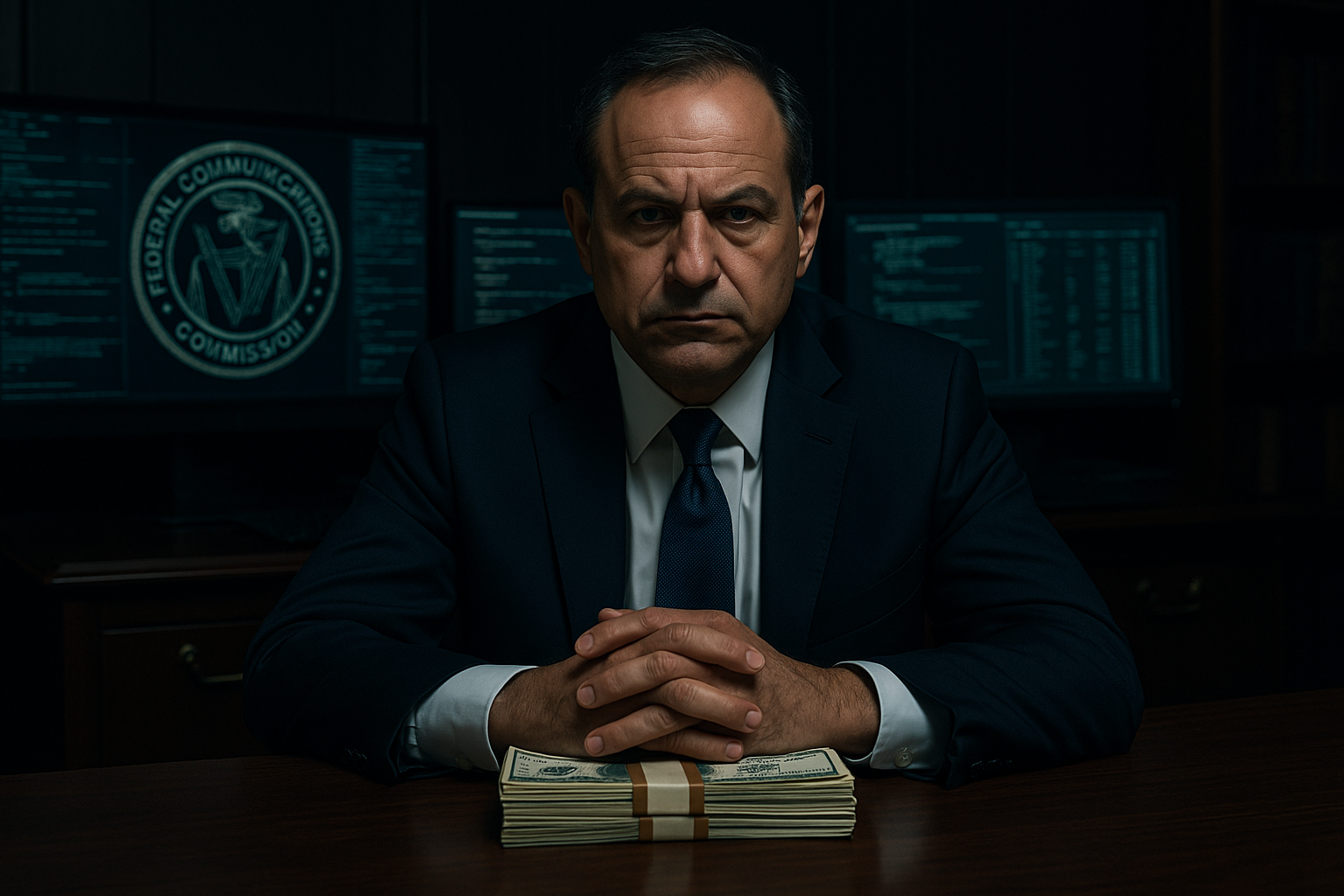
The largest FCC fraud case in history has ended with prison time for the former CEO of Q Link Wireless. Issa Asad was sentenced to five years in prison for stealing over $110 million from government programs meant to help low-income families and businesses.
How the Scheme Worked
Between 2012 and 2021, Q Link Wireless falsely claimed millions from Lifeline, a Federal Communications Commission program created to provide discounted phone and internet services to low-income households.
Asad and his company made fake reimbursement claims, submitted falsified user activity, and misled the FCC to keep receiving Lifeline funds. Even when customers weren’t using their phones, Q Link continued billing the government.
They also deployed automated robocalls to trick users into staying enrolled. One such message falsely warned:
“Your Medicaid, Food Stamp, and Lifeline benefits are about to get cancelled.”
Another call urged users to keep using broken devices at least once every 30 days—just to maintain fake activity on the books.
Massive Penalties and Restitution
Asad and Q Link agreed to pay $109.6 million in restitution, with total penalties exceeding $128 million. The Department of Justice called it the largest criminal case ever involving the FCC.
The scheme didn’t stop at Lifeline. Asad also laundered money through a separate COVID-19 relief fraud, which targeted federal funds meant to support individuals and businesses during the pandemic.
In one part of the investigation, Asad admitted to sending over $50 million in stolen funds to family-controlled accounts in Jordan.
Manipulating the System
To keep the scam going, Q Link faked user activity and created false records when the FCC began investigating. The company never corrected its billing or refunded payments for inactive users.
They also used coercive marketing tactics to trap customers in the program. According to the DOJ, this blocked the FCC from helping families who truly needed assistance.
What Is Lifeline?
Lifeline is funded through telecom fees, not direct taxpayer money. Managed by the FCC’s Universal Service Fund, it helps eligible consumers access affordable phone and internet services.
The goal is to keep families connected to jobs, schools, and emergency services. But in this FCC fraud case, those funds were siphoned into private accounts.
Q Link Wireless is now defunct. Its customers have since been transferred to StandUp Wireless.
Conclusion
The FCC fraud case involving Q Link Wireless shows how easy it can be to exploit systems meant to help the vulnerable. With over $110 million stolen and only partial recovery, the case raises serious concerns about oversight in federal aid programs—and the urgent need for reform.
0 responses to “FCC Fraud Case Sees Telecom CEO Jailed Over $110M Theft”