


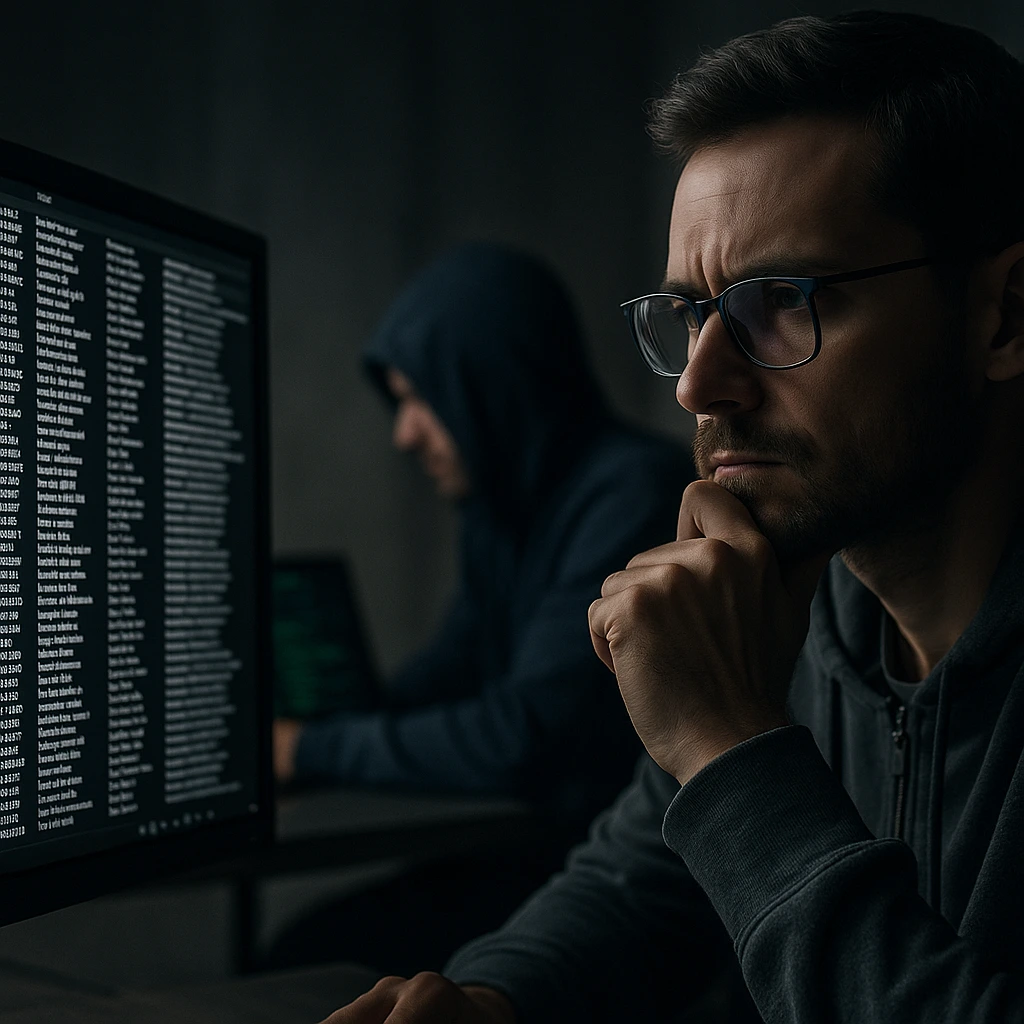
The growing trade in personal data has turned into a global privacy threat. Data brokers doxing consumers has become a modern form of exposure, where private information is sold without consent. According to DeleteMe CEO Rob Shavell, these companies collect and distribute data so freely that their actions closely resemble doxing. This article explores how data brokers operate, the dangers they create, and how users can protect themselves from large-scale privacy violations.
What Are Data Brokers?
Data brokers are companies that gather personal information from online sources and public records. They sell these details to marketing firms, political campaigns, and even unknown buyers. Their operations rarely involve user consent or transparency. Shavell notes that some foreign groups have even purchased voter-targeting data from U.S. brokers, raising major ethical and national security concerns.
Why the Practice Is Still Legal
Despite public outrage, the data broker industry remains largely unregulated. In the United States, most privacy laws are outdated or nonexistent. As Shavell explains, few legal protections stop brokers from harvesting and selling data. This lack of oversight allows the market to grow while consumers remain unaware of how their personal information circulates.
What Kind of Data They Collect
Data brokers now track more than 700 types of personal data per person. This includes names, addresses, phone numbers, birth dates, political preferences, and even cryptocurrency wallets. Each dataset helps criminals or malicious actors target individuals more effectively. The result is an enormous digital profile that can be used for identity theft, stalking, or phishing attacks.
How Data Brokers Enable Doxing
Doxing involves publishing someone’s private information to harass, expose, or exploit them. Data brokers effectively perform the same act—just at scale and for profit. They advertise personal details to anyone willing to pay, turning data privacy into a commodity. What was once a personal risk is now a systemized, commercialized process that impacts millions.
Consequences and Growing Risks
The sale of personal data allows hackers and scammers to act with precision. They can purchase full identity kits to impersonate victims or craft convincing fraud attempts. Shavell warns that almost no penalties exist for data brokers who misuse or leak information. This lack of accountability fuels a cycle where privacy violations continue unchecked.
How to Protect Yourself
- Avoid downloading or sharing data from unfamiliar sites.
- Check privacy settings on social media and limit what’s visible to the public.
- Use removal services like DeleteMe to delete your data from broker databases.
- Monitor your credit report and watch for suspicious activity.
- Keep software updated and avoid oversharing personal details online.
Conclusion
The issue of data brokers doxing consumers highlights the urgent need for stronger privacy protection. These companies operate in the shadows, profiting from the public’s digital footprints. Until stricter laws are enforced, individuals must take control of their online exposure. Limiting what data you share and regularly checking where your information appears are essential steps to safeguard your identity in today’s data-driven world.
0 responses to “Data Brokers Doxing Consumers: Hidden Industry Exposed”