


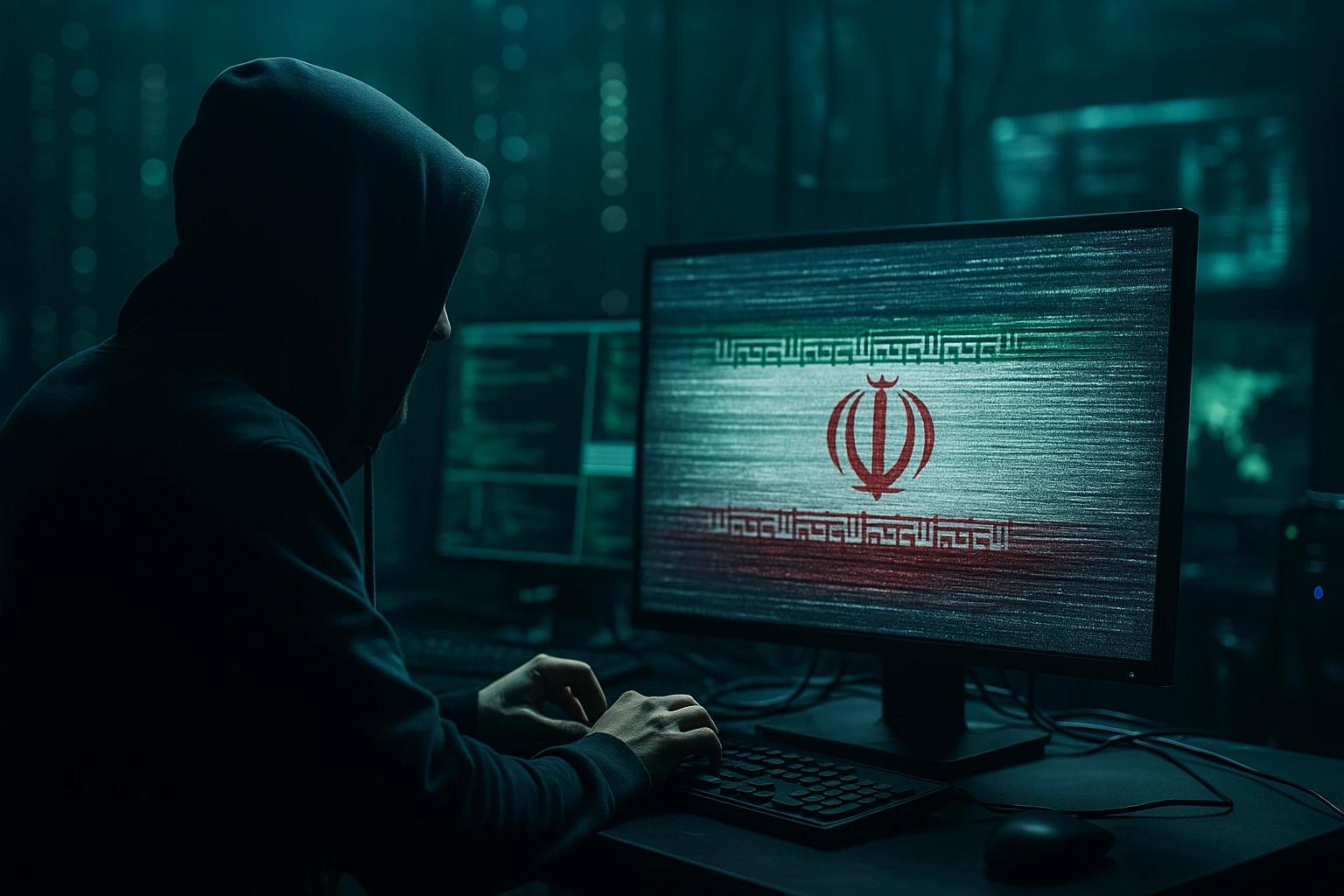
In recent years, the digital world has become a key battleground in global conflicts, with cyber warfare emerging as a powerful weapon for both state and non-state actors. The cyber assault on Iranian State TV highlights this trend, revealing the vulnerabilities in digital infrastructure and its growing role in modern warfare. This incident marks a shift from traditional military actions to stealthy cyber operations that manipulate information and disrupt communication. As governments rely more on digital platforms, the attack underscores the rising stakes of cyber warfare and the urgent need to rethink national security strategies, improve infrastructure resilience, and strengthen preparedness for future threats.
Understanding Cyber Warfare: The Impact of the Iranian State TV Hack
In recent years, warfare has changed dramatically, with cyber warfare becoming a powerful tool in modern conflict. This shift was clearly demonstrated by the recent cyber attack on Iranian state television. The incident shows how digital attacks are becoming more impactful and sophisticated. Understanding these events is key to grasping how cyber warfare can threaten national stability.
The hack on Iranian state TV marks a serious escalation in cyber tactics. Unlike traditional warfare, which uses physical force, cyber attacks target weak spots in digital infrastructure. These systems are often not strong enough to resist complex intrusions. In this case, hackers infiltrated the broadcaster’s systems, disrupting operations and exposing flaws. The breach highlights the urgent need to strengthen security frameworks, improve policies, and enhance preparedness in both government and media institutions.
The Role of Cybersecurity in National Defense: Lessons from the Iranian TV Breach
In today’s global security landscape, the cyber assault on Iranian state television highlights the weaknesses in modern defense systems. As countries grow more dependent on digital infrastructure, cybersecurity has become essential. This incident stresses the urgent need for stronger defenses and offers valuable lessons for national security.
Hackers disrupted broadcasts and aired anti-government messages, showing how cyberattacks can shake national stability. These are not just technical issues—they carry serious political and social consequences. By hijacking a widely viewed platform, attackers can shape public opinion and undermine political systems without any physical force.
Analyzing the Methods: How Hackers Targeted Iranian State Television
In recent years, cyber warfare has become a key element of global conflict. Both state and non-state actors now use digital tools to pursue strategic goals. The cyber assault on Iranian state television illustrates this new form of warfare, showcasing how hackers can target and disrupt vital national infrastructure. This event highlights the growing need for strong cybersecurity to protect national sovereignty and public trust.
The attack was highly coordinated and showed the hackers’ deep understanding of both technology and politics. They began with phishing emails, carefully crafted to appear legitimate and relevant to staff. This tricked employees into granting access, allowing the attackers to slip past internal defenses and take control of the broadcast system.
Global Implications: The Iranian State TV Cyber Assault and International Relations
The recent cyber assault on Iranian state television exposed serious weaknesses in national infrastructure. Hackers interrupted a live broadcast to show anti-government messages, underscoring how cyber warfare is now a tool for political disruption. These kinds of attacks can impact not just one nation but international relations and global security as well.
In today’s digital world, cyber warfare has become a key part of global power dynamics. Nations use cyber tools to push strategic agendas and influence rivals. The Iranian TV hack shows how non-state actors—possibly backed by foreign governments—can exploit vulnerabilities to stir dissent, pressure regimes, and shape geopolitical events without physical conflict.
Conclusion
The cyber assault on Iranian State TV signals a shift in modern warfare. It shows how digital tools are now used for political and strategic gains. This attack exposes the weaknesses of national infrastructure and reflects how both state and non-state actors can disrupt systems, spread misinformation, and stir unrest. As countries grow more connected and reliant on technology, strong cybersecurity and global cooperation are vital. This event marks a new era where cyber tools are central to national defense and global power struggles.
0 responses to “Cyber Assault on Iranian State TV: A New Age of Warfare”