


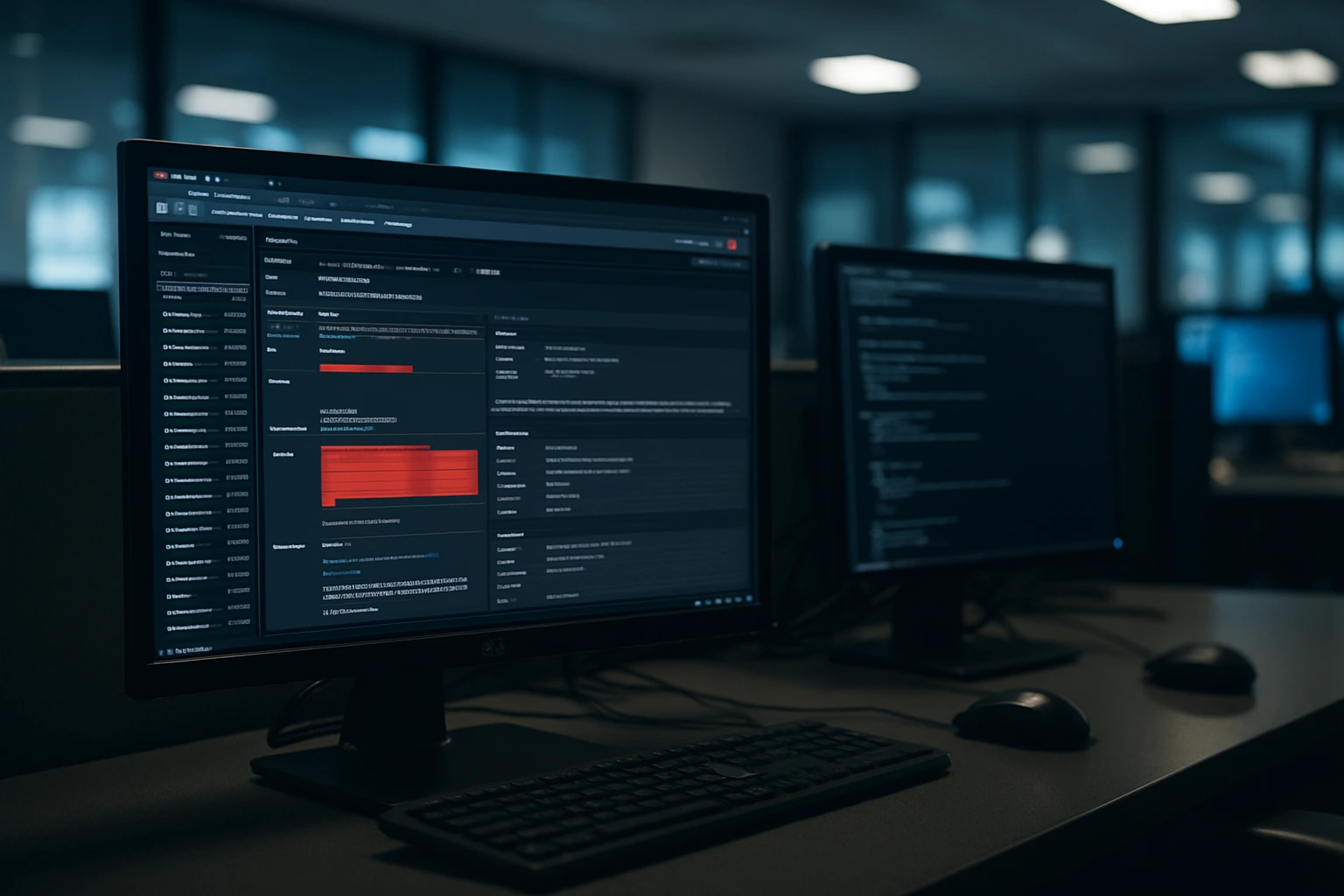
The recent CrowdStrike insider leak shows how internal misuse of access can create serious risk even without a breach. CrowdStrike confirmed that one employee shared internal screenshots with external actors, but customer systems stayed secure.
How the incident unfolded
CrowdStrike identified that an employee captured and shared internal screenshots without authorization. The images later appeared in a hacker channel linked to actors who claimed they paid the insider for access.
The firm reports that its systems were never breached. No customer environments were touched, and no operational effects were observed. CrowdStrike removed the employee’s access immediately and contacted law enforcement.
Investigators linked the screenshots to a group known for access-broker activity and social engineering attacks. Although the group claimed the insider offered authentication materials, CrowdStrike says its systems remained protected.
Who the hackers are
The actors involved have a track record of manipulating employees for access. Their activity focuses on:
- purchasing internal credentials
- exploiting social engineering opportunities
- leaking internal materials for financial gain
- targeting large companies with rapid monetization schemes
They often rely on legitimate access rather than technical exploits, which makes insider cooperation particularly valuable to them.
Security implications for organizations
The CrowdStrike insider leak emphasizes the silent risk insiders pose. External attacks dominate discussions, yet internal misuse remains challenging to catch.
Employees with legitimate permissions can bypass many traditional defenses. Even a single screenshot can reveal infrastructure maps, tool settings or workflow information. These details can help attackers develop new approaches or plan future intrusions.
Organizations need continuous monitoring, clear access policies and strong auditing practices to respond quickly when risky behavior occurs.
Recommended defensive measures
To reduce insider-related exposure, organizations should:
- enforce least-privilege access
- monitor abnormal file interactions or screenshot behavior
- strengthen authentication with multi-factor verification
- implement rapid procedures for access termination
- train employees to recognize social engineering attempts
- restrict the use of unauthorized sharing tools
- review audit logs regularly for anomalies
These actions help limit damage when employees misuse their privileges.
Conclusion
The CrowdStrike insider leak demonstrates how an internal action can create risk even when core systems stay unharmed. CrowdStrike avoided a breach, but the exposure highlights the importance of monitoring and managing insider activity. Companies must maintain strong controls, continuous oversight and clear policies to protect their infrastructure from internal and external threats.
0 responses to “CrowdStrike insider leak exposes internal screenshots”