


A Cacti zero-day can let someone run commands on a network monitoring server without signing in if the server allows guest access. A security researcher published a working demonstration on November 26. As of November 27, no patch was available, and no attacks involving the flaw had come to light.
The researcher, who goes by ek0ms savi0r, tested the exploit on Cacti Core 1.2.31 and said they had not notified the project before publishing their findings. The release included a technical report and a video showing the result. Whether earlier versions share the flaw remains unclear.
Server permissions determine the reach of the flaw
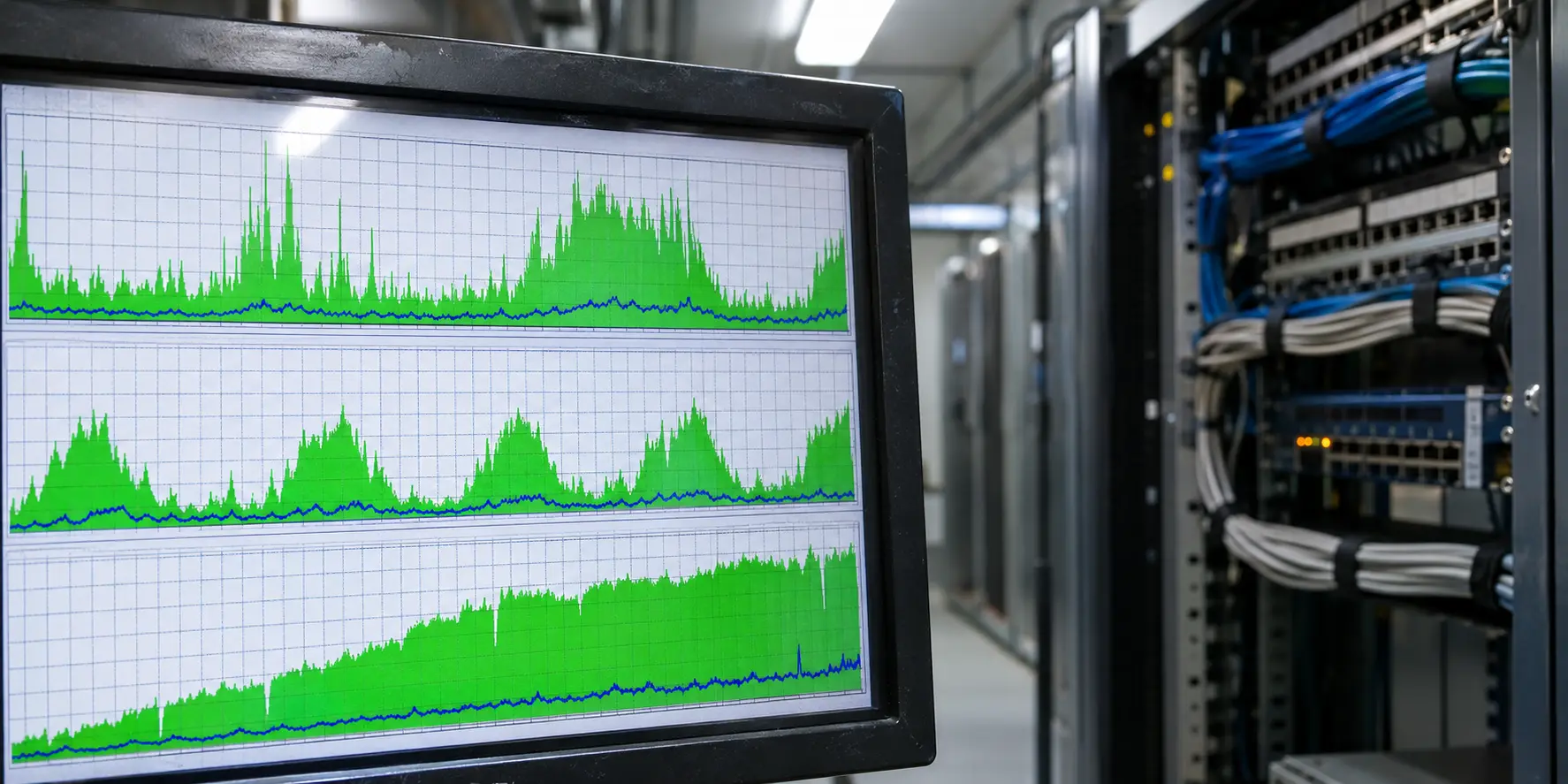
Cacti helps network teams track the performance of routers, switches, firewalls and servers. It collects readings from those devices and displays them as graphs. Although guests have limited access to the application, a flaw in how Cacti handles their graph preferences can allow them to run commands on the underlying server.
The researcher gained root access during the demonstration. On another installation, the outcome depends on the permissions that administrators grant to the web server and the process that collects network readings, known as the poller. Some deployments run these services under a restricted account, which limits what an attacker can do on the host.
Even a restricted account can pose a risk if it can read credentials. Cacti can store passwords and SNMP passphrases that it uses to collect information from monitored devices. Depending on the permissions those credentials carry, someone who compromises the monitoring server could also gain access to other systems.
What administrators can check before a patch arrives
The immediate question for administrators is whether their installation allows guest access. Disabling the Cacti guest account blocks the route shown in the demonstration. Administrators can also limit access to the web interface to trusted networks while they await a fix for the Cacti zero-day.
For teams reviewing an existing installation, two checks can help identify suspicious activity. Administrators can look for unexpected commands in the poller configuration and check application logs for warnings about nonnumeric values in graph display settings. Those entries warrant investigation, although a warning alone does not establish that someone ran commands on the server.
0 responses to “Cacti zero-day exposes servers with guest access”