


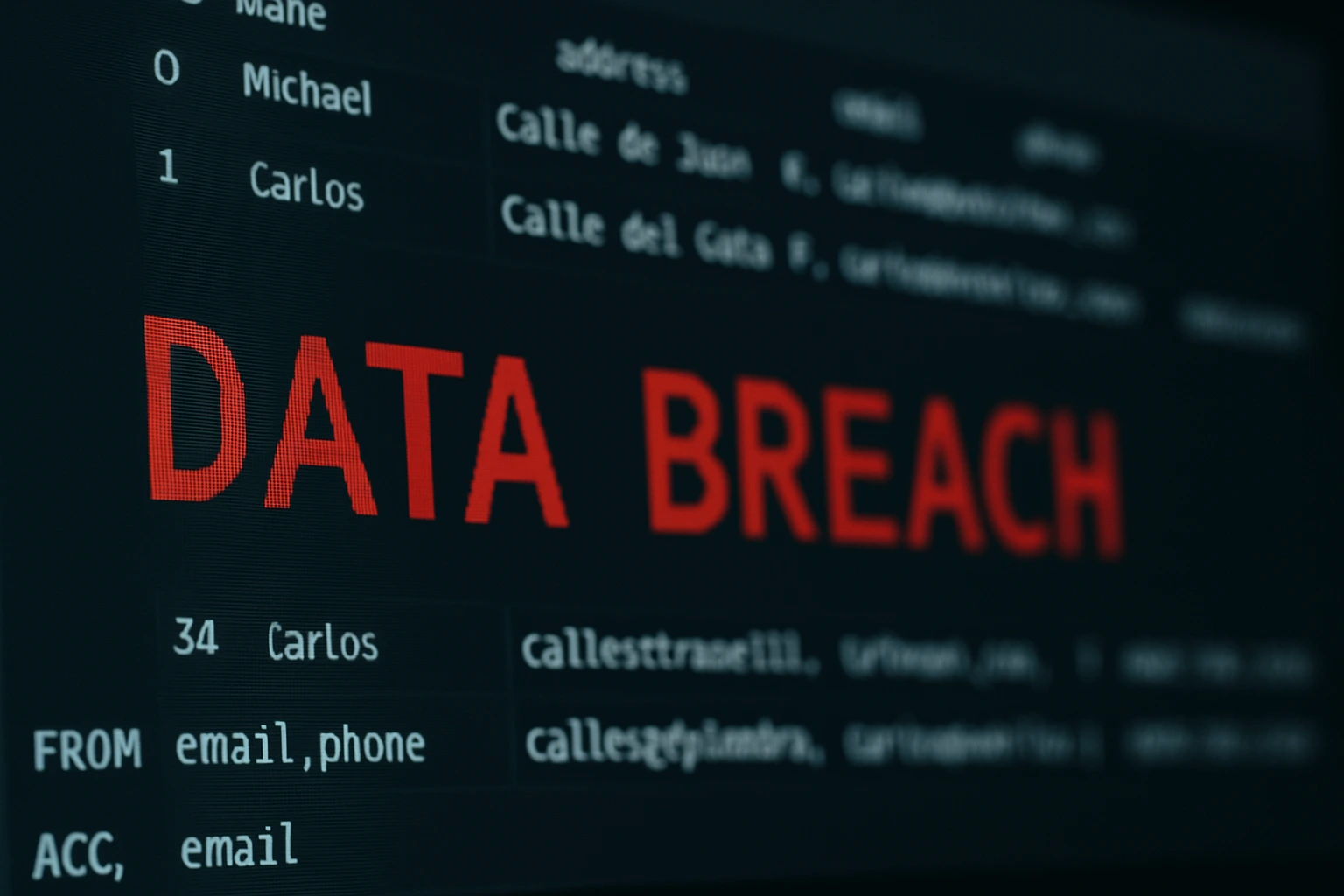
The Cabify driver data breach has raised major concerns after a threat actor claimed to possess a large dataset containing sensitive driver information. The data appears to include names, addresses, phone numbers and linked social accounts. The scale of the potential exposure creates new risks for both drivers and the organisation.
What the attacker claims
The threat actor shared a dataset that reportedly contains detailed records belonging to more than four hundred thousand drivers. Early descriptions suggest the data reflects full onboarding profiles rather than limited account details. The inclusion of identity fields such as full names, contact numbers and residential information increases the severity of the breach.
The dataset also appears to include identifiers linked to external accounts used for authentication. These elements give attackers more material for impersonation attempts. Even without financial information, identity-rich leaks often lead to long-term fraud and targeted harassment.
Why the breach matters
A dataset of this size and detail can be used to conduct social-engineering campaigns. Attackers can impersonate support staff, pressure drivers to share additional information or attempt to reset linked accounts. Exposure of phone numbers and addresses increases the risk of targeted scams.
Ride-hailing ecosystems rely heavily on identity verification. Compromised driver records may enable the creation of fraudulent accounts. Organisations then face operational disruption, regulatory concerns and reputation damage.
How drivers can reduce risk
Drivers affected by the Cabify driver data breach can take several steps to protect themselves.
- Enable multifactor authentication on social-media and email accounts.
- Ignore unexpected calls or messages that request sensitive information.
- Monitor account activity for unusual changes.
- Review financial statements for unfamiliar transactions.
- Reduce unnecessary personal information on social platforms.
How the organisation should respond
The platform must treat the Cabify driver data breach as a priority incident.
- Review identity-verification systems to prevent the creation of fraudulent driver accounts.
- Strengthen monitoring for unusual login patterns or sudden account-creation spikes.
- Communicate clearly with drivers and provide actionable guidance.
- Audit where identity data is stored and limit access to essential systems only.
- Update incident-response procedures to address identity-focused attacks.
Conclusion
The Cabify driver data breach highlights the growing value of driver identity data to threat actors. More than 430,000 records may be exposed, increasing the risk of impersonation, fraud and targeted attacks. Both drivers and organisations must act quickly. Strong authentication, transparent communication and improved monitoring will help limit long-term impact. Early action remains essential as attackers continue to exploit identity-rich leaks.
0 responses to “Cabify driver data breach exposes sensitive information”