


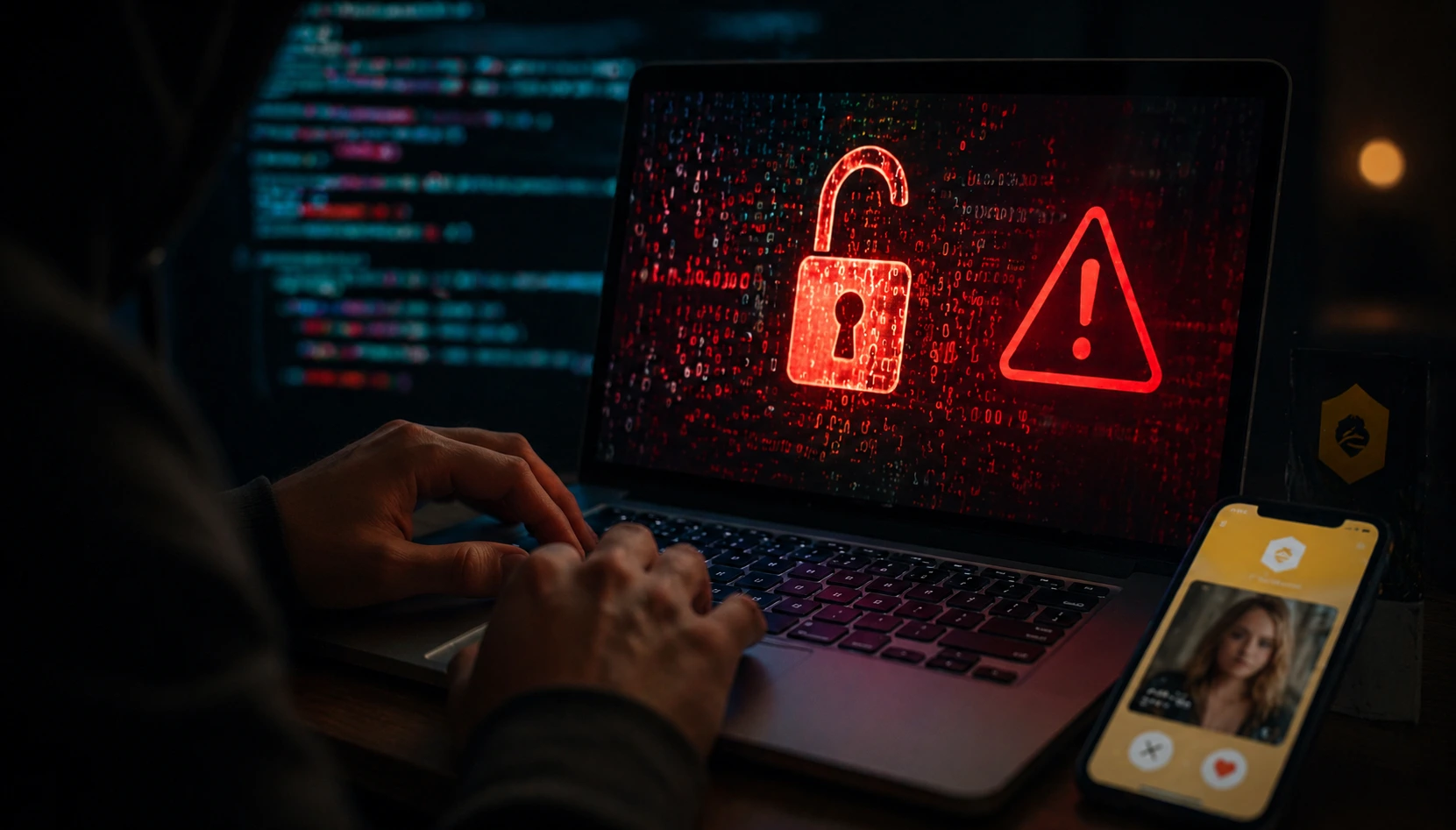
The Bumble data leak claims circulating on cybercrime forums have triggered fresh concerns about dating app security and user privacy. A threat actor recently claimed to possess data linked to roughly 32 million Bumble accounts. The alleged dataset reportedly appeared on an underground forum known for trading stolen information.
Researchers are still examining the authenticity of the claims. However, the incident has already raised questions about how cybercriminals continue targeting platforms that store large amounts of personal data.
If the exposed records prove genuine, affected users could face increased risks involving phishing attacks, account takeovers, and identity-related scams.
Cybercriminal Claims Massive Bumble Database Exposure
According to researchers monitoring cybercrime forums, a hacker recently advertised a dataset allegedly connected to Bumble users. The threat actor claimed the database contains millions of records tied to accounts on the dating platform.
The leaked information reportedly includes email addresses, usernames, profile details, locations, and other account-related data. Some reports also suggest the dataset may contain password hashes.
At this stage, cybersecurity researchers have not fully verified the scale or authenticity of the leak. Threat actors frequently exaggerate claims online to attract buyers or media attention.
Still, even partially authentic data could create serious privacy concerns for Bumble users.
Dating apps often store highly personal information, making these platforms attractive targets for cybercriminals.
Stolen Data Could Fuel Phishing Campaigns
Security analysts warn that exposed dating app data can become valuable for phishing operations and social engineering attacks. Criminals may use personal details from leaked profiles to craft convincing scam messages.
Attackers frequently target victims using fake login alerts, password reset requests, or impersonation attempts. If users reuse passwords across multiple services, hackers may also attempt credential stuffing attacks against banking, email, or social media accounts.
Location information and profile details can create additional privacy risks. In some cases, exposed data may reveal sensitive personal habits, relationship preferences, or travel patterns.
Cybercriminals increasingly combine leaked datasets from multiple breaches to build more detailed victim profiles.
This trend allows attackers to create more targeted scams with higher success rates.
Dating Platforms Remain High-Value Targets
Dating apps continue attracting attention from threat actors because they collect large volumes of sensitive user information. Unlike many standard social media platforms, dating services often store private conversations, photos, location history, and identity-related details.
The combination of emotional vulnerability and personal data creates strong opportunities for fraud and blackmail campaigns.
Over the past several years, multiple dating platforms have faced security incidents involving exposed records, unauthorized access, or leaked databases.
Cybersecurity experts warn that attackers often target platforms with large international user bases because the stolen data carries strong resale value on underground forums.
Even when companies quickly respond to incidents, leaked information can continue circulating online for years.
Users Should Monitor Accounts Carefully
Although Bumble has not confirmed a verified breach involving 32 million users, security professionals recommend that users remain cautious while investigations continue.
Experts advise users to:
- Change passwords linked to dating accounts
- Avoid reusing passwords across multiple services
- Enable multi-factor authentication where possible
- Watch for suspicious emails or login alerts
- Remain cautious of unexpected messages requesting personal information
Users should also monitor accounts connected to the same email address used for dating services.
Even unverified leak claims can still involve partial datasets gathered from older breaches or third-party sources.
Conclusion
The Bumble data leak claims highlight the ongoing security challenges facing dating platforms and their users. While researchers continue verifying the authenticity of the alleged dataset, the incident has already raised serious concerns about privacy and cybercrime risks.
If the records prove genuine, millions of users could face phishing attempts, account compromise, and other security threats. The situation also serves as another reminder that personal information shared online can quickly become a target for cybercriminals.
0 responses to “Bumble Data Leak Claims Put Millions of User Accounts at Risk”