


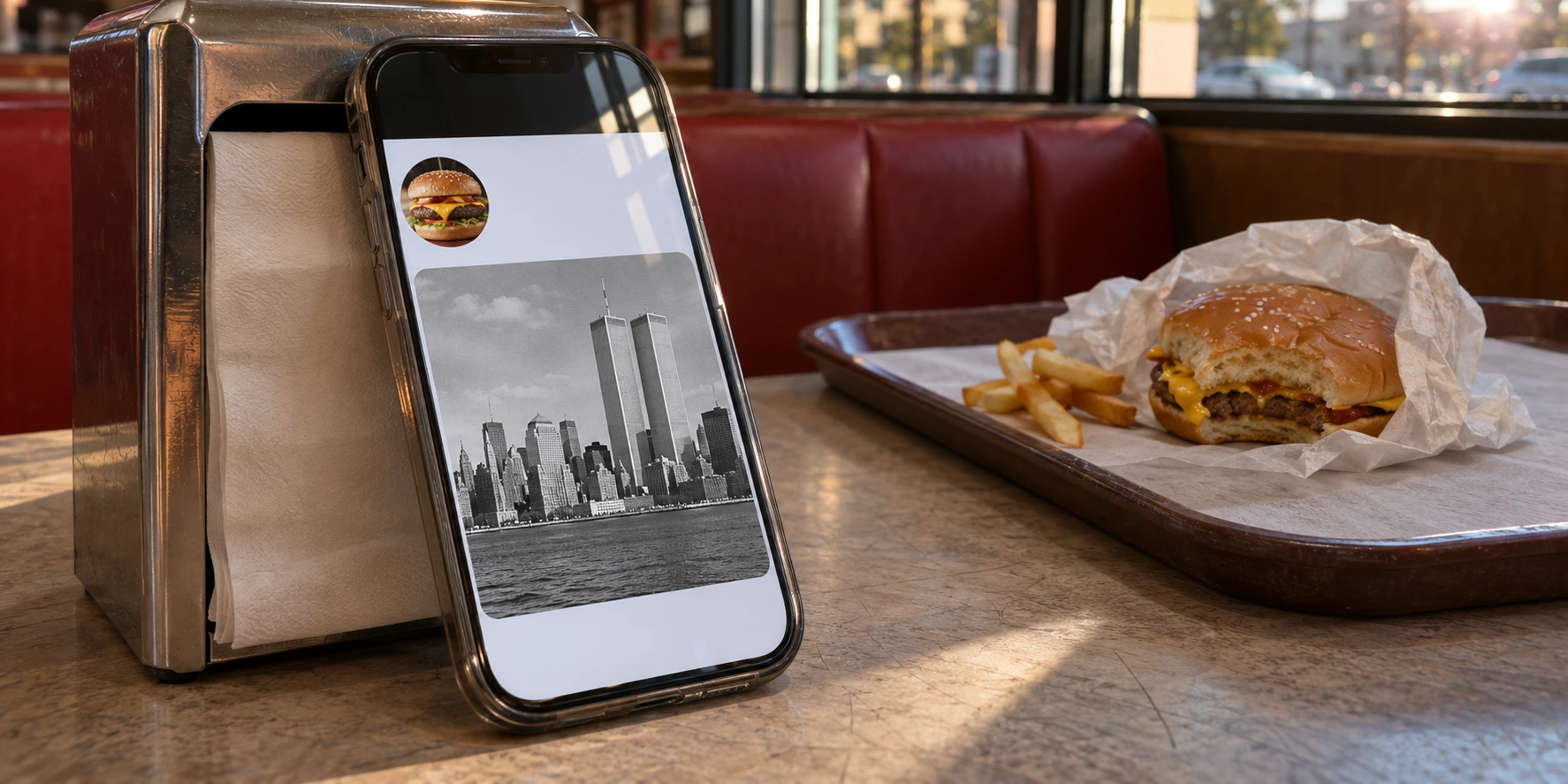
Bitly redirects sent readers of old McDonald’s and Burger King posts on X to Wikipedia pages about the September 11 attacks and Nazi concentration camps. The companies had written the posts more than a decade ago, when the links led readers to content about their businesses.
Bitly said people had taken control of expired short links and changed where they led. The original captions still appeared under the accounts that published them. That gave the hoax its effect. A reader could see a familiar brand, follow a link in its own words and reasonably assume the company had chosen the destination.
A McDonald’s post from 2011 resurfaces
On June 7, 2011, McDonald’s invited its Twitter followers to see something its team in Sweden had done. Years later, the link in that post took readers to Wikipedia’s entry on the September 11 attacks. The new destination gave an otherwise routine message about the Swedish team an offensive meaning.
Burger King’s post had a practical purpose. It offered customers a way to find a nearby restaurant. Anyone following the altered link instead landed on a Wikipedia list of Nazi concentration camps. In both cases, the misleading association came from the page at the other end of the link. The words the companies had published were still their own.
The Bitly redirects also affected an old post from President Donald Trump. Its caption referred to a clubhouse, while the shortened link took readers to a Wikipedia page about files relating to Jeffrey Epstein.
Bitly suspends accounts behind the redirects
Bitly said it had suspended the accounts responsible and was disabling the affected links. Those actions address the redirects at the shortening service, where the destinations changed. The reported incidents involved no edits to the original posts or signs that anyone had signed in to the brands’ social media accounts.
The examples that surfaced sent readers to Wikipedia, and the apparent aim was to embarrass the account owners. The same problem carries a security risk beyond the hoax. Someone following an old restaurant locator, for example, might trust an unfamiliar site because the invitation came directly from Burger King’s account.
0 responses to “Bitly redirects turn old fast-food posts into hoaxes”